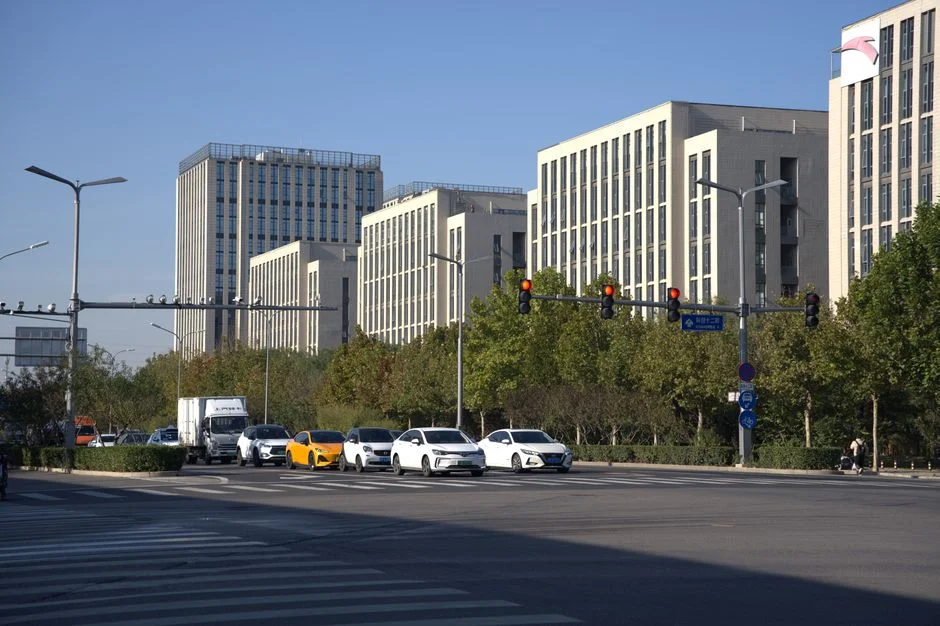
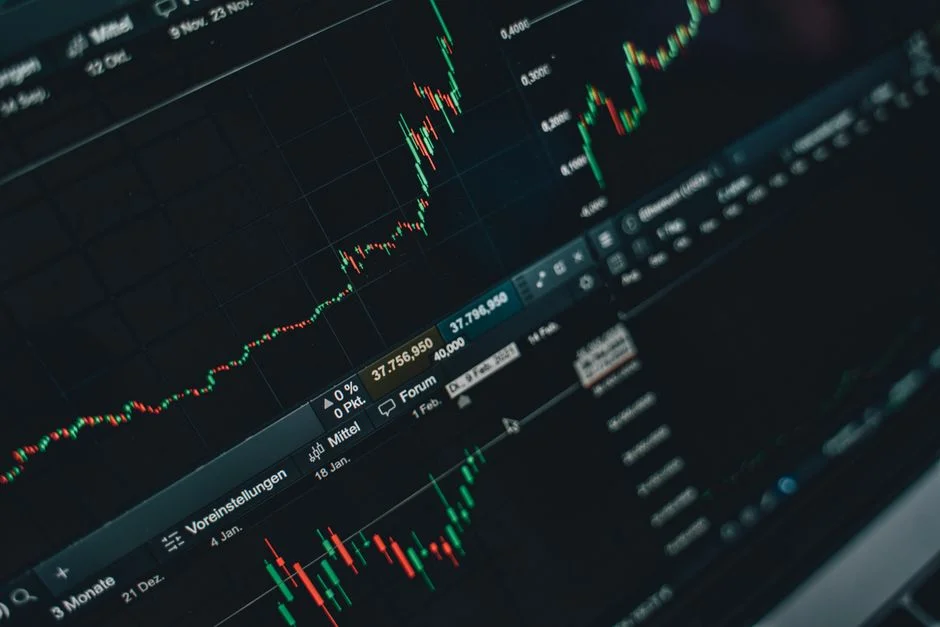
European leaders are moving towards imposing tariffs on Chinese imports, signalling an escalation in trade tensions that could lead to a potential trade war. This decision comes following a rise in complaints from European businesses regarding unfair competition and market access restrictions imposed by China.
Escalating Tensions Over Trade Practices
The European Union (EU) has been vocal about its concerns regarding Chinese trade practices, including state subsidies that favour domestic companies over foreign competitors. In a recent statement, European Trade Commissioner Valdis Dombrovskis highlighted that the EU is prepared to implement new tariffs as early as next month if China fails to address these issues adequately.
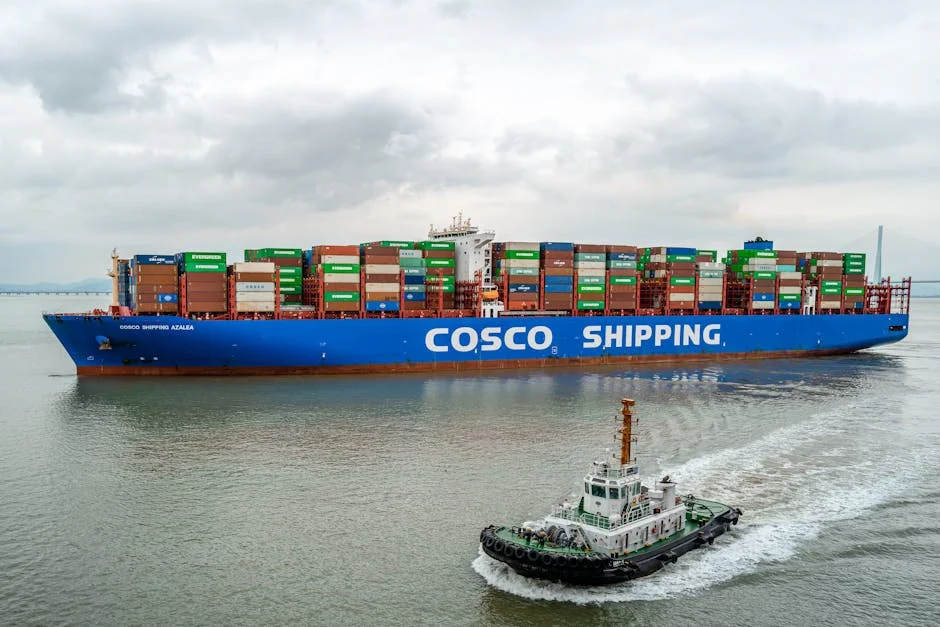
Germany, being the EU's largest economy, is at the forefront of these discussions. The German Ministry of Economy confirmed plans to propose measures that could affect imports worth approximately €7.5 billion. This figure underscores the seriousness of the situation for European manufacturers and investors alike.
Impact on Markets and Investors

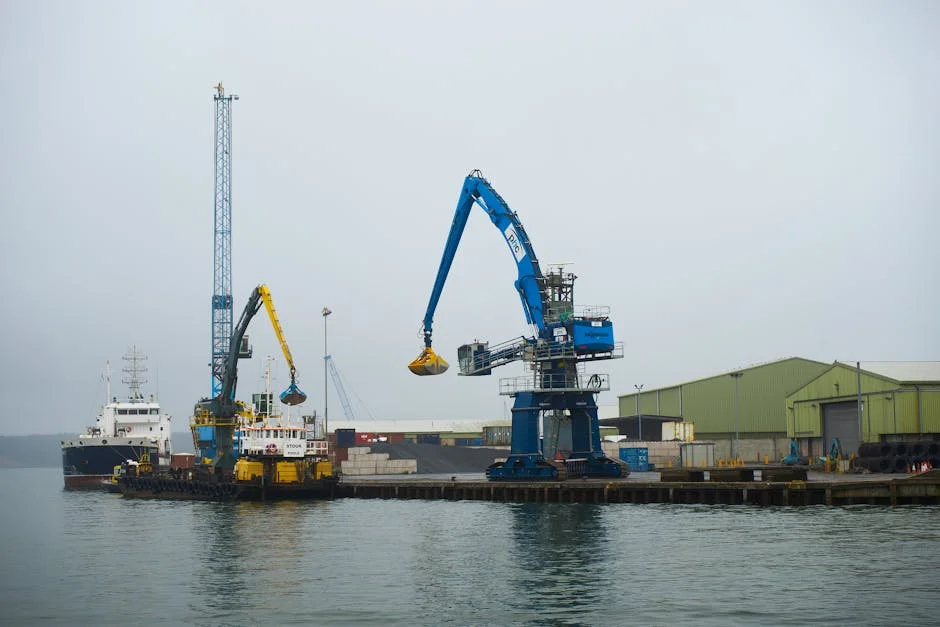
The anticipated tariffs are causing ripples in global markets, with investors now wary of the implications for multinational companies operating in both Europe and China. Shares in European automotive and technology firms have seen a slight decline, reflecting investor concerns about potential retaliation from Beijing.
Economists predict that a full-blown trade war would lead to increased costs for consumers and businesses, as tariffs would likely be passed down. Moreover, the disruption in supply chains could exacerbate inflationary pressures already evident in many sectors.
Business Concerns and Reactions
European businesses have expressed alarm over the brewing conflict. A recent survey by the European Chamber of Commerce indicated that over 60% of its member companies reported difficulties in accessing the Chinese market. Many are urging the EU to find diplomatic solutions rather than escalating tensions.
Companies like Volkswagen and Siemens, which rely heavily on Chinese supply chains, are particularly concerned. In a statement, Volkswagen's CEO, Oliver Blume, warned that tariffs could hinder innovation and investment in the automotive sector.
China's Response and Countermeasures
China's government has already hinted at possible countermeasures should tariffs be implemented. In a media briefing, a spokesperson for the Ministry of Commerce stated that they would take necessary actions to protect Chinese businesses and ensure fair trade practices.
This response has raised fears among European leaders about the potential for a tit-for-tat escalation that could further strain economic relations between the two regions. Such a scenario would not only affect European investments but could also disrupt global trade systems.
The Broader Economic Implications
As Europe grapples with its approach to China, the economic implications could be severe. Analysts suggest that a trade war would impact GDP growth across the EU, with projections indicating a decline of up to 0.5% in the next fiscal year if tensions escalate into prolonged conflict.
For Singaporean investors, the ripple effects of a trade war could also be felt in Asian markets, especially for those dependent on trade with Europe and China. Monitoring the situation closely will be crucial as developments unfold.
What’s Next for European Trade Relations?
The EU is set to convene next week to discuss the proposed tariff measures further. This meeting will be critical in shaping the future of trade relations between Europe and China. Stakeholders across various industries will be keenly observing outcomes, particularly for signs of possible negotiations or concessions.
The sentiment in Europe now hinges on a fine balance between protecting local industries and maintaining strong international relations. What happens next in this unfolding trade saga will likely have broad implications for economies worldwide.
See Also
- Australia's Government Pushes Tax Change Amid Political Shifts — What Investors Need to Know
- Japan-Philippines Security Pact Triggers Shifts in South China Sea Trade Routes
What is the latest news about europe launches tariffs against china trade war looms ahead?
Why does this matter for politics-governance?
What are the key facts about europe launches tariffs against china trade war looms ahead?