The United States Trade Representative's office has formally proposed additional tariffs of up to 12.5% on imports from India and China, citing evidence of forced labour in supply chains. The announcement, which sent ripples through Asian trade corridors, marks a significant escalation in Washington's campaign to purge global commerce of goods produced under coercive conditions.
The Proposed Tariffs at a Glance
The Trump administration floated the tariffs as part of a broader review under Section 307 of the Trade Act, which bars imports made with forced labour. Officials indicated the levies could apply to a wide range of goods, though the final product scope remains under negotiation. Importers shipping from affected facilities would face duties stacking on top of existing trade measures already in place.

Industry analysts in Singapore noted the timing complicates procurement decisions for regional distributors. "Buyers are now recalculating landed costs for everything from textiles to electronics components," said one trade analyst at a logistics firm based in Jurong. The proposed 12.5% rate would represent a meaningful cost increase for price-sensitive commodity categories.
Why Forced Labour Became a Trade Flashpoint

Washington has intensified enforcement of the Uyghur Forced Labour Prevention Act since its passage in 2022, expanding the list of entities subject to import bans. The current push targets not just Xinjiang-linked goods but broader supply chains where credible evidence of coercive labour practices exists. The administration argues that cheap imports produced under such conditions create unfair competition for American manufacturers.
Trade representatives from Beijing rejected the characterisation, calling the accusations politically motivated. New Delhi has yet to issue a formal response, though Indian commerce ministry officials were expected to engage with Washington through bilateral trade channels. The two countries together accounted for roughly $1.2 trillion in goods entering the US market over the past year, according to Census Bureau data.
Indian Exporters Brace for Disruption
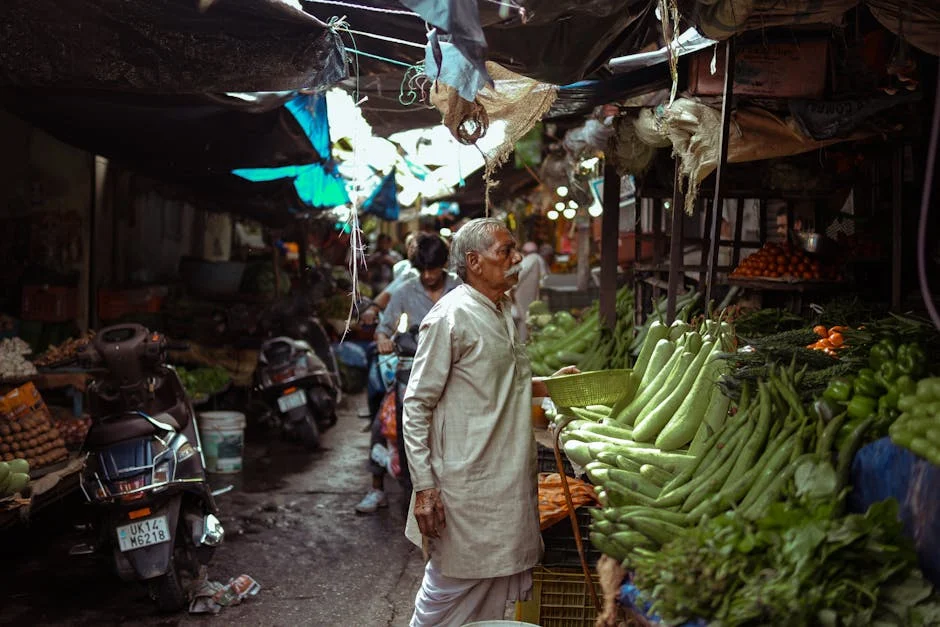
India's textiles and apparel sector faces the most immediate exposure. The country shipped approximately $7 billion in clothing and home textiles to the US last year, with a significant portion sourced from facilities that could face scrutiny. The proposed tariffs arrive as Indian manufacturers were already contending with rising cotton prices and a tighter labour market.
Factory owners in Tirupur, a major textile hub in Tamil Nadu, expressed concern about losing orders to competitors in Bangladesh and Vietnam. "Our clients are asking for certifications and supply chain audits they never requested before," said a representative from a local garment exporters association. Compliance costs could erode the price advantage Indian producers have cultivated against Chinese rivals.
The pharmaceutical sector, another key Indian export earner, faces less direct impact but watchdogs warn that active ingredient supply chains could face secondary scrutiny. Singapore's biotech firms, many of which source intermediate chemicals from Indian manufacturers, are monitoring the situation closely given their own export exposure to American regulators.
Chinese Manufacturers Reassess US Exposure
For China, the tariff announcement lands amid an already tense trade relationship. Beijing has poured resources into labour law reforms and government inspections of factory conditions, though critics argue enforcement remains inconsistent. The proposed 12.5% duties would compound the impact of existing tariffs that have reshaped Sino-American commerce over the past five years.
Manufacturers in Guangdong and Zhejiang provinces have accelerated plans to route goods through third-country intermediaries, a strategy that US customs has been working to disrupt. "The de minimis loophole is closing fast," noted a trade attorney in Hong Kong who advises mainland exporters. "Companies that built supply chains around that exemption are now scrambling."
Singapore's role as a transshipment hub means local logistics operators could face greater compliance burdens. Shipping records passing through the Port of Singapore increasingly draw scrutiny from US customs brokers, who must now verify country-of-origin claims with greater rigour.
Investor Sentiment Shifts in Asian Markets
Equity markets reacted with measured caution. Shares in Indian manufacturing conglomerates dipped on the news before recovering as investors digested the uncertainty around implementation timelines. The BSE Sensex fell 0.8% in early trading before stabilising, while Hong Kong-listed mainland export stocks showed greater volatility.
Bond markets told a subtler story. Credit spreads on Indian corporate debt widened marginally, reflecting concerns that earnings at export-focused firms could face pressure. Singapore dollar-denominated bonds issued by companies with significant US revenue exposure drew selective buying as investors sought safety in local currency instruments.
Currency markets priced in modest pressure on the Indian rupee and Chinese yuan as traders weighed the tariff impact against broader dollar dynamics. The Singapore dollar held steady, though analysts at domestic banks noted that any sustained disruption to regional trade flows would eventually show up in import-export settlement data.
What Comes Next for Businesses
The proposed tariffs are subject to a public comment period before taking effect, giving affected companies a narrow window to submit evidence and lobby for exclusions. Trade lawyers expect the administration to face intense pressure from industry groups seeking to narrow the product scope or secure exemptions for compliant suppliers.
Businesses with exposure to Indian or Chinese supply chains should begin conducting forced labour due diligence now, compliance specialists advised. Documentation requirements will likely tighten regardless of whether the tariffs ultimately take effect. US Customs and Border Protection has signalled it will increase inspections and withhold release of goods pending verification of labour conditions.
Singapore importers who deal in affected product categories should review their supplier contracts for force majeure clauses and consider diversifying sourcing in anticipation of potential disruption. The proposed timeline suggests final determinations could arrive within 90 to 120 days, leaving little room for delay.
Watch for the public comment period opening in the Federal Register within the next two weeks. That period will determine which product categories face the heaviest scrutiny and whether exemptions become available for companies that can demonstrate compliance. Businesses have a narrow but real opportunity to shape the final rules before they land.
See Also
- While Disease Treatments Surge, Prevention Lags — Market Risk Grows
- Festival da Canção Reveals Winner - How Does It Impact Portuguese Culture and Tourism?
Credit spreads on Indian corporate debt widened marginally, reflecting concerns that earnings at export-focused firms could face pressure. The Singapore dollar held steady, though analysts at domestic banks noted that any sustained disruption to regional trade flows would eventually show up in import-export settlement data.
What is the latest news about us proposes 125 tariffs on india china over forced labour concerns?
Why does this matter for culture-arts?
What are the key facts about us proposes 125 tariffs on india china over forced labour concerns?