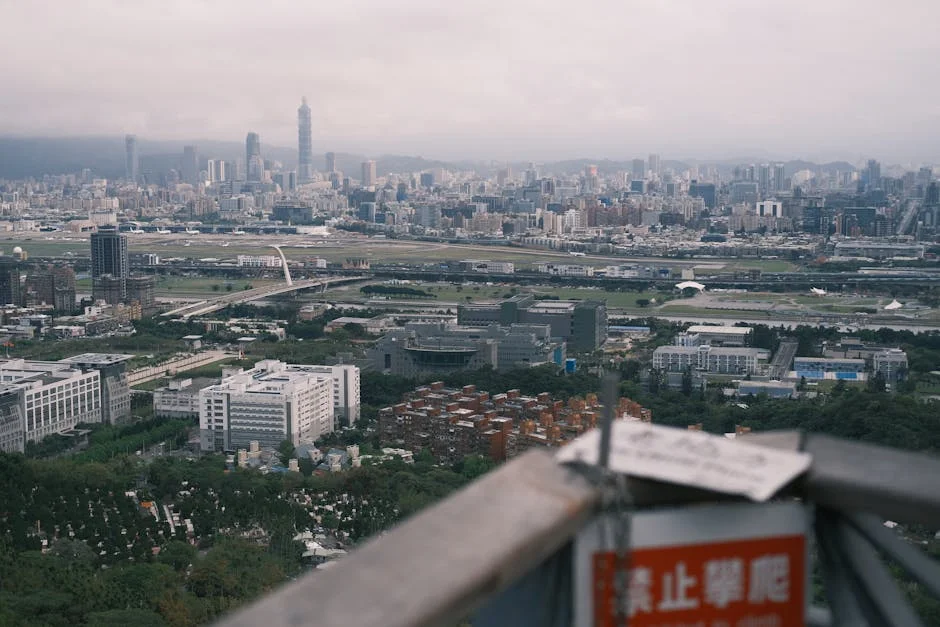
Diplomats from the United States, United Kingdom, France, and Germany have jointly urged Beijing to halt military operations off eastern Taiwan, raising fresh concerns about one of the world's most critical shipping corridors. The coordinated warning comes as Chinese naval vessels have maintained a visible presence in waters that carry roughly half of global container traffic bound for Northeast Asian ports.
Diplomatic Pressure Mounts in Singapore
Singapore-based maritime analysts were among the first to track the shift in Chinese patrol patterns, with regional defence officials confirming the increased activity began several weeks ago. The Western embassies in Taipei issued a rare joint statement through the Taipei Times, calling the operations "destabilising" and urging immediate de-escalation. Officials from the four nations held emergency consultations at the sidelines of an ASEAN security forum, where Taiwan's disputed status repeatedly surfaced in bilateral talks.
Why the Taiwan Strait Matters to Global Trade

The Taiwan Strait sits between mainland China and Taiwan, a narrow waterway that handles more than $2 trillion in annual trade. Semiconductor manufacturers, automotive suppliers, and consumer electronics companies across Asia rely on these shipping lanes to move components between factories in China, South Korea, and Japan. Any prolonged disruption would force companies to reroute vessels through longer passages, adding days to delivery schedules and inflating insurance premiums.
Semiconductor Supply Chain at Risk
Taiwan produces the vast majority of the world's most advanced computer chips. The island's semiconductor fabs depend on a constant flow of raw materials arriving by sea. If shipping companies avoid the strait due to political risk, chipmakers could face delays in production cycles that are measured in weeks, not months. Investors in semiconductor exchange-traded funds have already begun pricing in a higher risk premium, according to trading data reviewed by News Allies.
Insurance Costs Climb
Marine insurers have started adjusting war-risk premiums for vessels transiting near the reported patrol zones. Lloyd's of London syndicates issued advisory notices to shipping clients on Monday, flagging elevated tension levels. The increased cost of coverage will likely filter through to consumer prices for electronics, automotive parts, and industrial machinery within six to nine months, industry observers told Reuters.
Market Reaction and Investor Anxiety
Asian equity markets showed measurable sensitivity to the diplomatic friction. Shares in container shipping companies listed in Hong Kong and Singapore rose on speculation that longer routes could increase demand for vessel capacity. Conversely, technology stocks tied to Taiwan's chip industry dipped slightly during morning trading sessions. Currency markets reflected cautious sentiment, with the Taiwanese dollar weakening against the US dollar as institutional investors reduced exposure to the region.
What Companies Are Doing Now
Several multinational corporations with significant manufacturing footprints in Taiwan and mainland China have activated contingency protocols, though none has publicly disclosed specific plans. Logistics providers have begun diversifying routing options, exploring alternatives through the Philippine Sea and routes south of Taiwan. A senior executive at a European shipping firm, speaking on condition of anonymity, told News Allies that clients were requesting optionality in contract terms to allow rapid adjustments.
Next Steps and What to Watch
Diplomatic channels remain open, with the United States State Department indicating that back-channel communications with Beijing are ongoing. The next scheduled multilateral talks on regional security are set for next month in Bangkok. Until then, shipping operators will monitor Chinese naval communications and satellite tracking data for any expansion of patrol areas. Analysts at maritime risk consultancy Dryad Global advised companies to review insurance coverage and establish clear escalation procedures with charter partners.
Investors should watch for any changes in Chinese state media messaging, which often precedes or follows military signalling. A shift in rhetoric could indicate whether Beijing intends to sustain the patrols or scale them back under international pressure.
See Also
- England Cricket Debutants Trigger New Zealand Series Shift
- Sophie Devine Sparks New Zealand's Comeback Victory Over England — Market Implications Ahead
Currency markets reflected cautious sentiment, with the Taiwanese dollar weakening against the US dollar as institutional investors reduced exposure to the region.What Companies Are Doing NowSeveral multinational corporations with significant manufacturing footprints in Taiwan and mainland China have activated contingency protocols, though none has publicly disclosed specific plans. A senior executive at a European shipping firm, speaking on condition of anonymity, told News Allies that clients were requesting optionality in contract terms to allow rapid adjustments.Next Steps and What to WatchDiplomatic channels remain open, with the United States State Department indicating that back-channel communications with Beijing are ongoing.