In the first one-day international (ODI) of a three-match series at Edgbaston, England suffered a comprehensive defeat at the hands of India, who secured a six-wicket victory. This match saw England's dramatic collapse, losing five wickets for just 19 runs, which significantly impacted their chances in the game. India now leads the series 1-0, leaving England with much to ponder.
The Match and Its Immediate Impact
The match at Edgbaston began with England batting first, but what unfolded was a nightmare for the hosts. England's top order crumbled under India's potent bowling attack, leading to an early collapse. Losing five wickets for a mere 19 runs set the tone for a struggling innings that saw them bowled out for a modest total.
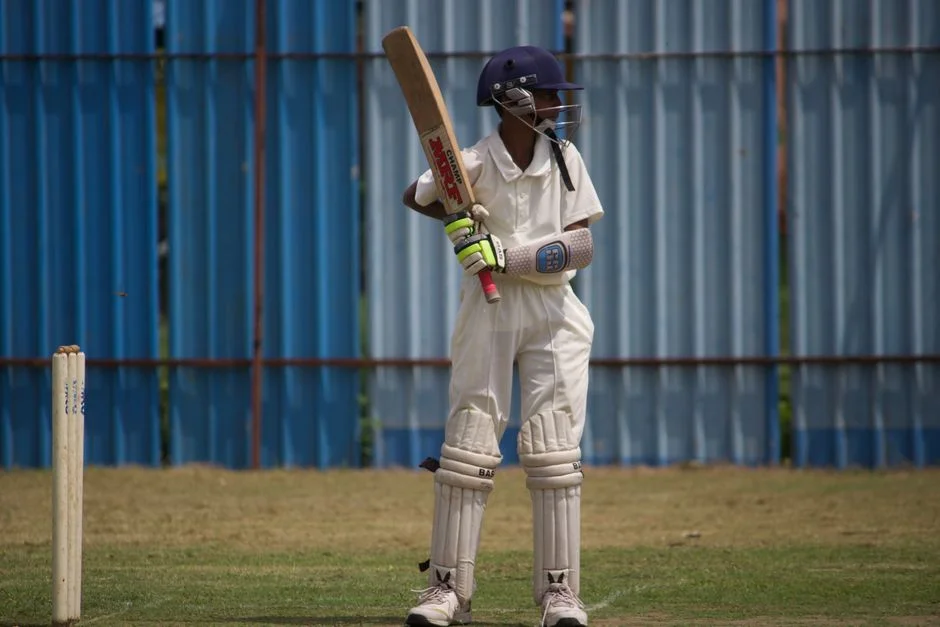
India's response was steady and calculated. The Indian batsmen navigated the chase with confidence, reaching the target with six wickets in hand. This emphatic win not only gave India the upper hand in the series but also highlighted the vulnerabilities in England's lineup. Such a defeat can exacerbate pressures on team management and sponsors, making the financial ecosystem surrounding cricket even more dynamic.
Historical Context and Series Significance


Historically, England and India have enjoyed a competitive cricketing rivalry, with matches between these two sides often drawing significant attention. The ODI series is a part of the broader cricket calendar that influences television rights, sponsorship deals, and ticket sales. England's recent struggles in the format have been well-documented, and this latest defeat adds to the narrative of inconsistency that has plagued the team in ODIs.
For India, success in overseas tours is seen as a barometer of progress and development in the team. Winning against England in their own conditions is always a prestigious achievement and has ramifications not just on the field but off it as well. The series holds importance for both teams in maintaining their international rankings, which in turn influences sponsorships and media rights negotiations.
Economic and Market Implications
Cricket, particularly a high-profile series like this, significantly affects markets and businesses tied to sports. The broadcasting rights for cricket series are a major revenue source for boards, and the viewership numbers directly impact advertising revenues. A strong performance by India can potentially boost viewership in the subcontinent, thus driving advertising rates upwards.
For England, the economic implications of a poor show can be more profound. Sponsors tied to the national team may face decreased engagement if the team's performance continues to falter. This could lead to renegotiation of sponsorship deals and affect the commercial viability of future series. Merchandise sales also tend to correlate with team performance, impacting revenue streams for the England and Wales Cricket Board (ECB).
Key Players and Institutions
The key players in this scenario are the cricket boards of both nations. The Board of Control for Cricket in India (BCCI) is one of the wealthiest cricket boards globally and heavily influences the sport's economic landscape. Successful series abroad help BCCI strengthen its bargaining position for media rights and sponsorships.
On the other hand, the ECB is facing pressure to maintain the prestige and economic stability of English cricket. Poor performances can lead to reduced influence in the International Cricket Council (ICC) discussions, particularly those concerning financial distributions and tournament scheduling. The players, too, are stakeholders, as consistent poor form can affect their marketability and endorsement deals.
Reactions from Stakeholders
Reactions to the match have been varied. Cricket analysts have pointed out the technical flaws in England's top order, while others have praised the disciplined approach of the Indian bowlers. In situations like this, stakeholders, such as sponsors and broadcasters, often voice concerns over the potential drop in viewer interest, which can affect ad revenue.
Fans, a crucial component of the cricket economy, contribute not just through viewership but also through merchandise and match attendance. A disillusioned fan base can lead to lower engagement levels, impacting the broader cricketing economy. Conversely, Indian fans are likely to be more engaged with such victories, enhancing market opportunities in India.
Implications for Regional and Global Markets
This series, like many sporting events, has implications that extend beyond the realm of sports into regional and global markets. In regions with high cricket interest, such as India and England, economic activity often spikes around major matches. Local businesses, hospitality sectors, and retailers benefit from increased consumer spending tied to match events.
Employing a wider lens reveals the role of such events in soft diplomacy. Successful sporting tours often pave the way for stronger bilateral ties, which can expand into trade agreements and cultural exchanges. The England-India series, therefore, serves as more than just a sporting contest; it's a conduit for potential economic and diplomatic fallout.
Looking Ahead: England's Next Steps
As the series progresses, England faces the task of regrouping and addressing the issues that led to the collapse. Team management will likely focus on strategic changes to avoid a repeat in the second ODI. Such changes could include squad rotation, technical adjustments, and a review of tactical approaches.
For investors and businesses tied to cricket, keeping an eye on the next match is crucial. Performance improvements or continued failures will guide future sponsorship deals and partnerships. The result of the next ODI could serve as a bellwether for the broader economic activities linked to cricket in England.
Upcoming Series and Market Signals to Watch
With the next ODI series matches on the horizon, stakeholders will be keenly observing the performances. The stakes are high for both teams, with India seeking to clinch the series and England aiming to mount a comeback. The outcomes will influence not only cricketing rankings but also the commercial landscape.
Markets should watch for potential shifts in sponsorship trends and media rights valuations as the series unfolds. Upcoming tournament announcements and fixture lists can provide further guidance on where economic opportunities might arise within the cricketing ecosystem.
Ultimately, the series at Edgbaston is more than just a sporting contest; it is an event with multifaceted economic implications that will resonate in the months to come.