Yan Xuetong, one of China's most influential foreign policy scholars, has laid out a stark prediction: East Asia is positioning itself as the world's next great centre for peace and economic expansion, while Europe grapples with persistent stagnation and internal fracture. The Tsinghua University professor, speaking at a forum in Beijing last month, argued that the balance of global influence is shifting decisively eastward, with implications that will reshape investment flows, trade relationships, and corporate strategy for years to come.
The Economic Paradigm Is Shifting
Xuetong, who heads the Institute of International Relations at Tsinghua University, has long argued that China possesses what he calls "moral realism" — a framework that prioritises mutual benefit in international dealings. His latest assessment suggests this approach is winning converts across the region. Countries in Southeast Asia and Northeast Asia are deepening economic ties with Beijing at a pace that outstrips their engagement with European partners, according to trade data spanning the past five years.

The numbers tell a compelling story. East Asian economies collectively posted growth rates averaging 4.2 percent in 2023, while the Eurozone managed just 0.8 percent. For investors watching from Singapore, this divergence matters enormously — it defines where capital will flow and which markets will offer returns.
Why Businesses Are Rewiring Their Strategies

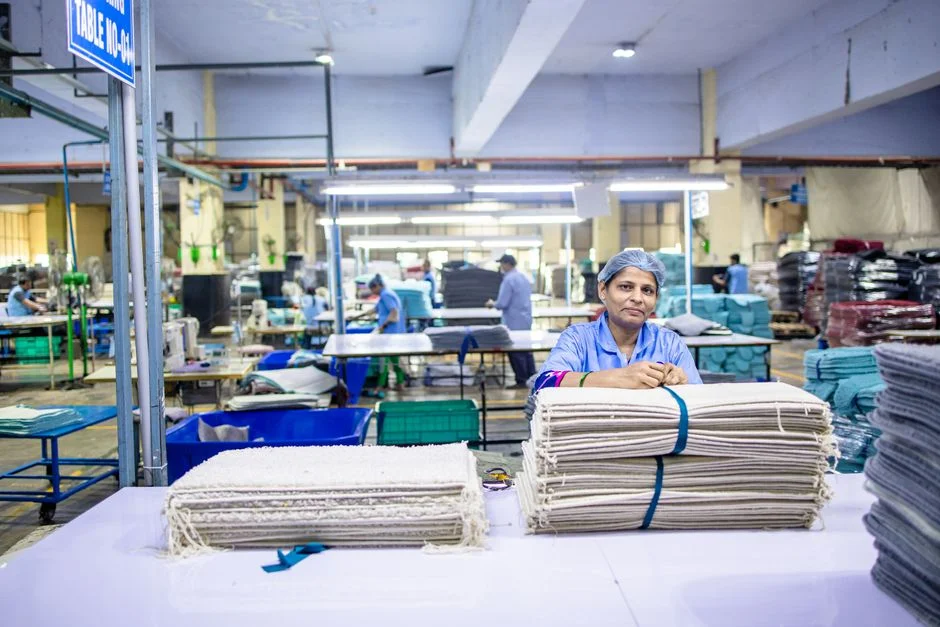
Multinational corporations have taken note. Toyota announced last year it would redirect 35 percent of its planned capital expenditure toward Southeast Asian production facilities by 2027. Samsung has consolidated its semiconductor operations across Vietnam and Malaysia, reducing its European footprint substantially. These decisions reflect a broader recalibration that Yan Xuetong's analysis captures with uncomfortable clarity.
The scholar pointed to three factors driving East Asia's ascent: manufacturing excellence, infrastructure connectivity, and growing middle-class consumer demand. Europe, by contrast, faces energy cost pressures that have undermined its industrial competitiveness, an aging population that limits domestic market expansion, and political fragmentation that complicates coherent trade policy.
Infrastructure and Connectivity
Rail links stretching from Kunming to Singapore, port expansions across the Strait of Malacca, and digital connectivity projects spanning the Mekong region have created an integrated economic space that did not exist a decade ago. The Regional Comprehensive Economic Partnership, which took effect in 2022, has accelerated tariff reductions and investment protections across 15 countries representing roughly 30 percent of global GDP.
Singapore-based logistics firms have been among the clearest beneficiaries. Port operator PSA International reported a 12 percent increase in throughput volumes from East Asian routes between 2022 and 2024, a trend that reflects shifting trade patterns rather than any temporary disruption.
The United States Factor Looms Large
Yan Xuetong's analysis acknowledges that American influence remains potent, particularly through financial markets and technology standards. Washington has sought to counter Beijing's reach through initiatives like the Indo-Pacific Economic Framework, though critics note these arrangements lack the binding commitments that actual trade agreements provide.
The scholar's assessment suggests the United States faces a dilemma: its security commitments in the region require cooperation with partners who simultaneously pursue economic engagement with China. For Singapore and other Southeast Asian nations, this tension creates diplomatic complexity but also opportunity, as both superpowers compete for goodwill and access.
American companies have not retreated from East Asia. Apple, Alphabet, and Amazon continue expanding their presence across the region, drawn by market size and manufacturing capability. Yet the pattern of investment is changing — less extraction of cheap labour, more integration with local innovation ecosystems.
What This Means for Singapore
For Singapore, Yan Xuetong's thesis arrives at a moment of acute relevance. The city-state has positioned itself as a bridge between East and West, a role that depends on both sides valuing its intermediary function. If economic gravity genuinely shifts eastward, Singapore's importance as an Asian financial centre could intensify — but only if it maintains the legal certainty, talent availability, and infrastructure that make it indispensable.
DBS Bank economists note that Singapore's trade with East Asian partners has grown from 48 percent of total volume in 2018 to 54 percent in 2024. This shift, while modest, aligns with the trajectory Yan Xuetong describes.
Europe's Struggle for Relevance
The contrast with Europe sharpens with each passing quarter. The European Union has spent the past three years absorbed by the aftermath of the Ukraine conflict, energy transition costs, and recurring political crises that have toppled governments in Paris, Berlin, and beyond. Berlin's decision to curb fiscal spending following a constitutional court ruling last year has frozen infrastructure investment at precisely the moment when upgrades were most needed.
European companies are not oblivious to these trends. Volkswagen has committed to building battery plants in Poland and the Czech Republic rather than expanding capacity at home. Siemens Energy has shifted its most dynamic research operations to Singapore and South Korea. These choices accumulate into a pattern that threatens Europe's long-term industrial position.
Watching the Next Moves
Yan Xuetong's forecast will face its first real test at the ASEAN Summit scheduled for October in Laos, where regional leaders will gather to assess progress on the ASEAN Power Grid and cross-border payments integration — projects that could accelerate the economic cohesion he champions. Chinese Premier Li Qiang is expected to attend, offering a signal of Beijing's continued engagement.
For investors in Singapore and across the region, the coming 18 months will determine whether the scholar's thesis translates into tangible opportunity. Markets that capture manufacturing growth, consumer expansion, and infrastructure development will offer the returns that Europe increasingly cannot. The question is not whether East Asia rises — the trajectory seems clear — but whether the region can sustain the conditions for peaceful growth that would make it a genuine centre rather than merely a counterweight.
See Also
- India and UK Push to Finalize Trade Deal as Deadline Pressure Mounts
- UK Seals Deal to Ease Migrant Returns to Nigeria, Sparks Economic Concerns
What is the latest news about yan xuetong exposes why east asia is seizing europes economic crown?
Why does this matter for politics-governance?
What are the key facts about yan xuetong exposes why east asia is seizing europes economic crown?