Donald Trump landed in Beijing first. Within weeks, Russian President Vladimir Putin followed. The back-to-back summits have turned China into the unexpected focal point of great-power diplomacy, raising urgent questions about how global markets, businesses, and investors should read the shift.
Two Summits, One Destination
The sequencing was striking. Trump wrapped up a state visit to Beijing where billions in trade deals were announced. Putin arrived shortly after, securing energy agreements and political consultations that underscored Moscow's growing reliance on Chinese partnership. Analysts in Singapore and across Asian financial centres took notice: when the leaders of the United States and Russia both make the same destination a priority within the same quarter, the signal is difficult to ignore.
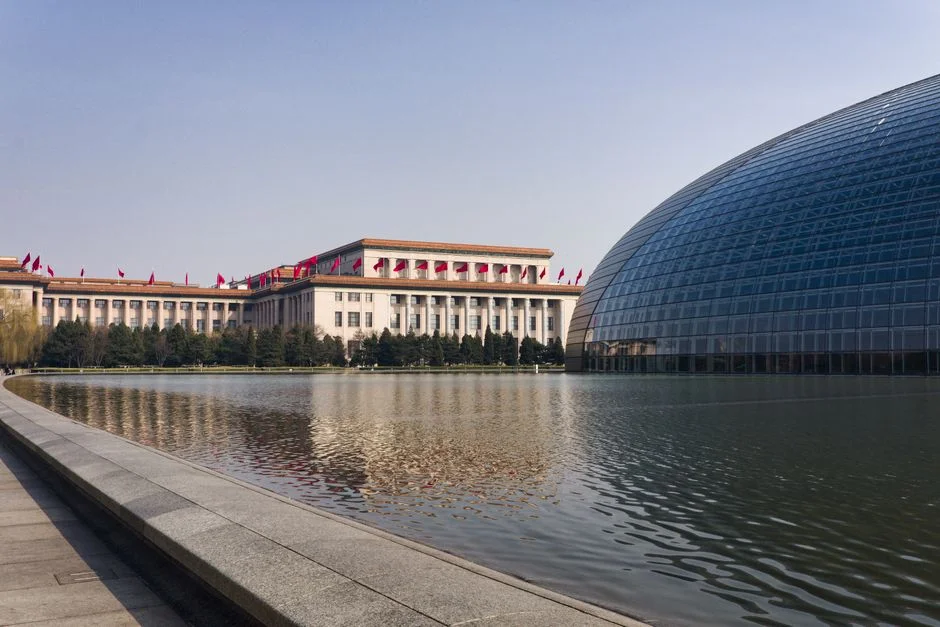
Beijing has not hidden its ambitions. President Xi Jinping has positioned China as a indispensable mediator, hosting talks on Ukraine, the Middle East, and trade that involve parties previously unwilling to sit at the same table. The diplomatic choreography carries clear economic undertones.
What Beijing Wants From the Visits


China's leadership has been explicit about its goals. Officials want to demonstrate that Beijing can deliver results where Western institutions have stalled. The message to global capital is straightforward: deals made in China carry weight, and partnerships with Chinese firms open doors that Washington or Brussels may no longer keep ajar.
Trade figures reinforce the stakes. Bilateral trade between China and Russia exceeded $240 billion last year, a 26 percent jump from the previous period. Meanwhile, US-China trade relations remain in a state of managed tension, with tariffs and technology restrictions shaping corporate strategies across the Pacific.
The Geopolitical Chessboard
For Singapore's banks and trading houses, the practical question is straightforward: which direction does capital flow when the world's two nuclear powers both signal that Beijing matters more than before? The answer shapes investment portfolios, supply chains, and the insurance premiums charged on shipments traversing contested corridors.
Singapore's position as a financial gateway means these shifts arrive with local consequences. The city-state's export-dependent economy runs on confidence in stable global trade routes and predictable dollar flows. When diplomatic gravity moves, the Monetary Authority of Singapore watches closely.
Markets React to the New Geometry
Currency markets registered the first signals. The renminbi held steady against the dollar through both summits, suggesting investors do not yet see Beijing's diplomatic push as a threat to currency stability. Bond yields in emerging Asian markets showed modest tightening, a sign that some traders are pricing in higher Chinese influence over regional economic governance.
Energy markets proved more volatile. Putin's visit produced no dramatic new oil deals, but the symbolism mattered. Russia, squeezed by Western sanctions, is deepening its eastbound energy infrastructure. That trajectory affects liquefied natural gas spot prices across Asia, including at Singapore's terminals.
Technology stocks presented a mixed picture. Chinese firms positioning themselves as partners for Global South nations attracted investor interest, while companies caught between US and Chinese supply chains faced renewed scrutiny from fund managers rebalancing exposure.
Businesses Navigate the Consequences
Corporate boards in Singapore have begun adjusting. Several logistics and commodity trading firms consulted by local analysts said they are expanding China-facing teams and reviewing contracts that assume Western-dominated trade frameworks will persist indefinitely.
The shift carries specific risks. Companies that over-index on US partnerships may find themselves disadvantaged in markets where Beijing holds sway. Those that move too quickly toward Chinese state-linked partners face potential reputational and regulatory exposure in Washington, London, and Brussels.
Regional supply chains are already bending. Manufacturers in Vietnam and Malaysia, long positioned as China-plus-one alternatives, report growing pressure to clarify their own diplomatic positioning as their largest customers make clear where their loyalties lie.
What Singapore's Economy Must Now Weigh
Singapore has historically thrived by remaining indispensable to both sides. The city-state hosts American military hardware and Chinese capital. Its port processes containers bound for both Washington and Beijing. That balancing act grows more delicate as the great powers demand clearer choices.
Trade ministry officials in Singapore have not issued public statements linking the recent summits to policy changes. But conversations with industry participants reveal mounting anxiety about maintaining the credibility of Singapore as a neutral financial hub when neutrality itself becomes a contested concept.
The services sector faces specific pressure points. Legal firms, consultancies, and shipping insurers all depend on dispute resolution frameworks that assume Western contract standards. If Beijing-backed alternatives gain traction, Singapore's regulatory expertise may need to adapt or risk gradual irrelevance.
Looking Ahead: Deadlines and Decision Points
Several timelines matter for readers tracking this story. The next round of US-China trade talks is scheduled for the autumn, and the outcomes will signal whether Trump's visit produced durable commitments or merely ceremonial fanfare. Putin's next scheduled international appearance will test whether Moscow's pivot to Beijing continues or faces domestic constraints.
For investors, the immediate watch item is currency volatility. Any sign that great-power tensions are spilling into competitive currency devaluation would hit Singapore's export-oriented firms hard. The Monetary Authority of Singapore has room to act, but the underlying driver would remain beyond local control.
What matters most is this: Beijing has made its ambitions explicit, and two of the world's most consequential leaders have validate those ambitions by travelling there. Businesses and investors who assumed great-power competition would leave Asia's financial centres untouched should reconsider. The diplomatic centre of gravity has shifted, and capital will follow.
See Also
- Trump Pushes China Summit Delay as Tensions with Iran Escalate
- NZ Cricket Betting Markets Surge as Jamieson Defies Form