Donald Trump and Xi Jinping are set to convene this Thursday for a high-stakes summit that could redefine the global economic order. This meeting in Washington D.C. represents a critical juncture for international trade, with investors watching closely for signals on tariffs and technology exports. The outcome will have immediate ripple effects on stock markets, currency valuations, and supply chains across Asia and beyond.
Market Sentiment Shifts Ahead of Summit
Global equity markets are reacting with cautious optimism mixed with underlying anxiety. The S&P 500 has seen modest gains in pre-market trading, driven by the expectation of a temporary truce in the transatlantic trade war. However, volatility indices remain elevated, suggesting that investors are not fully convinced that a long-term deal is imminent. Traders are positioning themselves for potential swings in the dollar and the euro as diplomatic rhetoric hardens or softens.
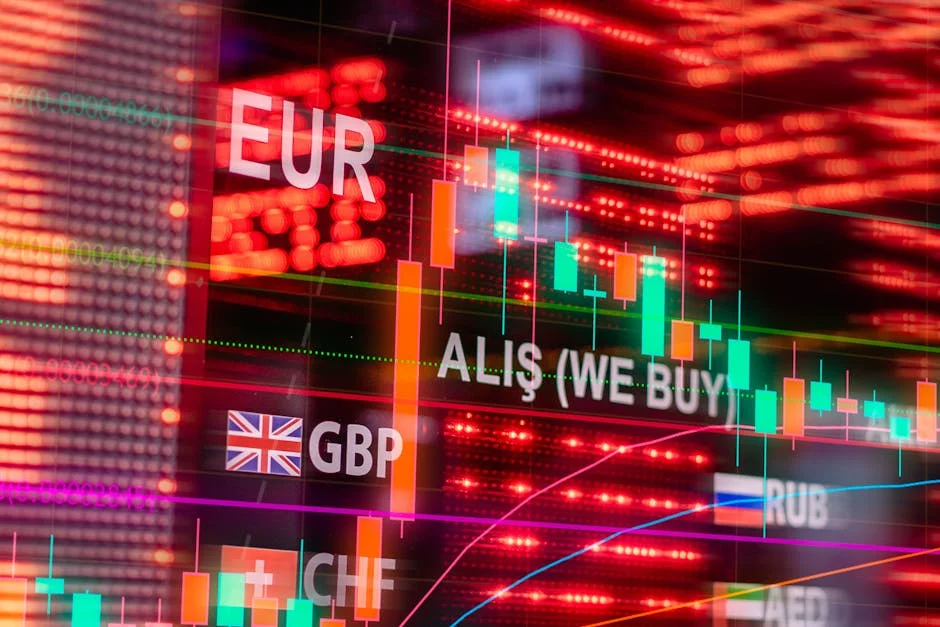
In Asia, the Hang Seng Index in Hong Kong is particularly sensitive to the US-China dynamic. Chinese tech giants, which have been under scrutiny from Washington, are seeing mixed signals from institutional investors. Some funds are rotating out of growth stocks to safer havens, while others are betting on a breakthrough in semiconductor export controls. The uncertainty is palpable, with trading volumes spiking in the final hours before the leaders take the stage.
Bond markets are also sending mixed messages. US Treasury yields have fluctuated as traders assess the inflationary impact of potential tariff hikes. If Trump pushes for higher duties on Chinese goods, inflation could rise, forcing the Federal Reserve to keep interest rates higher for longer. This scenario would weigh heavily on global borrowing costs, affecting everything from corporate debt to mortgage rates in major economies.
Singapore’s Strategic Position in the Trade War


Singapore finds itself at a unique vantage point in this geopolitical tug-of-war. As a major trade hub and financial center, the city-state is both a beneficiary and a potential casualty of US-China relations. The Monetary Authority of Singapore (MAS) has warned that prolonged trade tensions could dampen global growth, which in turn affects Singapore’s export-dependent economy. Businesses in Singapore are closely monitoring the summit for clues on how to adjust their supply chain strategies.
Supply Chain Diversification
Many multinational corporations headquartered in Singapore are accelerating their "China-plus-one" strategy. This involves maintaining a strong presence in China while expanding operations in Vietnam, India, and Mexico to mitigate risk. The Trump-Xi meeting could accelerate this trend if tariffs remain high or if new non-tariff barriers are introduced. Companies in the electronics and manufacturing sectors are particularly vulnerable to shifts in trade policy.
Investors in Singapore’s property and logistics sectors are also watching the summit closely. Port activity in Jurong and Changi could see fluctuations depending on the volume of goods moving between the US and China. If a trade deal is struck, there may be a surge in shipping volumes as businesses restock inventories. Conversely, a breakdown in talks could lead to a slowdown in freight rates and warehouse utilization.
The Technology Sector Under Scrutiny
Technology remains the flashpoint in US-China relations. The summit will likely focus on the future of semiconductor exports, electric vehicles, and artificial intelligence. Trump has threatened to impose steep tariffs on Chinese electric vehicles to protect US automakers, while Xi has emphasized the need for stability in the tech sector to sustain China’s growth. These negotiations will have far-reaching implications for global tech giants and their supply chains.
For investors, this means continued volatility in tech stocks. Companies like Apple, Tesla, and NVIDIA are deeply integrated into the Chinese market, making them sensitive to policy changes. Any announcement regarding export controls or market access could trigger significant price movements in these shares. Analysts suggest that investors should diversify their tech portfolios to hedge against geopolitical risks.
The battle for technological supremacy also extends to 5G infrastructure and cloud computing. The US has been pushing allies to exclude Chinese firms like Huawei from their 5G networks, a move that China views as economic coercion. The outcome of the summit could influence how other countries, including those in Southeast Asia, approach their own 5G rollouts. This has direct implications for telecom operators and hardware manufacturers in the region.
Energy Markets and the Iran Factor
While the US-China summit dominates headlines, the situation in Iran adds another layer of complexity to global markets. Iran’s oil production and export levels directly impact global energy prices, which in turn affect inflation and consumer spending. Any escalation in tensions in the Persian Gulf could lead to a spike in crude oil prices, providing a tailwind for energy stocks but a headwind for airlines and logistics companies.
Singapore, as a major oil refining hub, is particularly exposed to fluctuations in energy prices. Higher oil prices could boost the margins of local refiners like Shell and ExxonMobil, but they also increase costs for consumers and businesses. The Monetary Authority of Singapore has noted that energy prices are a key variable in their inflation forecasts. Investors should monitor developments in Iran alongside the US-China talks for a complete picture of the energy market.
The interplay between US-China trade policy and Iran’s geopolitical stance is intricate. The US often uses trade leverage to influence Iran’s nuclear deal, while China is one of Iran’s largest oil buyers. A stronger US-China relationship could lead to a more coordinated approach to Iran, potentially stabilizing oil prices. However, if the summit ends in discord, the lack of coordination could lead to greater uncertainty in the energy sector.
Implications for Multinational Corporations
For multinational corporations, the summit is a test of their agility and resilience. Companies that rely heavily on cross-border trade must be prepared for rapid changes in tariff structures and regulatory environments. The key is to maintain flexibility in their supply chains and to diversify their customer bases. This requires significant investment in logistics, technology, and human resources.
Business leaders in Singapore are advising their clients to engage in proactive scenario planning. This involves modeling different outcomes of the summit and preparing contingency plans for each scenario. For example, if tariffs on Chinese goods increase, companies might need to shift production to Southeast Asia or Latin America. If a trade deal is struck, they might need to accelerate investments in China to capture market share.
The summit also highlights the importance of government relations for multinational corporations. Companies need to build strong relationships with policymakers in both the US and China to navigate the complex regulatory landscape. This includes engaging with trade associations, participating in public consultations, and maintaining open lines of communication with key ministers and agencies.
Investment Strategies for the Post-Summit Era
Investors should adopt a balanced approach to navigating the uncertainties surrounding the US-China summit. Diversification is key, with a mix of domestic and international assets, as well as a blend of growth and value stocks. It is also important to monitor macroeconomic indicators, such as inflation, interest rates, and employment data, to gauge the broader economic impact of the summit.
Fixed income investors should be cautious about the duration of their bond portfolios. If inflation rises due to tariff hikes, longer-duration bonds may suffer from price declines. Conversely, if the summit leads to a growth spurt, shorter-duration bonds may offer better yields. It is essential to stay informed about the Federal Reserve’s monetary policy decisions, which will be influenced by the trade situation.
Equity investors should focus on sectors that are likely to benefit from the summit’s outcome. For example, if a trade deal is struck, consumer discretionary stocks may rise as consumer confidence improves. If tariffs remain high, defensive stocks like utilities and healthcare may offer more stability. It is also important to consider the currency impact, as a stronger dollar can hurt the earnings of US multinational corporations.
Risk Management in Volatile Times
Risk management is crucial for investors in this environment. This includes setting stop-loss orders to limit downside risk and using options to hedge against market volatility. It is also important to maintain a cash reserve to take advantage of buying opportunities that may arise during market dips. Investors should avoid making impulsive decisions based on short-term market movements and instead focus on their long-term investment goals.
The financial services sector in Singapore is well-positioned to help clients navigate these challenges. Banks and asset managers are offering tailored solutions, such as structured products and diversified funds, to help investors manage risk and capture returns. It is advisable for investors to consult with their financial advisors to review their portfolios and adjust their strategies in light of the summit’s outcomes.
Looking Ahead: What to Watch Next
The immediate focus will be on the joint press conference following the Trump-Xi meeting. Investors should listen carefully to the language used by both leaders, paying attention to any announcements regarding tariffs, technology, and market access. The details of any deal, or the lack thereof, will provide crucial insights into the future trajectory of US-China relations.
In the weeks following the summit, markets will digest the implications of the agreements reached. This will involve analyzing the impact on corporate earnings, inflation, and interest rates. Investors should also monitor developments in Iran, as any escalation there could complicate the global economic outlook. The coming months will be critical for determining whether the US-China relationship is moving towards stability or further fragmentation.
For Singapore, the key will be to maintain its neutrality and openness to trade with both powers. The government will likely continue to pursue free trade agreements and invest in infrastructure to enhance its competitiveness. Businesses in Singapore should remain agile and ready to adapt to changing market conditions. The summit is just one chapter in a long and evolving story, and staying informed is the best strategy for navigating the uncertainties ahead.
See Also
- GOP Senators Push for Off-Ramp to End Warsh Fed Nomination Standoff
- Government Reverses Course, Names Donna Ockenden as Maternity Inquiry Chair - What It Means for Markets
What is the latest news about trump meets xi markets brace for trade shockwaves?
Why does this matter for politics-governance?
What are the key facts about trump meets xi markets brace for trade shockwaves?