Venezuela's acting President is set to arrive in New Delhi on Thursday, kicking off a three-day visit where energy security dominates the agenda at a time when global oil markets remain volatile. The visit marks the highest-level diplomatic engagement between the two nations in recent years, with Caracas looking to rebuild partnerships that western sanctions have disrupted. Officials from India's Petroleum Ministry confirmed the delegation will include senior executives from Venezuela's state oil company PDVSA.
India's Energy Hunger Drives the Outreach
India imports roughly 85 percent of its crude oil needs, making energy partnerships a cornerstone of its foreign policy. Venezuela sits on the world's largest proven oil reserves at more than 300 billion barrels, yet production has cratered under years of US sanctions. The meeting comes as Indian refiners have been quietly increasing purchases of Venezuelan heavy crude through intermediary routes, according to shipping data reviewed by Reuters. For New Delhi, the calculus is straightforward: diversify suppliers while locking in long-term contracts at competitive prices.
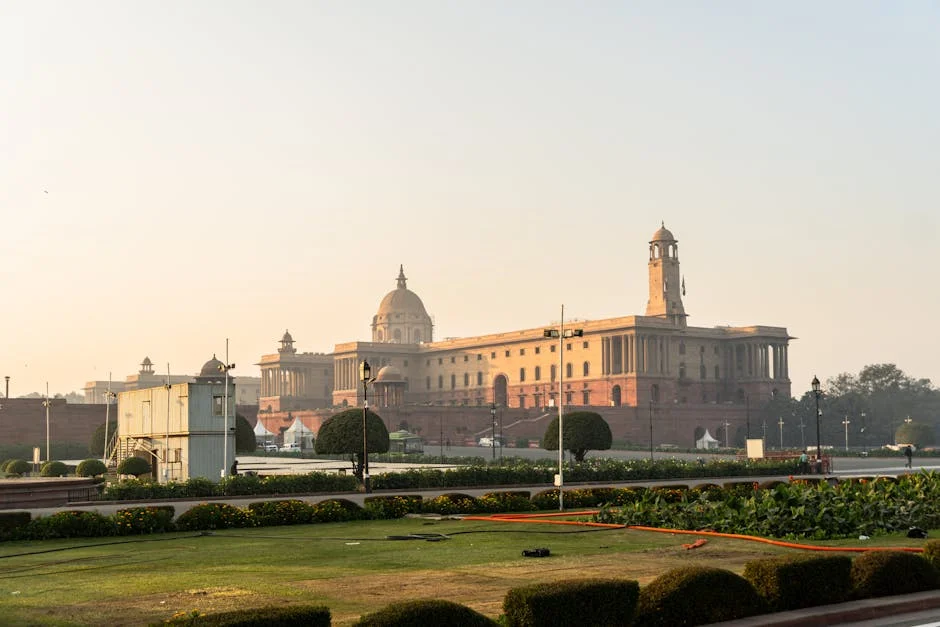
India's Oil Minister is scheduled to co-chair the trade discussions alongside Venezuela's visiting delegation. The two sides are expected to finalise a preliminary framework covering crude supply terms, payment mechanisms, and infrastructure cooperation. Energy analysts note that Venezuela's heavy sour crude is particularly attractive to Indian refineries built to process heavier grades from Latin America.
What Venezuela Stands to Gain


Caracas is desperate for new buyers willing to work around the US Treasury's sanctions regime. PDVSA's output has tumbled to around 800,000 barrels per day, less than half its peak production a decade ago. The New Delhi visit signals Venezuela's push to court Asian customers who can pay in non-dollar currencies. India has proposed using rupees for oil settlements, a system that would allow both countries to bypass SWIFT banking restrictions. Venezuelan officials told reporters the framework could unlock billions in previously frozen trade flows.
The acting President is carrying a delegation of 40 officials, including heads of Venezuela's national development bank Bandagro and the hydrocarbons ministry. Industry sources say Caracas wants agreements covering not just crude exports but also petrochemical cooperation and fertiliser supply chains. India's appetite for fertilisers has surged as farmers seek to boost crop yields, making this a parallel avenue for bilateral trade.
Market Reaction and Investment Implications
Oil markets shrugged off the announcement initially, with Brent crude trading near $82 per barrel on Tuesday. However, energy traders are watching closely for any breakthrough that could redirect Venezuelan barrels away from existing buyers in China. If India secures preferential access to Venezuelan crude, it would represent a significant shift in Asian oil trade flows. Chinese refiners have dominated Venezuelan imports since US sanctions intensified in 2019.
For investors, the visit carries implications beyond crude supply. Indian companies have expressed interest in Venezuelan upstream projects, particularly in the Orinoco Belt where major heavy oil reserves remain largely untapped. Any deal enabling Indian investment in Venezuelan oil infrastructure would signal a potential softening of western isolation, even if formal sanctions remain in place. Shares in Indian state-owned refiners were little changed in early trading, reflecting market caution about the political risks involved.
Sanctions Complicate the Path Forward
The elephant in the room remains US sanctions, which continue to restrict most transactions involving PDVSA. General Licence 44, issued by the US Treasury, allows limited humanitarian trade with Venezuela but has done little to normalise commercial oil flows. India's external affairs ministry declined to comment on whether the proposed rupee settlement mechanism would require US approval. Analysts at Morgan Stanley noted in a December report that any deal involving Venezuelan oil would need to navigate complex compliance requirements that deter many commercial banks.
Venezuela's acting President is expected to meet separately with India's Prime Minister on Friday. The programme also includes a stop at India's energy exchange in Mumbai, where officials will explore how Venezuelan heavy crude could feed India's strategic petroleum reserve programme. The reserve currently holds about 38 days of supply, and the government has been exploring ways to increase storage capacity to 90 days.
Why January Timing Matters
January marks the start of India's fiscal year, when state refiners finalise supply contracts for the coming twelve months. Finalising a Venezuelan crude framework now would influence purchasing decisions across India's downstream sector for all of 2024. It also comes as the US has been reassessing its Venezuela sanctions policy, with recent talks between American and Venezuelan officials in Caracas raising questions about potential relief. Biden administration officials have suggested sanctions relief could be linked to democratic concessions, though progress remains halting.
The visit also coincides with a spike in Red Sea shipping disruptions that have forced Asian refiners to reroute shipments from the Mediterranean, increasing costs and delivery times. Venezuelan crude, shipped via Cape of Good Hope routes, could benefit from the logistical reshuffle if India can negotiate competitive freight terms.
What Comes Next
Both sides have scheduled a joint press conference for Saturday morning in New Delhi, where any framework agreement is expected to be announced. Indian government officials have cautioned that full implementation would require months of technical work on sanctions compliance and payment infrastructure. Watch for whether the two governments announce a specific crude volume target, which would signal the commercial seriousness of the partnership.
The acting President departs India on Sunday before heading to a second Asian destination. India's foreign ministry confirmed the visit reflects New Delhi's broader strategy of engaging with energy-rich nations across Latin America, including recent outreach to Brazil and Colombia. The next meaningful signal for markets will come if either side announces a timeline for the first cargo shipments under the proposed framework.
See Also
- War Threatens Middle East Water Supplies - Implications for Global Markets Revealed
- John Dramani Mahama Calls for Slave Trade to Be Recognised as Crime Against Humanity
Indian companies have expressed interest in Venezuelan upstream projects, particularly in the Orinoco Belt where major heavy oil reserves remain largely untapped. Shares in Indian state-owned refiners were little changed in early trading, reflecting market caution about the political risks involved.