India's Health Minister JP Nadda confirmed on Tuesday that the government has activated contingency measures to maintain uninterrupted supplies of essential medicines and agricultural fertilisers, even as the escalating crisis in West Asia rattles global supply chains. The reassurance came during a high-level review meeting in New Delhi, where officials assessed potential vulnerabilities in India's import-dependent pharmaceutical and agricultural sectors. India sources a significant portion of its active pharmaceutical ingredients and key fertiliser components from the West Asia region, making supply continuity a pressing economic concern.
India's Exposure to West Asia Supply Chains
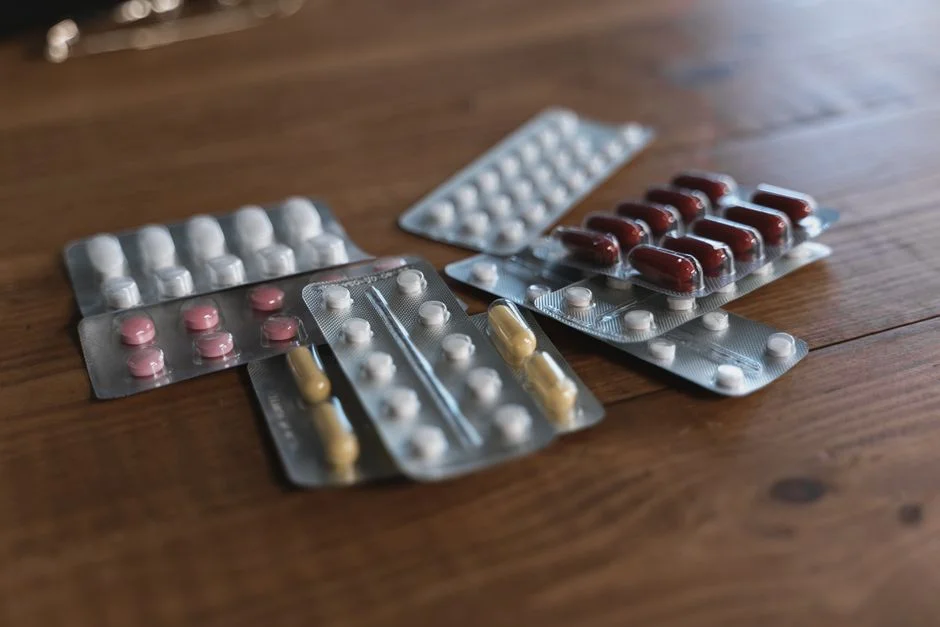
West Asia serves as a critical node in India's pharmaceutical raw material imports, with the region accounting for a substantial share of global urea and di-ammonium phosphate trade. The Indian pharmaceutical industry, worth approximately $50 billion annually, relies heavily on uninterrupted access to these inputs to manufacture generic medicines consumed domestically and exported worldwide. Any prolonged disruption could ripple through drug pricing and availability across multiple markets.
The fertiliser sector faces similar exposure. India meets nearly 30% of its urea requirements through imports, with West Asian suppliers representing a key source. Agricultural analysts have flagged that supply bottlenecks could coincide with the upcoming rabi planting season, creating pressure on winter crop production. Farmgate prices for key staples could rise if fertiliser availability tightens in the coming weeks.
Government Contingency Planning
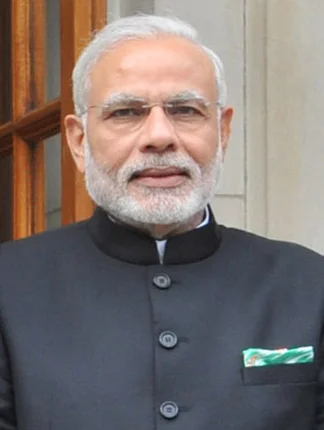
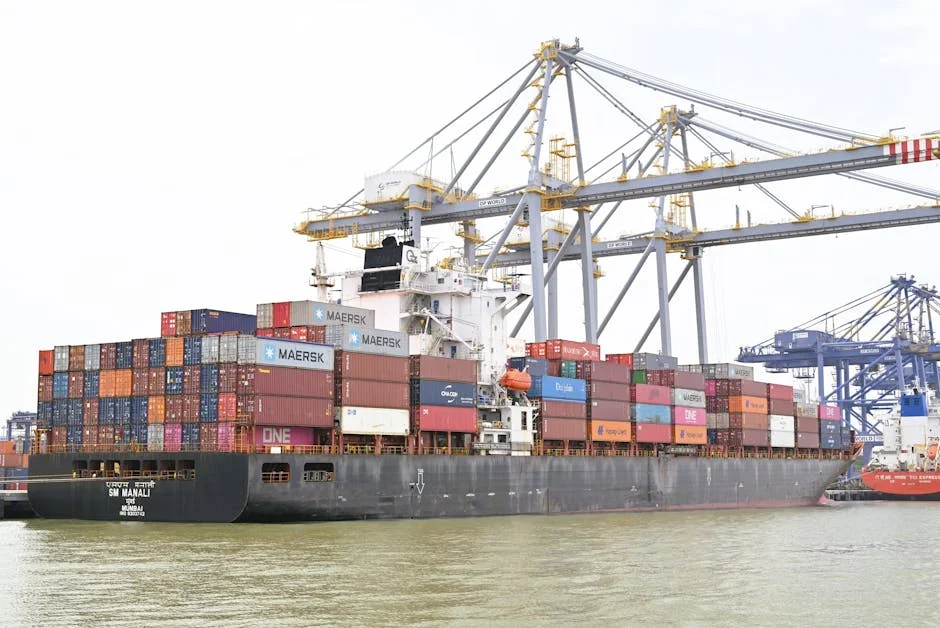
Nadda told reporters after the review meeting that authorities have been working with industry stakeholders to map alternative sourcing routes and build inventory buffers across vulnerable product categories. The Ministry of Chemicals and Fertilisers has been in direct contact with major domestic manufacturers to accelerate production schedules and pre-position stock in strategic warehouses. These measures aim to provide a buffer of several weeks should logistics or freight routes face disruption.
Industry executives at the meeting included representatives from major pharmaceutical conglomerates and agricultural input suppliers. The discussions centred on identifying which specific drug formulations and crop nutrients face the highest supply risk. Officials indicated that a detailed inventory assessment would be completed within the next ten days, with findings to be shared with relevant parliamentary committees.
Market and Investor Implications
For investors tracking Indian equities, the crisis underscores the sectoral risks embedded in globalised supply networks. Shares of fertiliser companies on the National Stock Exchange have shown elevated volatility in recent sessions, reflecting uncertainty about input costs and forward pricing. Pharmaceutical counters have been more resilient, supported by strong domestic demand and diversified sourcing arrangements, but analysts note that a prolonged regional crisis could erode margins.
Currency markets have absorbed the spillover cautiously. The Indian rupee has faced modest pressure against the dollar, driven partly by oil price movements linked to the West Asia situation. India imports roughly 85% of its crude oil requirements, meaning energy cost pass-throughs could intensify broader inflationary pressures across manufacturing and transport sectors. The Reserve Bank of India's upcoming monetary policy review will factor these dynamics into its inflation outlook, market participants said.
Alternative Sourcing Strategies
Beyond short-term buffer stocks, the government has signalled interest in accelerating diversification of supply sources. Officials indicated preliminary discussions with North African and Southeast Asian fertiliser producers to expand import partnerships. In the pharmaceutical space, domestic manufacturers are being encouraged to fast-track production of critical active ingredients traditionally sourced from West Asia, with potential incentives under the Production Linked Incentive scheme.
Logistics firms are also repositioning. Shipping companies servicing the India-West Asia corridor have reported increased inquiries for alternative routing through the Cape of Good Hope or via Red Sea bypass channels, though these options add transit time and cost. Freight rates on the India-Europe leg have already climbed as carriers adjust schedules to avoid affected waters.
What Comes Next
Analysts will be watching for any official confirmation of shipping route changes or port delays, as these would provide early signals of supply chain stress materialising in the physical market. The next fortnight will be critical for Rabi sowing decisions in Punjab, Haryana, and Uttar Pradesh, where fertiliser application timing directly influences wheat and chana output forecasts. The government is expected to release its updated supply outlook before the end of the month.
See Also
- Washington Confirms AGOA Extension — but Analysts Warn a Bigger Plan is Needed
- Arcadia Mayor Pleads Guilty as China Agent
Officials indicated preliminary discussions with North African and Southeast Asian fertiliser producers to expand import partnerships. Shares of fertiliser companies on the National Stock Exchange have shown elevated volatility in recent sessions, reflecting uncertainty about input costs and forward pricing.
What is the latest news about jp nadda confirms india medicine fertiliser supply uninterrupted amid west asia crisis?
Why does this matter for politics-governance?
What are the key facts about jp nadda confirms india medicine fertiliser supply uninterrupted amid west asia crisis?