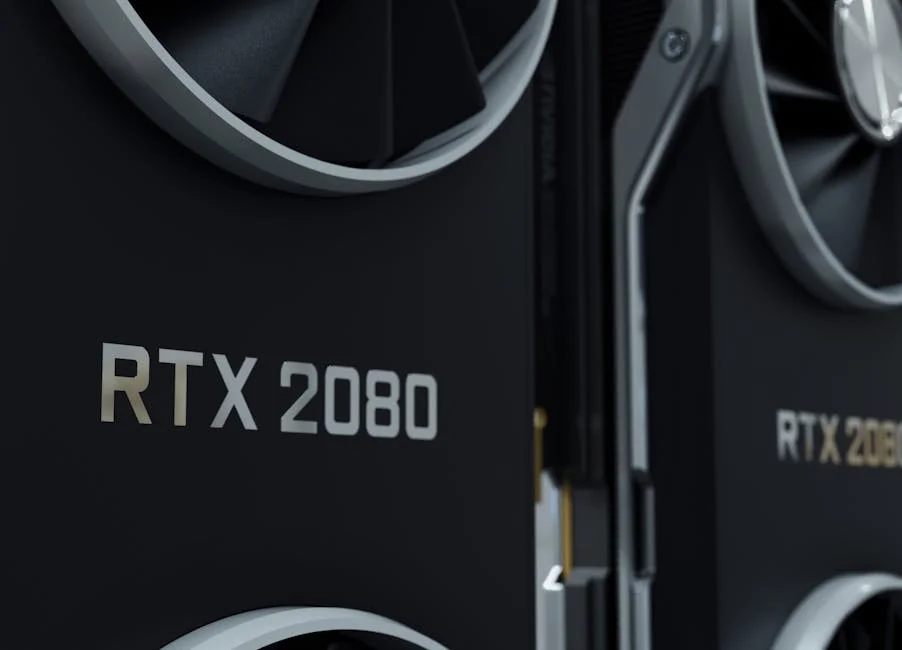
Nvidia CEO Jensen Huang has officially joined President Donald Trump’s delegation for a high-stakes trip to China, signaling a strategic pivot in US technology diplomacy. This move places the chipmaker at the center of geopolitical negotiations that could redefine global semiconductor supply chains. For investors in Singapore and across Asia, the implications are immediate and profound.
Geopolitics Meets Silicon Valley Strategy
The decision for Huang to accompany the US President is not merely ceremonial. It represents a calculated effort to leverage Nvidia’s market dominance to secure favorable trade terms. Trump has historically favored direct executive engagement over bureaucratic negotiations, and Huang’s presence adds technical credibility to political demands. This approach suggests that the US government views Nvidia not just as a corporation, but as a strategic asset in the war against China’s technological rise.

Markets have reacted swiftly to the announcement. Shares of Nvidia saw immediate volatility as traders assessed the potential for renewed export controls or, conversely, a temporary reprieve for the Beijing market. The uncertainty highlights the delicate balance Nvidia must maintain between its American roots and its largest customer base. Investors are watching closely to see if this diplomatic maneuver will stabilize or further disrupt the semiconductor sector.
Impact on Singapore’s Tech Ecosystem

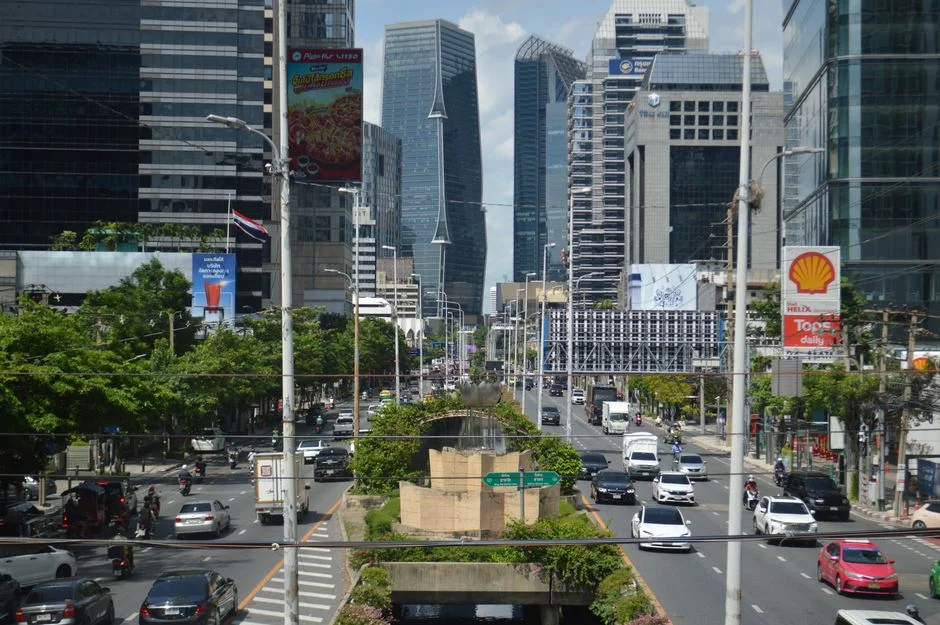
Singapore’s position as a regional hub for semiconductor manufacturing and data centers makes it highly sensitive to US-China tech dynamics. The city-state hosts numerous Nvidia partners and data center operators who rely on a steady flow of GPUs and AI infrastructure. Any shift in trade policy or supply chain logistics directly affects local businesses and foreign direct investment flows into Singapore. Local analysts emphasize that stability in the Nvidia supply chain is crucial for Singapore’s broader economic resilience.
Supply Chain Vulnerabilities
The complexity of the semiconductor supply chain means that disruptions in Beijing can ripple through Singapore’s logistics networks. Many local firms act as intermediaries, handling the assembly, testing, and distribution of chips that originate in the US or Taiwan and are destined for Chinese markets. If Trump’s administration imposes stricter export controls, these local intermediaries face immediate operational challenges. Conversely, if the trip results in a trade deal, Singapore could see a surge in demand for its port and logistics services.
Investors in Singapore must consider how these geopolitical shifts affect their portfolios. Companies with heavy exposure to the Asian tech sector may experience heightened volatility. The Singapore Exchange (SGX) has seen increased trading volumes in tech-related ETFs as local investors adjust their positions. This trend reflects a broader awareness among Singaporean investors that global tech policy is no longer just a Washington or Beijing concern.
Market Reactions and Investor Sentiment
The financial markets have interpreted Huang’s inclusion in the delegation as a sign of potential negotiation leverage. However, the reaction has been mixed, reflecting the uncertainty inherent in US-China relations. Some analysts view the move as a bullish signal, suggesting that Nvidia may secure a more favorable regulatory environment in China. Others remain cautious, fearing that political rhetoric could lead to sudden policy shifts that disrupt Nvidia’s revenue streams.
Institutional investors are closely monitoring the outcome of the trip. The potential for Nvidia to secure a “most favored nation” status for its chips in China could boost its valuation significantly. This would allow Nvidia to maintain its competitive edge against domestic Chinese rivals like SMIC and Huawei. For Singapore-based fund managers, this presents both an opportunity and a risk. The key is to assess the durability of any agreements reached during the visit.
Business Implications for Regional Firms
For businesses in Singapore and the wider region, the Nvidia-Trump alliance signals a need for agility. Companies that rely on Nvidia’s hardware for AI development and data processing must prepare for potential supply chain disruptions. This includes diversifying suppliers and building inventory buffers to mitigate the risk of sudden export bans or tariffs. The uncertainty also encourages firms to accelerate their adoption of cloud-based AI solutions, which may offer more flexibility than on-premise hardware investments.
The automotive and healthcare sectors, which are heavy users of Nvidia’s chips, are particularly vulnerable. Any delay in chip deliveries could slow down product launches and innovation cycles. Singaporean firms in these sectors are already engaging in strategic planning to address these risks. They are exploring partnerships with other chipmakers and investing in software optimization to reduce dependency on specific hardware configurations.
The Strategic Role of Jensen Huang
Jensen Huang’s reputation as a visionary leader adds weight to the diplomatic effort. His ability to articulate the technical nuances of the semiconductor industry helps bridge the gap between political goals and market realities. Huang’s presence signals to Chinese officials that the US is willing to engage in detailed, technical discussions rather than relying solely on broad political statements. This approach could facilitate more pragmatic solutions that benefit both Nvidia and the Chinese market.
However, Huang also faces the challenge of balancing shareholder expectations with political demands. Nvidia’s investors expect consistent growth and market expansion, which may be at odds with the protectionist tendencies of the Trump administration. Huang must navigate these competing interests carefully to maintain confidence among both US and Chinese stakeholders. His success in this role will have long-term implications for Nvidia’s global strategy.
What to Watch Next
The immediate focus will be on the announcements made during Trump’s visit to Beijing. Investors should look for specific details on export controls, tariff adjustments, and any new agreements regarding data flow and intellectual property rights. These details will provide clarity on the near-term outlook for Nvidia and the broader semiconductor industry. The market will likely react strongly to any concrete commitments made by both sides.
Longer-term, observers should monitor the implementation of any new policies. The gap between political agreements and market reality can be wide, especially in the volatile environment of US-China relations. Singaporean investors should keep an eye on quarterly earnings reports from Nvidia and its key partners in the region. These reports will reveal how effectively companies are adapting to the new geopolitical landscape. The next few months will be critical in determining the sustainability of the current market trends.
See Also
- Kolkata Bulldozer Raids Trigger Business Uncertainty
- OPEC Warns of Oil Supply Crisis as Iran Conflict Hits Middle East Production