Indian fashion houses delivered a commanding performance at the 2026 Met Gala, sending ripples through global luxury markets. This cultural showcase has translated directly into economic momentum, with Singapore-based investors and traders reacting swiftly to the surge in brand valuations. The event highlighted a strategic shift in how Indian couture competes on the world stage, offering tangible opportunities for regional capital.
Met Gala 2026 Sets New Valuation Benchmarks
The red carpet served as a live trading floor for brand equity. Major Indian labels such as Sabyasachi and Manish Malhotra saw their perceived market value climb as international buyers analyzed their designs. This visibility is not merely aesthetic; it drives immediate demand for merchandise, licensing deals, and franchise expansions. Investors in Mumbai and Delhi are already adjusting their financial models to account for this sudden spike in global interest.
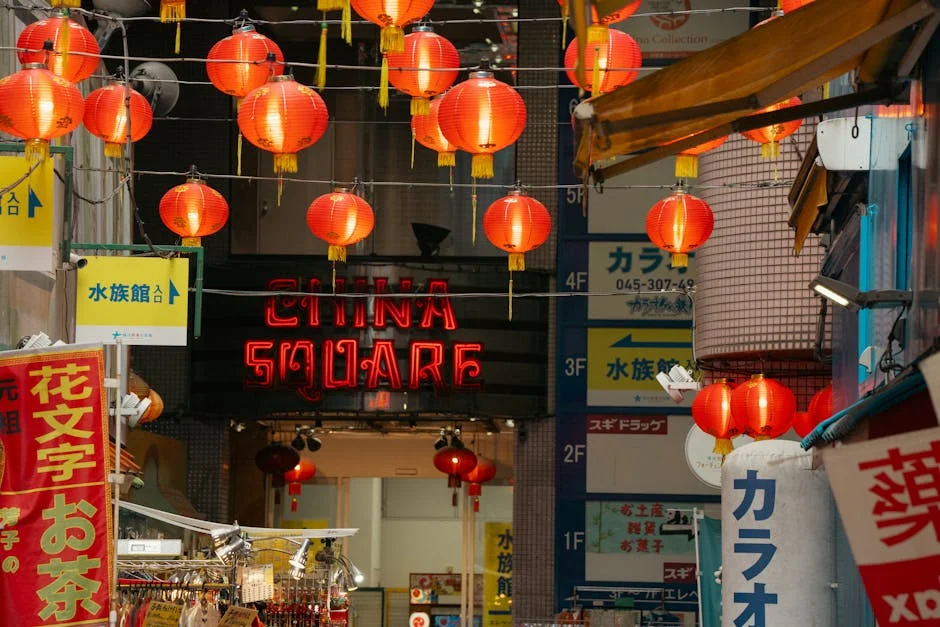
Singapore’s position as a luxury hub in Asia makes it a critical node in this new supply chain. Local retailers are fast-tracking procurement agreements with these Indian designers. The speed at which inventory moves from New York runways to Orchard Road boutiques demonstrates the efficiency of current logistics networks. This rapid turnover reduces holding costs and improves cash flow for Singaporean retail groups.
Market analysts observe that the Met Gala effect often leads to a 15% to 20% increase in export orders within the first quarter following the event. This pattern suggests that early movers in the Singapore market could secure exclusive distribution rights. Such exclusivity allows for premium pricing, which directly boosts profit margins for local distributors. The competition for these rights is intensifying among major regional conglomerates.
Singapore Investment Flows Respond to Indian Luxury Demand

Capital flows into the Indian luxury sector are accelerating. Singaporean private equity firms are increasing their stakes in mid-tier Indian fashion brands that showed strong performance at the gala. This investment strategy aims to capitalize on the growing middle class in India and the aspirational consumer in Southeast Asia. The cross-border investment is structured through joint ventures that leverage Singapore’s tax treaties and legal stability.
Regional Retail Expansion Strategies
Retail expansion plans are being revised to include more flagship stores in key Asian cities. Brands are looking at Singapore, Bangkok, and Jakarta as primary targets for their first international locations. These cities offer high foot traffic and a concentration of high-net-worth individuals. The decision to enter these markets requires significant upfront capital but promises long-term brand loyalty.
The integration of digital sales platforms is also a key focus. Indian brands are partnering with Singapore-based e-commerce giants to reach a broader audience. This digital-first approach allows for data-driven marketing and personalized customer experiences. The synergy between traditional couture and digital innovation is creating new revenue streams for both designers and tech platforms.
Supply Chain Adjustments for Global Reach
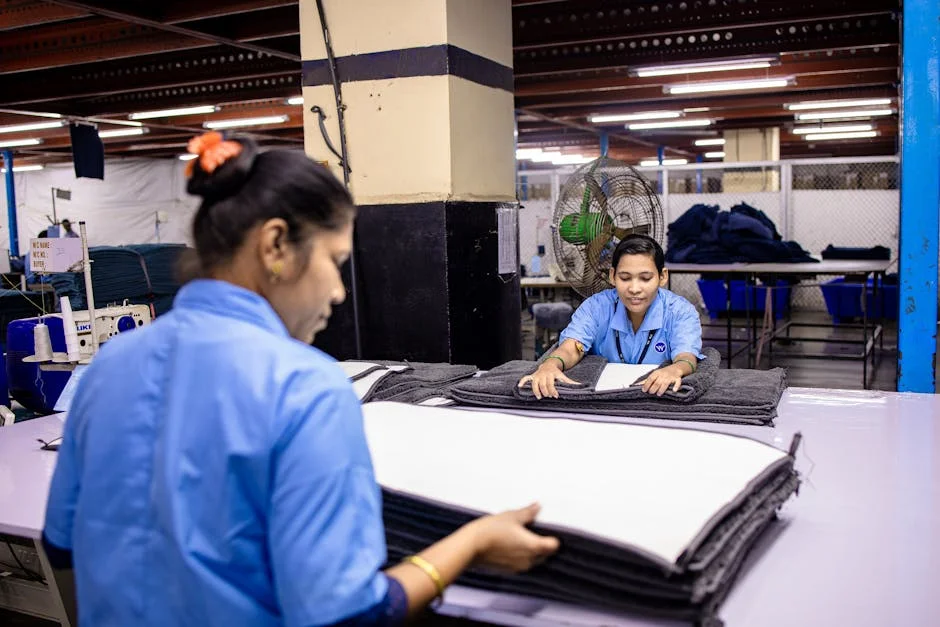
Meeting global demand requires robust supply chain management. Indian manufacturers are upgrading their production facilities to meet international quality standards. This includes investing in sustainable fabrics and efficient dyeing processes. These upgrades are essential for securing long-term contracts with global retailers who prioritize sustainability and speed.
Singapore’s logistics infrastructure plays a vital role in this process. The port of Singapore serves as a major transit hub for textiles and finished garments moving between India and the rest of the world. Efficient customs clearance and warehousing services reduce lead times for international shipments. This efficiency is a competitive advantage for brands that can deliver products quickly to global markets.
Investors are closely watching the cost structures of these supply chains. Rising raw material prices and labor costs in India could impact profit margins. However, economies of scale and improved technology are helping to offset these increases. The balance between cost and quality will determine which brands can sustain their growth trajectory in the coming years.
Consumer Behavior Shifts in Southeast Asia
The visibility of Indian brands at the Met Gala is influencing consumer preferences in Southeast Asia. Shoppers in Singapore, Malaysia, and Indonesia are showing greater interest in Indian textiles and designs. This trend is driven by social media exposure and the desire for unique, artisanal products. Brands that can effectively communicate their heritage and craftsmanship are gaining market share.
Local retailers are responding by curating collections that feature these Indian labels. Department stores in Singapore are dedicating more floor space to Indian fashion. This physical presence helps to build brand awareness and encourages impulse purchases. The tactile experience of trying on garments remains important for high-end fashion consumers.
Demographic data indicates that younger consumers are particularly receptive to Indian fashion. This generation values authenticity and sustainability, which are key selling points for many Indian brands. Marketing campaigns are being tailored to resonate with these values. Social media influencers in Singapore are playing a crucial role in amplifying the reach of these brands.
Financial Market Reactions and Stock Performance
Stock markets in Mumbai and Singapore have reacted positively to the Met Gala outcomes. Shares of major Indian textile and fashion companies have seen upward trends. This price action reflects investor confidence in the sector’s growth potential. Analysts are raising price targets for companies with strong international presence and brand recognition.
Bond markets are also showing signs of stability. Indian fashion firms with strong balance sheets are issuing bonds to fund their expansion plans. The interest rates on these bonds are competitive, attracting yield-seeking investors from Singapore. This access to capital is crucial for funding marketing campaigns and inventory buildup.
Foreign direct investment (FDI) into the Indian fashion sector is expected to rise. Singapore is a major source of FDI for India, and the fashion sector is becoming an increasingly attractive destination. This investment inflow helps to strengthen the Indian rupee and supports overall economic growth. The synergy between the two economies is creating a favorable environment for business expansion.
Strategic Implications for Regional Businesses
Businesses in the region need to adapt their strategies to capture this opportunity. Retailers should consider forming strategic partnerships with Indian brands to secure exclusive rights. These partnerships can provide a competitive edge in a crowded market. Collaboration can also lead to co-branded products that appeal to a broader audience.
Logistics companies should enhance their services to cater to the specific needs of fashion brands. This includes temperature-controlled storage for delicate fabrics and express delivery options. Providing value-added services can help logistics firms differentiate themselves from competitors. The fashion sector is a high-volume, high-value segment for logistics providers.
Marketing agencies should develop campaigns that highlight the heritage and craftsmanship of Indian brands. Storytelling is a powerful tool in luxury marketing. Agencies that can effectively communicate the unique selling points of Indian fashion will win more contracts. Digital marketing channels offer precise targeting capabilities that can maximize return on investment.
Future Outlook and Market Watch
The momentum generated by the Met Gala 2026 is likely to persist into the next fiscal year. Investors should monitor quarterly earnings reports for signs of sustained growth. Key metrics to watch include export volumes, brand valuation increases, and retail sales data. These indicators will provide insights into the long-term viability of the Indian fashion boom.
Regulatory changes in both India and Singapore could impact the sector. Tax policies, import duties, and labor laws are all factors that businesses need to consider. Staying informed about regulatory developments is essential for strategic planning. Companies that are agile and adaptable will be better positioned to navigate potential challenges.
Consumers in Singapore should expect to see more Indian fashion brands entering the market in the coming months. This increased competition could lead to better prices and more variety for shoppers. Retailers are preparing for a busy season as they stock up on popular designs. The fusion of Indian tradition and global trends continues to drive consumer interest and economic activity.
See Also
- ASEAN Defence Ministers Affirm Commitment to Trade — Markets Brace for Impact
- India Braces for Below-Average Monsoon in 2026 — El Nino Effects Loom