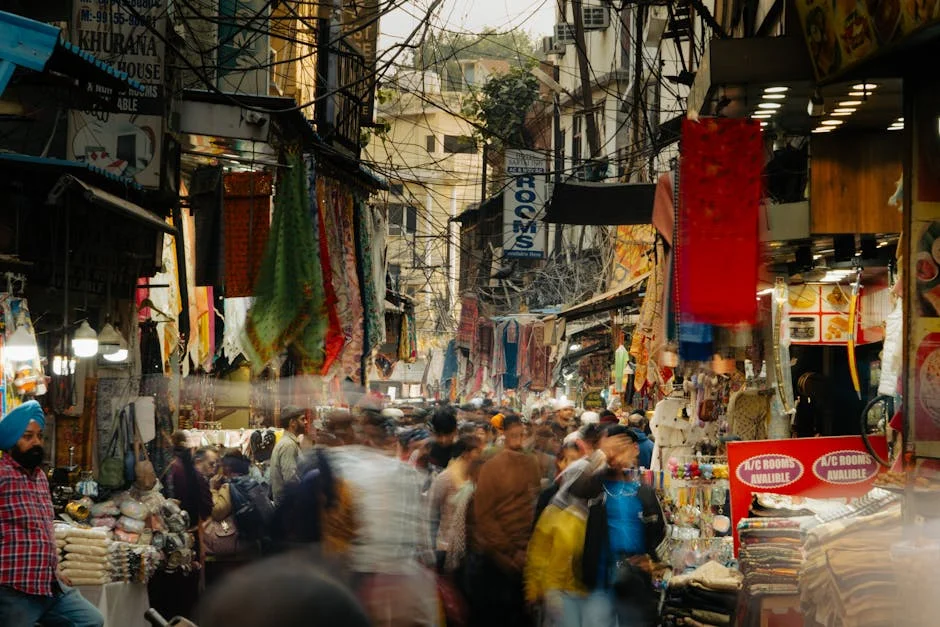
Delhi hit a scorching 47.6 degrees Celsius this week, marking one of the earliest and most intense heatwaves to strike Northern India in recent years. This extreme thermal event is not merely a meteorological curiosity; it represents a tangible economic shockwave that is already rippling through global supply chains and regional markets. For Singaporean businesses and investors, the rising mercury in New Delhi signals immediate disruptions in logistics, manufacturing output, and consumer demand across one of the world’s fastest-growing economies.
Delhi Temperature Spikes and Immediate Economic Disruption
The temperature surge in Delhi has forced the Indian capital into a state of near-standstill. The India Meteorological Department (IMD) confirmed that the heatwave began earlier than the historical average, catching many sectors off guard. Office productivity in the National Capital Region (NCR) has dropped by an estimated 15% as companies implement flexible working hours and shift outdoor labor to the cooler night hours. This immediate loss of productivity translates directly into reduced output for service and manufacturing hubs concentrated in the Delhi metropolitan area.
Energy demand has surged concurrently with the temperature rise. The Power Grid Corporation of India reported a record peak in electricity consumption, straining the national grid. For businesses, this means higher operational costs and the looming threat of rolling blackouts. Investors monitoring the Indian power sector should note that utility companies are facing margin pressures as fuel costs for thermal plants rise to meet the sudden spike in demand. The correlation between temperature and energy spend is becoming a critical variable in quarterly earnings forecasts.
Supply Chain Vulnerabilities for Singaporean Importers


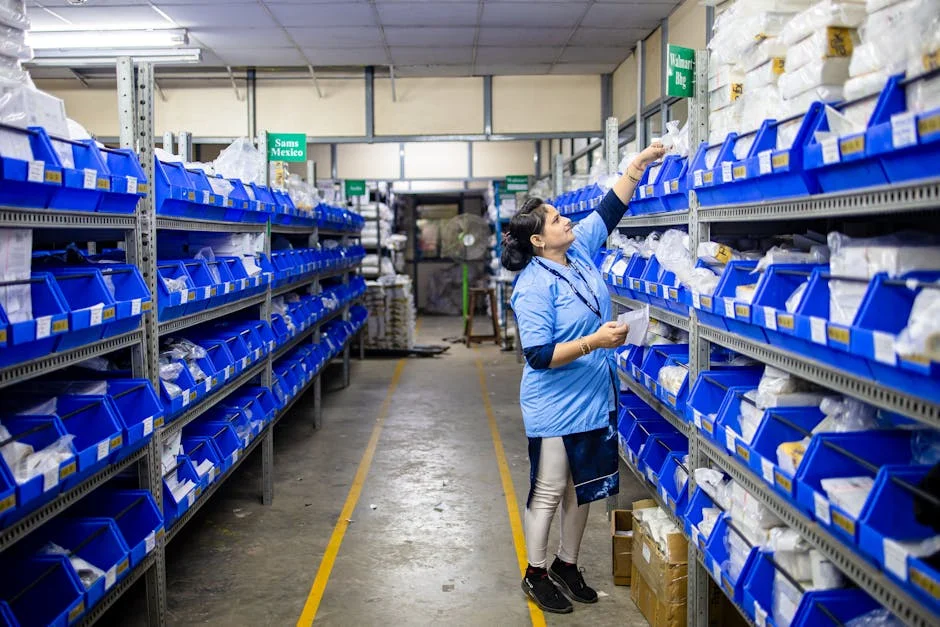
Singapore’s trade relationship with India is deepening, making the island nation increasingly sensitive to logistical bottlenecks in its eastern neighbor. The heatwave in Delhi affects the efficiency of the National Capital Region, a major hub for electronics, textiles, and automotive components. Delays in clearing goods from Delhi’s warehouses and distribution centers are already causing minor ripples in Singaporean retail inventories. Companies relying on just-in-time delivery models are finding themselves vulnerable to these thermal disruptions.
Logistics Bottlenecks and Freight Costs
The impact on logistics is multifaceted. Extreme heat can degrade the quality of perishable goods in transit if cold chain infrastructure fails. It also affects the condition of roads and railways, leading to slower transit times. Singaporean importers of Indian agricultural products, such as basmati rice and spices, may face quality control issues if the heatwave persists into the harvest season. Freight forwarders are beginning to adjust lead times, adding buffer days to account for potential delays in the Delhi-NCR logistics corridor.
Furthermore, the heatwave is driving up insurance premiums for cargo moving through Northern India. Underwriters are reassessing climate risk models, which could lead to higher costs for Singaporean firms importing from the region. This is a subtle but significant cost increase that can erode profit margins if not factored into pricing strategies. Businesses must evaluate their supplier base in Delhi to ensure they have contingency plans for climate-induced logistical friction.
Investor Perspective: Sectoral Winners and Losers
For Singaporean investors with exposure to the Indian market, the heatwave creates distinct sectoral opportunities and risks. The energy sector, particularly companies involved in solar power and energy efficiency solutions, stands to benefit from the increased urgency for grid modernization. Investors should watch for increased capital expenditure announcements from Indian utility firms looking to diversify their energy mix away from heat-intensive thermal plants. This shift aligns with India’s broader renewable energy goals and offers long-term growth prospects.
Conversely, the construction and outdoor labor-intensive sectors face immediate headwinds. Project timelines in Delhi and surrounding states are likely to extend, leading to cost overruns for real estate developers and infrastructure firms. Singaporean investment funds holding stakes in Indian infrastructure projects should monitor project update reports for mentions of "weather-related delays." These delays can impact cash flow and return on investment timelines, requiring a more conservative valuation approach for near-term earnings.
The consumer goods sector also presents a mixed picture. While demand for air conditioners and cooling appliances will surge, boosting sales for electronics retailers, the broader consumer spending power may be squeezed by higher utility bills. This dynamic could lead to a trade-off in consumer behavior, where discretionary spending on non-essential goods decreases as households prioritize energy costs. Investors should analyze sales data from major Indian retail chains to gauge the net effect on consumer sentiment.
Broader Macroeconomic Implications for India
The heatwave is not an isolated incident but part of a broader trend of climate volatility in India. The Reserve Bank of India (RBI) is closely monitoring the impact of extreme weather on inflation and growth. Higher energy costs can feed into the producer price index, potentially leading to higher inflation rates. This could force the RBI to maintain a hawkish monetary policy stance, keeping interest rates higher for longer to tame price pressures. For Singaporean bond investors, this means Indian government bonds may offer attractive yields but come with increased interest rate risk.
Agricultural output is another critical variable. The heatwave in Delhi often coincides with heat stress in key agricultural belts in Northern India. If the heat persists, it could affect the yield of winter crops, leading to higher food prices domestically. This inflationary pressure can impact the purchasing power of Indian consumers, affecting demand for imported goods, including those from Singapore. Singaporean exporters should monitor Indian food inflation data as a leading indicator of consumer demand shifts.
Corporate Adaptation and Business Continuity
Indian companies are rapidly adapting to the new thermal reality. Many firms in Delhi are investing in green buildings and energy-efficient technologies to reduce their carbon footprint and operational costs. Singaporean business partners should look for these adaptations as indicators of long-term resilience. Companies that proactively manage climate risk are likely to outperform their peers in the coming years. This includes firms that have diversified their supply chains to reduce dependency on single geographic locations.
Business continuity plans are being updated to include climate scenarios. For Singaporean multinationals with operations in India, this means conducting heat stress audits of their facilities and workforce. Ensuring that employees in Delhi and other hotspots have adequate cooling and hydration can maintain productivity levels. This is not just a human resource issue but a strategic operational one that affects bottom-line performance. Companies that fail to adapt may face higher turnover rates and lower output during peak heat months.
Long-Term Climate Risk and Investment Strategy
The Delhi heatwave serves as a stark reminder of the long-term climate risks facing emerging markets. Singaporean investors need to integrate climate risk analysis into their investment decision-making process. This includes assessing the physical risks to assets, such as real estate and infrastructure, as well as the transitional risks associated with the shift to a greener economy. Tools such as carbon pricing models and climate stress tests can help investors quantify these risks and adjust their portfolios accordingly.
Furthermore, the heatwave highlights the importance of diversification. Over-reliance on a single market or region can expose investors to concentrated climate risks. Singaporean firms should consider diversifying their supply chains across different climate zones to mitigate the impact of extreme weather events. This could involve sourcing from Southern India or other countries in Southeast Asia that may have different climate vulnerabilities. Diversification is a key strategy for building resilience in an increasingly volatile global economy.
Monitoring Key Indicators
Investors and businesses should monitor specific indicators to gauge the evolving impact of the heatwave. These include daily temperature readings in Delhi and surrounding states, electricity consumption data from the Power Grid Corporation, and inflation figures released by the RBI. Additionally, tracking corporate earnings reports from Indian companies for mentions of "weather-related costs" can provide early signals of financial impact. Staying informed about these metrics allows for more agile and data-driven decision-making.
What to Watch Next
The coming weeks will be critical in determining the long-term economic impact of this heatwave. Investors should watch for the release of the IMD’s quarterly climate report, which will provide detailed analysis of temperature trends and their economic implications. Additionally, the RBI’s next monetary policy meeting will be closely scrutinized for any signals regarding inflation and interest rates. Singaporean businesses should also monitor supply chain updates from key Indian suppliers to anticipate any further logistical disruptions. Proactive monitoring and adaptation will be key to navigating the economic consequences of India’s intensifying heat.
See Also
- Nissan Launches New Leaf with Pricing — Deliveries Delayed in Singapore Market
- England Rugby Squad Shifts Trigger $40M Broadcast Value Surge
Monitoring Key Indicators Investors and businesses should monitor specific indicators to gauge the evolving impact of the heatwave. This inflationary pressure can impact the purchasing power of Indian consumers, affecting demand for imported goods, including those from Singapore.