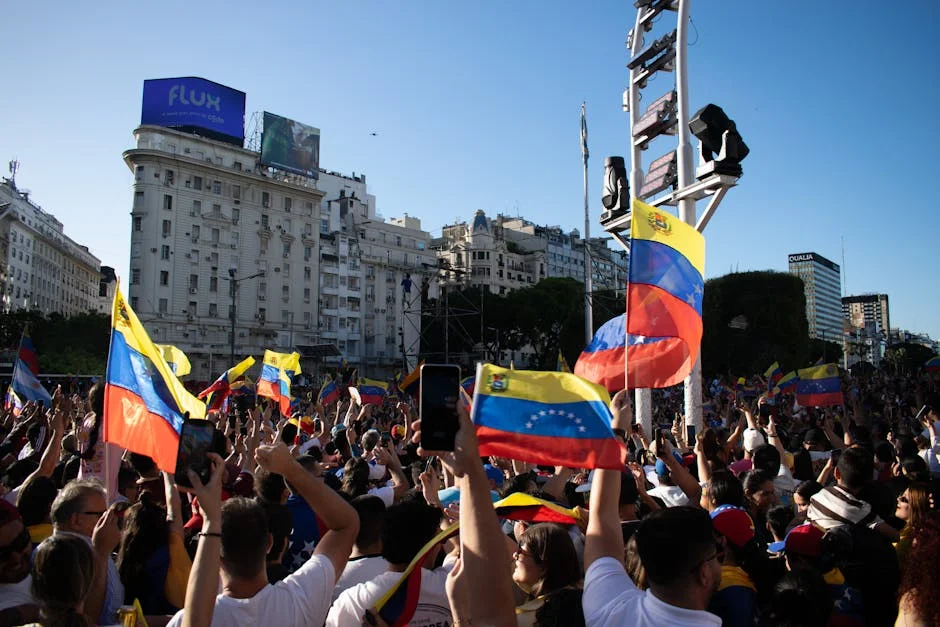
Indian Prime Minister Narendra Modi met with Venezuelan Vice President Delcy Rodriguez in New Delhi on Tuesday, placing a potential energy partnership at the centre of bilateral discussions. The meeting signals India's push to diversify its oil import sources while Venezuela grapples with international sanctions that have squeezed its petroleum sector for years.
Talks centre on energy cooperation
The two leaders discussed expanding energy ties during the hour-long meeting at the Prime Minister's residence. Rodriguez arrived in the Indian capital as head of a high-level Venezuelan delegation, with petroleum cooperation the stated priority. Neither side released specific production targets or investment figures following the talks, though both governments confirmed a joint working group would examine potential areas for collaboration.
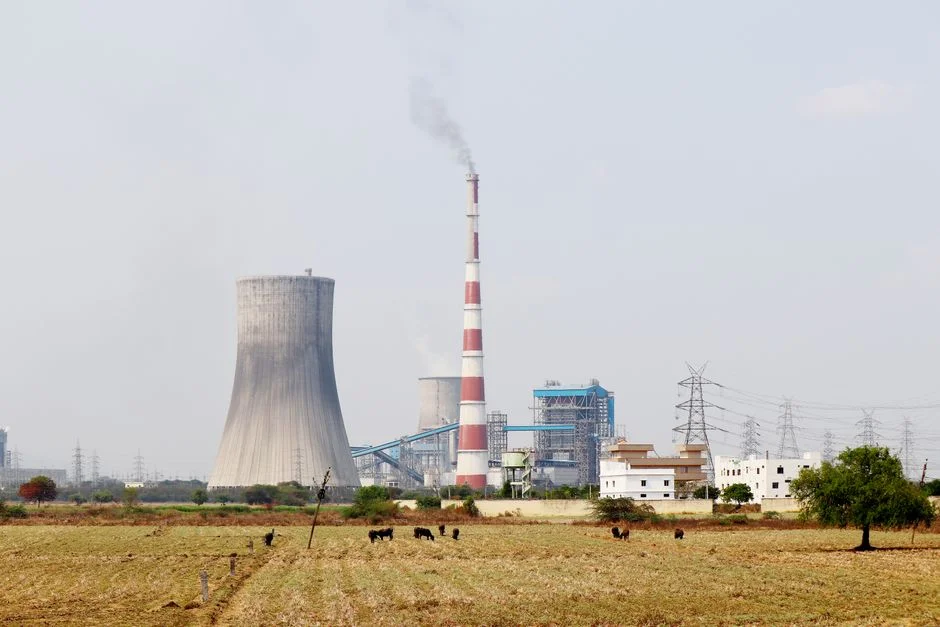
The meeting carries weight because Venezuela holds the world's largest proven oil reserves, estimated at more than 300 billion barrels. India, the world's third-largest oil importer, has been actively seeking stable long-term supply agreements to reduce its dependence on Middle Eastern producers.
Why this matters for India's energy security
India imports roughly 85 percent of its crude oil needs, with the bulk coming from Iraq, Saudi Arabia, and the UAE. Energy security has been a cornerstone of Modi's foreign policy, and the Venezuela meeting reflects an effort to spread supplier risk across multiple regions. The South American nation has previously been a minor oil supplier to India, but volumes dropped sharply following US sanctions and the collapse of Petroleos de Venezuela's output.
For Indian refiners, a renewed Venezuelan supply relationship could translate into cheaper heavy crude grades suitable for processing in the country's west coast refineries. Industry sources told local media that state-owned refiners were already studying the logistics of resuming Venezuelan imports.
Sanctions remain a complicating factor
US sanctions on Venezuela's oil sector have deterred many international buyers, though India has navigated similar restrictions in its energy trade with Iran. The Venezuelan delegation did not address sanctions directly during Tuesday's meeting, and analysts say any commercial deals would require careful structuring to avoid secondary sanctions exposure for Indian firms.
Market and investor implications
The energy sector dominated the agenda, but both governments discussed broader economic cooperation, including potential mineral trade and agricultural exports. Venezuelan officials highlighted their country's vast iron ore and gold reserves as areas of mutual interest.
For investors, the meeting signals India's willingness to engage with nations outside the Western-aligned bloc, potentially opening doors for Indian infrastructure companies in Venezuela. The South American country has been rebuilding its diplomatic relationships after years of isolation under previous administrations.
Market watchers note that any resolution of Venezuela's political crisis could trigger a surge in foreign investment across the region. India's early engagement positions New Delhi favourably if sanctions ease over the coming years.
What's next for this partnership
The joint working group is expected to deliver preliminary findings within three months. Before then, Indian energy officials will travel to Caracas for technical-level talks on crude specifications, pricing mechanisms, and shipping logistics. The outcome of those discussions will determine whether a formal energy cooperation agreement takes shape.
For now, markets are watching whether the diplomatic warmth translates into actual oil flows. Indian refiners say they need clearer guidance on US policy before committing to long-term Venezuelan purchase agreements. The next signals will come from Washington, where the Treasury Department's Office of Foreign Assets Control oversees sanctions enforcement.
See Also
- OPEC Warns of Oil Supply Crisis as Iran Conflict Hits Middle East Production
- Japan and South Korea Leaders Meet — Markets React