OPEC has issued a stark warning as Middle East oil production plunges due to escalating tensions in Iran, triggering concerns over global energy security. The decline, reported by the Organization of the Petroleum Exporting Countries, comes amid heightened military activity in the region, with Iran’s Ministry of Oil confirming a 12% drop in output since April. This marks the first major disruption to the bloc’s stability in over a decade, raising alarms among investors and policymakers.
OPEC Reports Sharp Decline in Regional Output
The latest OPEC report reveals that Middle East oil production fell to 21.4 million barrels per day in May, the lowest level since 2019. This decline is attributed to both reduced drilling activity and the impact of the ongoing conflict involving Iran. The International Energy Agency (IEA) has confirmed the figures, noting that the drop could worsen if hostilities escalate further. Analysts at the IEA warned that the region’s output could fall by an additional 5% by the end of the year if current conditions persist.
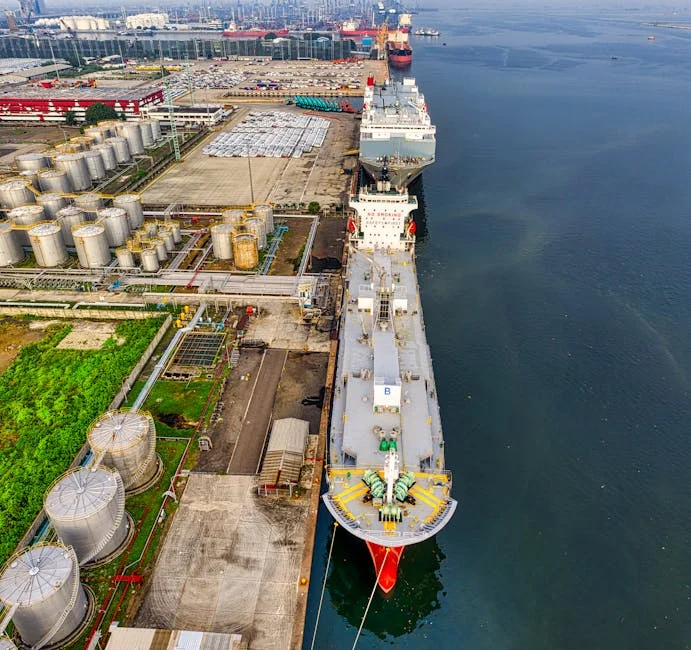
The impact is being felt across the global market. Brent crude prices rose by 4.3% in the week following the report, reaching $87 per barrel. This surge has sparked concerns among energy-dependent economies, particularly in Southeast Asia, where fuel imports account for a significant portion of trade. Singapore’s Energy Market Authority has already begun monitoring the situation closely, given the city-state’s role as a major oil trading hub.
Businesses Face Rising Costs and Supply Chain Risks

Global energy firms are already adjusting to the new reality. ExxonMobil, one of the largest American oil companies, has announced plans to shift some of its Middle East operations to safer locations. The firm’s CEO, Darren Woods, said in a recent statement, “We are closely monitoring the situation and will take necessary steps to ensure the safety of our assets and employees.”
Manufacturers in Southeast Asia, particularly in Malaysia and Indonesia, are also feeling the pressure. The cost of crude oil has pushed up the price of plastics and other raw materials, leading to higher production costs. In Jakarta, the Indonesian Chamber of Commerce has called for government intervention to stabilize fuel prices. “We cannot afford to lose competitiveness in the global market,” said chairman Suryo Djojohadi.
Logistics companies are also preparing for potential disruptions. DHL, a leading global courier, has issued a warning that delays could occur if shipping routes through the Strait of Hormuz are affected. “We are working with our partners to ensure continuity of service,” said a spokesperson for the company. “However, the situation remains highly volatile.”
Investors Seek Stability in a Volatile Market
The uncertainty has led to a sharp increase in volatility on global stock exchanges. The S&P 500 Energy Index fell by 2.1% in the week following the OPEC report, reflecting investor anxiety. Meanwhile, the Shanghai Composite Index saw a 1.5% rise as traders sought safer assets, including gold and government bonds.
Investment firms are advising clients to diversify their portfolios. BlackRock, one of the world’s largest asset managers, has recommended increasing exposure to renewable energy and alternative fuel sources. “The long-term trend toward energy independence is accelerating,” said a BlackRock analyst. “Investors should consider this shift as a strategic move.”
Regional hedge funds are also adjusting their strategies. In Dubai, the Gulf Investment Fund has increased its holdings in natural gas and renewable energy projects. “We believe the energy transition is inevitable,” said fund manager Ahmed Al-Maktoum. “The key is to position ourselves for the future.”
What to Watch Next: OPEC Meeting and Geopolitical Developments
The coming weeks will be critical for both the oil market and the broader economy. OPEC is set to hold an emergency meeting on June 15 to assess the situation and discuss potential supply adjustments. The outcome of this meeting will determine whether the bloc can stabilize prices and prevent further economic disruption.
Meanwhile, the geopolitical landscape remains unpredictable. Iran’s Ministry of Foreign Affairs has warned that any further military action could lead to a wider regional conflict. “We are prepared to defend our national interests,” said Foreign Minister Hossein Amir-Abdollahian in a recent speech. “But we also seek a peaceful resolution.”
For investors and businesses, the next few months will be a test of resilience. As oil prices remain volatile and supply chains face new challenges, the global economy will be closely watching how the Middle East navigates this crisis. The coming weeks could determine whether the region’s energy sector can recover or if the fallout will be felt for years to come.
See Also
- India Unveils Drone War 1.0 — Market Signals Shift
- Faisal Islam warns Iran conflict threatens UK economy
“The long-term trend toward energy independence is accelerating,” said a BlackRock analyst. “The key is to position ourselves for the future.” What to Watch Next: OPEC Meeting and Geopolitical Developments The coming weeks will be critical for both the oil market and the broader economy.
What is the latest news about opec warns of oil supply crisis as iran conflict hits middle east production?
Why does this matter for politics-governance?
What are the key facts about opec warns of oil supply crisis as iran conflict hits middle east production?