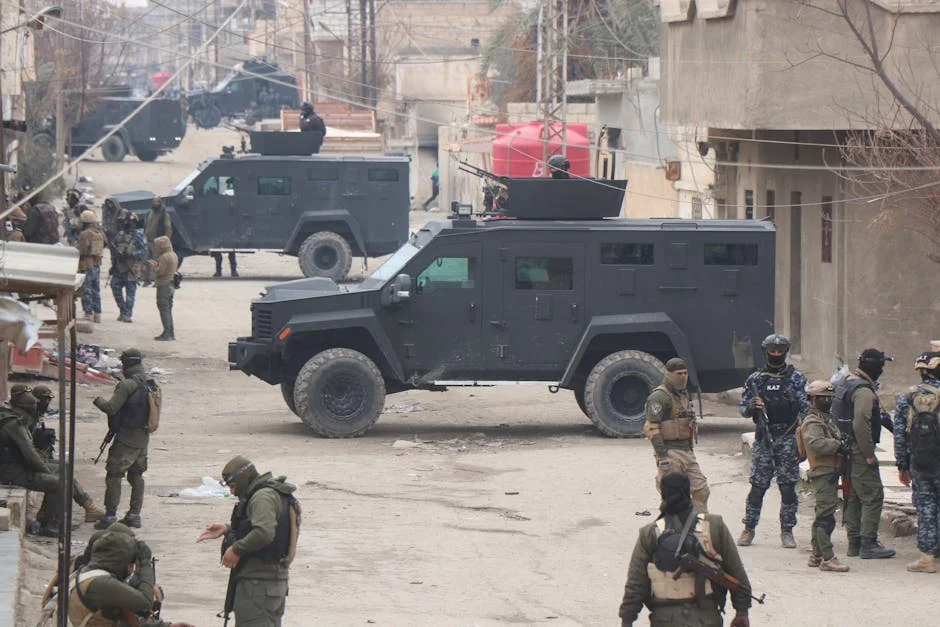
The United States Navy has suspended a $14 billion arms sale to Taiwan, citing escalating military demands in the Middle East. This decision comes as US forces redirect resources to counter Iranian threats near the Strait of Hormuz. The pause introduces immediate uncertainty for regional defense suppliers and investors tracking Asian security spending.
Strategic Shift in US Defense Priorities
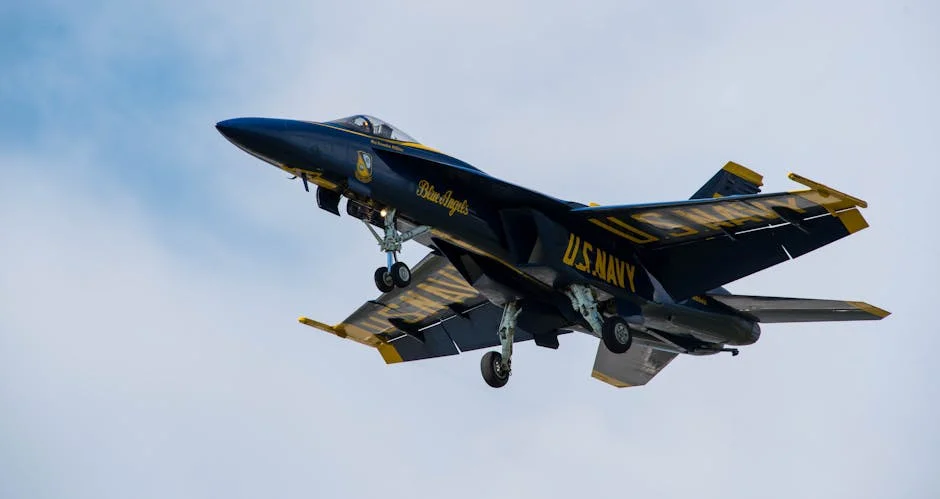
Washington faces a classic allocation problem: limited industrial capacity meets expanding global threats. The US Department of Defense confirmed that the $14 billion package, which includes advanced fighter jets and air defense systems, is on hold. Officials stated that the urgency of the Iran conflict requires immediate deployment of assets that were previously earmarked for Taipei.
This is not the first time geopolitical friction has reshaped US foreign aid. However, the scale of the Taiwan package makes this pause economically significant. The deal was expected to boost US defense contractors and secure a long-term strategic ally in the Pacific. Now, those funds and equipment may remain in the US or be diverted to the Persian Gulf.
The decision reflects a broader trend in US foreign policy. Leaders in Washington are increasingly prioritizing immediate tactical wins over long-term strategic positioning. For investors, this signals that defense contracts are no longer "set and forget" investments. They are now subject to real-time geopolitical shocks.
Impact on Global Defense Markets


The pause sends ripples through the global defense supply chain. Companies like Lockheed Martin and Raytheon, which are key players in the Taiwan deal, face potential revenue delays. Their stock prices may fluctuate as analysts reassess the timeline for deliveries. This uncertainty can dampen investor confidence in the broader aerospace and defense sector.
Beyond the US, other defense exporters see an opportunity. European and Asian manufacturers may step in to fill the gap left by American hesitation. Countries like Germany, France, and South Korea have been actively courting Taiwan with their own arms packages. This shift could alter the competitive landscape in the global defense market.
The ripple effects extend to raw material suppliers. Aluminum, titanium, and rare earth elements are critical for manufacturing these advanced weapons. A delay in US orders could lead to price volatility in these commodities. This, in turn, affects mining companies and traders worldwide, including those in Southeast Asia.
Regional Security Implications
Taiwan's security is closely tied to the stability of the Asia-Pacific region. The US arms sale was designed to bolster Taipei's deterrence against its main neighbor, China. Pausing the deal weakens this deterrent, at least in the short term. This could embolden Chinese military maneuvers in the Taiwan Strait.
For Singapore and its neighbors, this development adds a layer of complexity. The region relies on a delicate balance of power to maintain trade routes and economic growth. Any shift in the US-China dynamic has direct implications for regional security. Singapore, in particular, monitors these developments closely given its reliance on maritime trade.
The Iranian conflict itself poses direct risks to global trade. The Strait of Hormuz is a critical chokepoint for oil and gas shipments. If tensions escalate, shipping costs could rise, impacting inflation in import-dependent economies like Singapore. This connection between Middle East politics and Asian economics is a key consideration for investors.
Economic Risks for Singapore
Singapore’s economy is highly sensitive to global trade flows. Disruptions in the Middle East can lead to higher fuel prices, which increase logistics costs for Singaporean businesses. The pause in the Taiwan arms sale adds to this uncertainty by signaling a less predictable geopolitical environment. Investors must factor in these risks when planning for the coming quarters.
The Singaporean government is likely monitoring the situation closely. The Ministry of Foreign Affairs has emphasized the importance of a stable Indo-Pacific region. Any escalation involving the US, China, and Iran could necessitate diplomatic adjustments. For Singaporean firms, this means preparing for potential supply chain disruptions and currency fluctuations.
The Role of the US Senate
The US Senate plays a crucial role in approving major arms sales. The $14 billion Taiwan package requires legislative approval before it can be finalized. The pause gives Senate members time to reassess the deal in light of the Iran situation. This legislative delay adds another layer of uncertainty for defense contractors and Taiwan.
Senate debates often reflect broader political divisions. Some senators may argue that the Iran conflict is a temporary distraction and that the Taiwan deal should proceed. Others may agree that resources should be redirected to the Middle East. The outcome of these debates will shape the future of US-Taiwan military relations.
For investors, tracking Senate votes provides valuable insights. Legislative actions can signal shifts in US foreign policy priorities. Understanding these dynamics helps investors anticipate changes in defense spending and regional alliances. This is particularly important for those with exposure to Asian markets.
Investment Perspective for SG Readers
For Singaporean investors, this event highlights the interconnectedness of global markets. Decisions made in Washington and Tehran have direct implications for investment portfolios in Asia. Diversification is key to managing these risks. Investors should consider spreading their holdings across different sectors and regions to mitigate the impact of geopolitical shocks.
Defense stocks may offer both opportunities and risks. While some companies face delays, others may benefit from increased spending in the Middle East. Understanding the specific beneficiaries of these shifts is crucial. This requires close monitoring of company earnings reports and government procurement announcements.
Commodity markets are another area to watch. Oil prices are likely to remain volatile due to the Iran conflict. This affects everything from transportation costs to consumer inflation. Investors with exposure to energy sectors or consumer goods should prepare for potential price swings.
Long-Term Strategic Outlook
The pause in the Taiwan arms sale is likely a temporary measure. However, it signals a potential shift in US strategic priorities. If the Iran conflict drags on, the US may need to reallocate resources more permanently. This could have long-term implications for the balance of power in the Asia-Pacific region.
Taiwan will need to adjust its defense strategy in response. The island nation may accelerate its own defense industrial base or seek alternative partners. This could lead to new investment opportunities in Taiwan's technology and manufacturing sectors. Investors should monitor these developments for potential alpha.
For the US, the challenge is managing multiple fronts without overextending. Balancing the Iran conflict with the Taiwan situation requires careful diplomatic and military planning. The outcome will shape the global order for years to come. This is a critical period for observers of international relations and global markets.
What to Watch Next
Investors and policymakers should closely monitor the US Senate's upcoming votes on the arms sale. These votes will provide clarity on the timeline for the deal. Additionally, watch for updates on the military situation in the Strait of Hormuz. Any escalation could trigger further shifts in US defense spending.
Singaporean businesses should prepare for potential volatility in oil prices and shipping costs. Supply chain resilience will be key to navigating these uncertainties. Investors should also keep an eye on defense contractor earnings reports for insights into the impact of the pause. The coming months will be critical for understanding the long-term economic consequences of these geopolitical shifts.
See Also
- Putin Urges Hungary to End Ukraine War — and Budapest Listens
- Senate GOP Unveils $70B Plan to Fund Border Agencies Amid Shutdown Threat
The Ministry of Foreign Affairs has emphasized the importance of a stable Indo-Pacific region. The Role of the US Senate The US Senate plays a crucial role in approving major arms sales.
What is the latest news about us navy halts 14bn taiwan arms sale over iran war?
Why does this matter for politics-governance?
What are the key facts about us navy halts 14bn taiwan arms sale over iran war?