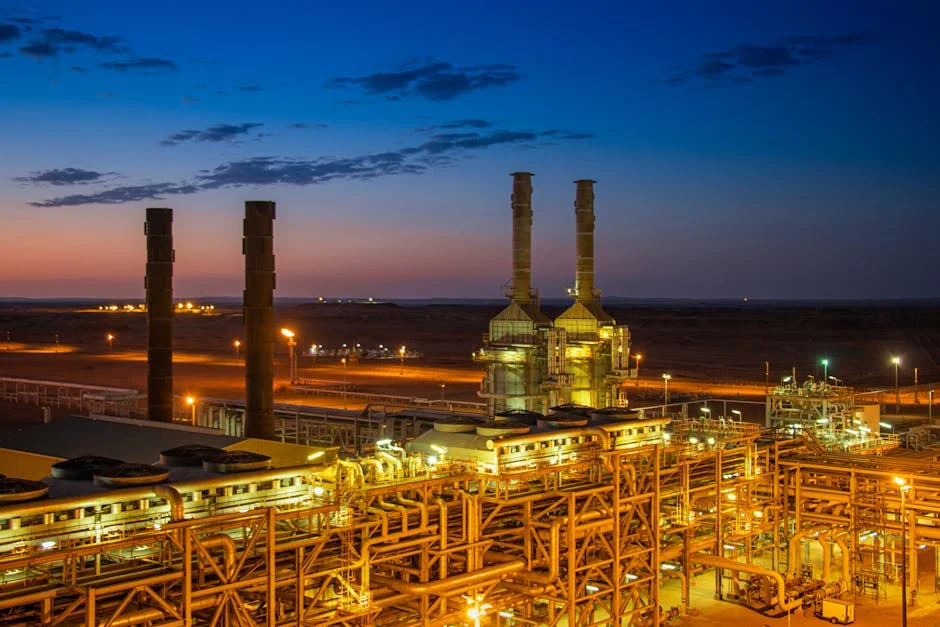
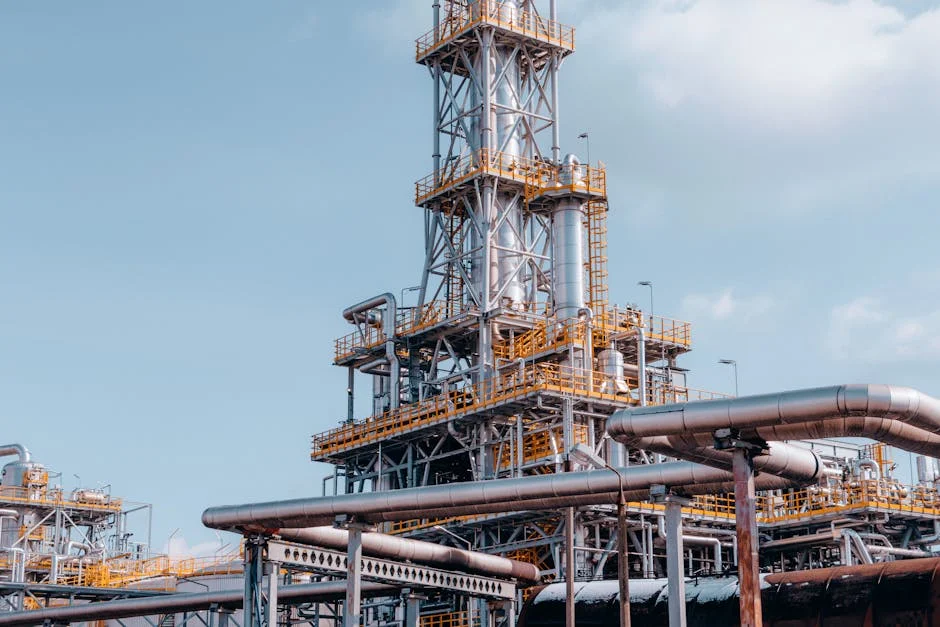
Iran’s strategic push to restructure its gas industry is reshaping investment landscapes across the Middle East and beyond. The government is moving swiftly to implement a windfall profit tax, aiming to capture value from soaring global energy prices. This policy shift directly impacts multinational corporations operating in Tehran and signals a broader economic recalibration for regional markets.
Iran’s Strategic Pivot on Gas Profits
The Iranian government has identified the natural gas sector as a primary engine for economic recovery. With global benchmarks fluctuating, the state seeks to maximize revenue from its vast reserves. This move is not merely fiscal; it is a structural adjustment designed to reduce dependency on oil exports. The Ministry of Petroleum has outlined specific targets for revenue generation, signaling a clear intent to monetize underutilized assets.

Investors in the region are watching Tehran closely for signs of policy consistency. The introduction of a windfall tax implies that the state views current profit margins as temporary anomalies rather than long-term norms. This perspective creates uncertainty for long-term capital allocation. Companies must now factor in potential tax liabilities when modeling future returns on investment. The political will behind this reform suggests that delays may cost more than immediate implementation.
Market Reactions and Investor Sentiment


Financial markets in Singapore and Dubai have responded with cautious optimism. Traders recognize that a stabilized Iranian gas market can reduce volatility in regional supply chains. However, the immediate effect of a windfall tax is often a compression of net margins for operators. This compression forces firms to optimize costs or renegotiate terms with local partners. The risk premium for Iranian assets may rise as investors price in policy uncertainty.
Multinational energy firms face a complex decision matrix. On one hand, the Iranian market offers access to some of the world’s largest gas reserves. On the other hand, the regulatory environment remains unpredictable. A windfall tax introduces a variable cost that can erode profitability if not managed effectively. Companies with strong balance sheets may absorb the shock, while smaller players might seek exit strategies. This dynamic could lead to consolidation within the sector, favoring larger, more agile operators.
Implications for Regional Energy Security
For neighboring countries, Iran’s gas reforms have direct implications for energy security. Nations like Pakistan and Iraq rely on Iranian gas to meet domestic demand. Any disruption in production or pricing due to tax reforms could ripple through these markets. The stability of the Iranian gas output is therefore a regional concern, not just a national fiscal matter. Policymakers in Islamabad and Baghdad are likely monitoring these developments with heightened attention.
The potential for increased investment in infrastructure is another key outcome. If the windfall tax generates sufficient revenue, the Iranian government can reinvest in aging pipelines and processing facilities. This reinvestment could boost production capacity, thereby enhancing supply reliability for export markets. Such improvements would benefit downstream industries that depend on consistent gas flows. The long-term gain in infrastructure quality may outweigh the short-term fiscal burden on operators.
Business Strategies in a Tax-Heavy Environment
Businesses operating in Iran must adapt their financial models to account for the new tax regime. This requires a detailed analysis of cost structures and revenue streams. Firms need to identify areas where efficiency gains can offset the additional tax burden. Strategic partnerships with local entities may also provide tax advantages or shared risk exposure. The ability to navigate this complex fiscal landscape will determine competitive advantage.
Supply chain resilience becomes a critical factor. Companies must ensure that their suppliers can withstand potential price adjustments resulting from the tax. This might involve long-term contracting or vertical integration to secure stable input costs. The focus shifts from pure volume growth to margin protection. Businesses that fail to adjust may find themselves squeezed between rising costs and fixed pricing mechanisms. Proactive management of these variables is essential for sustained profitability.
Economic Consequences for the Iranian Economy
The Iranian economy stands to gain from a more diversified revenue base. Reducing reliance on oil allows for greater fiscal flexibility during periods of oil price volatility. The windfall tax on gas profits provides a buffer against external shocks. This fiscal stability can support social spending and infrastructure development. The government’s ability to deliver on these promises will influence public sentiment and political stability.
However, the effectiveness of the tax depends on accurate valuation of gas profits. If the tax base is too narrow, revenue gains may be modest. If it is too broad, it could discourage investment and stifle production growth. Finding the right balance is a delicate task for policymakers. The Ministry of Petroleum must collaborate with financial experts to design a tax structure that captures value without stifling incentives. This technical challenge is as important as the political decision to implement the tax.
Investment Perspectives for Global Capital
Global investors view Iran’s gas sector as a high-risk, high-reward opportunity. The potential for significant returns exists, but it is contingent on political and economic stability. The introduction of a windfall tax adds a layer of complexity to the risk assessment. Investors must evaluate the credibility of the Iranian government’s fiscal management. This evaluation includes analyzing past policy implementations and current economic indicators.
Diversification of investment portfolios is a common strategy in this context. Allocating a portion of capital to Iranian gas assets can provide exposure to a growing market. However, this allocation should be balanced with other regional investments to mitigate country-specific risks. The key is to identify projects with strong fundamentals and robust contractual protections. These protections can shield investors from sudden policy changes or currency fluctuations. A disciplined approach to risk management is crucial for long-term success.
Regulatory Frameworks and Compliance
The regulatory framework governing the windfall tax is still evolving. Companies must stay informed about legislative changes and interpretive guidelines. Compliance costs may increase as firms adapt to new reporting requirements and tax calculations. Legal expertise is essential to navigate the complexities of the Iranian tax code. Firms that invest in strong compliance infrastructure will be better positioned to avoid penalties and disputes. This proactive approach can also enhance relationships with regulatory bodies.
Transparency in tax administration is another critical factor. Investors need clear and consistent communication from the government regarding tax assessments and collections. Ambiguity can lead to disputes and delays in revenue recognition. The Iranian government must demonstrate a commitment to transparency to build investor confidence. This includes publishing detailed reports on tax revenues and expenditures. Such transparency can reduce uncertainty and encourage further investment in the gas sector.
Future Outlook and Key Milestones
The implementation of the windfall tax is expected to proceed in phases. This phased approach allows for adjustments based on initial results and feedback from stakeholders. Investors should monitor the first round of tax assessments to gauge the government’s approach. These early indicators will provide valuable insights into the long-term trajectory of the policy. The timing of the final legislative approval will be a key milestone to watch.
Market participants should prepare for potential volatility in the near term. As companies adjust to the new tax regime, there may be fluctuations in production levels and pricing. This volatility presents both risks and opportunities for agile investors. Those who can quickly adapt to changing conditions will be well-positioned to capitalize on emerging trends. The coming months will be critical in determining the success of Iran’s gas sector reforms.
Readers should track the official announcement from the Ministry of Petroleum regarding the final tax rate. This decision will be made in the next quarter, providing clarity on the financial impact on major operators. Monitoring the reaction of key international energy firms will also offer insights into market sentiment. The convergence of policy clarity and corporate response will define the next phase of Iran’s energy market evolution.
See Also
- Modi Faces Market Scrutiny After Helle Lyng’s Question
- US, Israel Strike Over 15,000 Targets in Iran War: What It Means for Markets