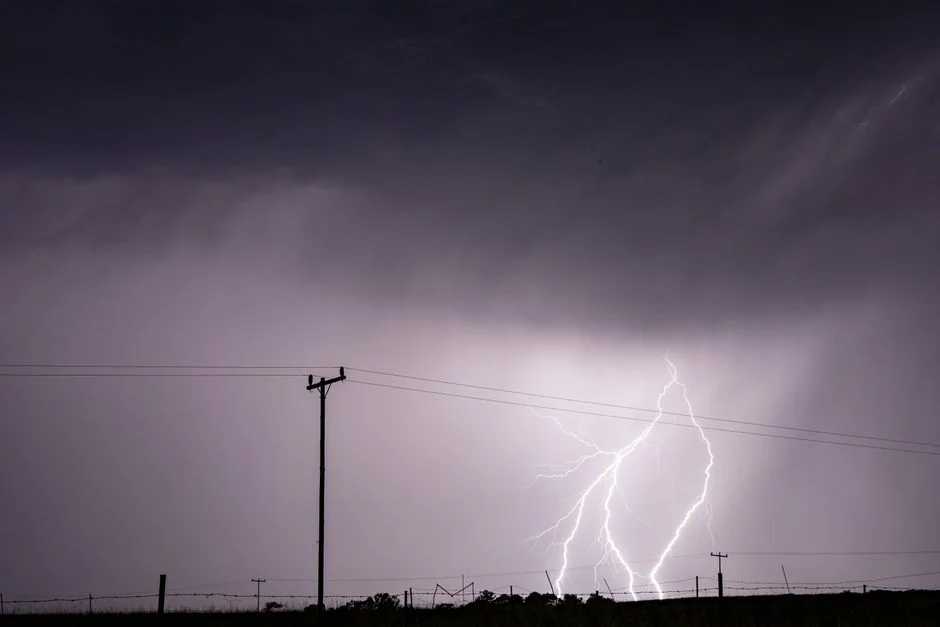
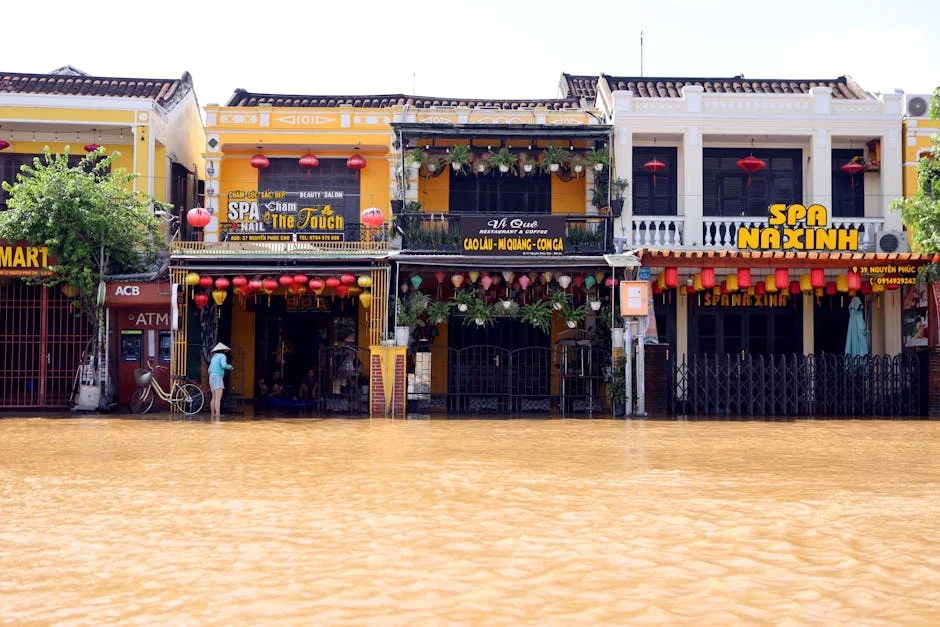
Typhoon Jangmi churned toward Japan on Monday, bringing severe weather risks to major population centres while a relentless heat wave scorched much of Europe, creating twin pressure points for regional economies and global supply chains. The storm, currently located over the Philippine Sea, is tracking northward and expected to make landfall within 72 hours, threatening infrastructure, disrupting logistics, and testing disaster response systems already stretched by extreme weather events worldwide.
Japan Faces Direct Strike
The Japan Meteorological Agency confirmed Typhoon Jangmi was maintaining sustained winds of 150 kilometres per hour as it approached the country's southern regions. Forecast models showed the storm potentially crossing the island of Kyushu before moving northeast toward the main island of Honshu, where Tokyo and surrounding prefectures contribute roughly 30 percent of national economic output. Emergency management officials in Osaka urged businesses to secure inventory and suspend non-essential operations during the peak impact window, expected Tuesday night through Wednesday morning.

Industrial and Supply Chain Risks
Japan's semiconductor manufacturing sector faces particular exposure.Factories in Kyushu produce a significant share of the world's memory chips and display panels. Any flooding or power disruption at these facilities could ripple through global electronics supply chains already contending with uneven demand recovery. The Japan Semiconductor Industry Association has not issued public statements regarding contingency plans, but industry sources indicated manufacturers were monitoring conditions closely. Automotive plants operated by Toyota, Nissan, and Honda across the projected path have begun adjusting production schedules, though formal shutdowns had not been announced as of Monday afternoon.
Shipping operations at the ports of Kobe, Osaka, and Nagoya face likely disruptions. The Maritime Bureau of Japan's Ministry of Land, Infrastructure, Transport and Tourism advised vessel operators to reroute or delay arrivals. Insurance markets are already pricing increased catastrorophe risk premiums for the region, a trend that could elevate costs for Japanese exporters and importers alike over the coming quarter.
Europe Swelters Under Sustained Heat


While Japan prepared for a tropical storm, European governments grappled with a heat emergency spanning from the Iberian Peninsula to the Balkans. Spain recorded temperatures exceeding 44 degrees Celsius in several southern provinces, prompting the national weather service to extend its highest-level red alert for the third consecutive day. Agricultural workers in Andalusia reported crop damage to olive and citrus yields, with local farming associations estimating losses could reach 15 to 20 percent of seasonal output in the worst-affected districts.
Energy markets reacted sharply. Natural gas futures on the Dutch Title Transfer Facility rose 3.2 percent on Monday as analysts projected increased demand for cooling across the continent. Power grid operators in France and Italy issued warnings about potential supply constraints during peak afternoon hours, reviving memories of the 2022 energy crisis that drove inflation to multi-decade highs. Nuclear power generation in France has been running below capacity this summer due to maintenance delays, leaving the grid more vulnerable to demand spikes.
Economic Crosscurrents
The simultaneous weather events highlight growing interconnectedness in global commodity and insurance markets. Reinsurers Munich Re and Swiss Re are likely to face elevated claims activity from both events, potentially influencing their forward pricing guidance at upcoming industry conferences. For investors tracking Asian equities, Japanese manufacturing stocks face near-term headwinds while European utilities could see temporary earnings boosts from higher energy consumption.
Currency markets showed muted reaction to the weather developments, with the yen holding steady against major counterparts despite concerns about export disruptions. Bank of Japan officials declined to comment on whether storm impacts would influence monetary policy deliberations scheduled for later this month.
Climate Pattern Persistence
Meteorologists attributed the European heat to a persistent high-pressure system parked over the continent, blocking Atlantic weather fronts and trapping warm air masses. This pattern mirrors conditions that drove last summer's devastating wildfires in Greece and Portugal. Scientists at the European Centre for Medium-Range Weather Forecasts noted the frequency of such blocking patterns has increased roughly 40 percent over the past two decades, aligning with long-term climate projections.
What Comes Next
For Japan, the immediate focus is on the 72-hour forecast window. The Japan Meteorological Agency will update its track projections every six hours, and local governments in at-risk prefectures have pre-positioned evacuation resources. Businesses should monitor official advisories and prepare contingency logistics for the Wednesday-Thursday period.
In Europe, the heat wave is expected to ease by Friday as a cold front moves eastward from the Atlantic. However, the agricultural damage assessment in Spain will take weeks to complete, and commodity markets will price in harvest estimates accordingly. Energy traders will watch storage levels closely—if inventories draw down faster than projected, prices could remain elevated through the autumn.
Investors should track insurance sector movements and semiconductor supply chain indicators over the next two weeks. The convergence of extreme weather events in both hemispheres underscores the growing materiality of climate risk in portfolio analysis, a conversation that is likely to dominate earnings calls and investor briefings through the end of the year.
See Also
- Manchester United Retains Casemiro as Campeones Spark Market Surge
- Pentagon Confirms Navy Chief's Departure — Markets Eye Potential Impact
Currency markets showed muted reaction to the weather developments, with the yen holding steady against major counterparts despite concerns about export disruptions. Economic Crosscurrents The simultaneous weather events highlight growing interconnectedness in global commodity and insurance markets.