Tropical storm Jangmi barrelled into Japan this week, knocking out electricity to at least 60,000 households across the country's southern regions. The storm made landfall with sustained winds exceeding 90 kilometres per hour, triggering widespread blackouts and travel disruptions from Kyushu to parts of Honshu. Authorities urged residents in affected areas to seek shelter as emergency crews worked through the night to restore power grids.
Widespread Blackouts Hit Southern Japan
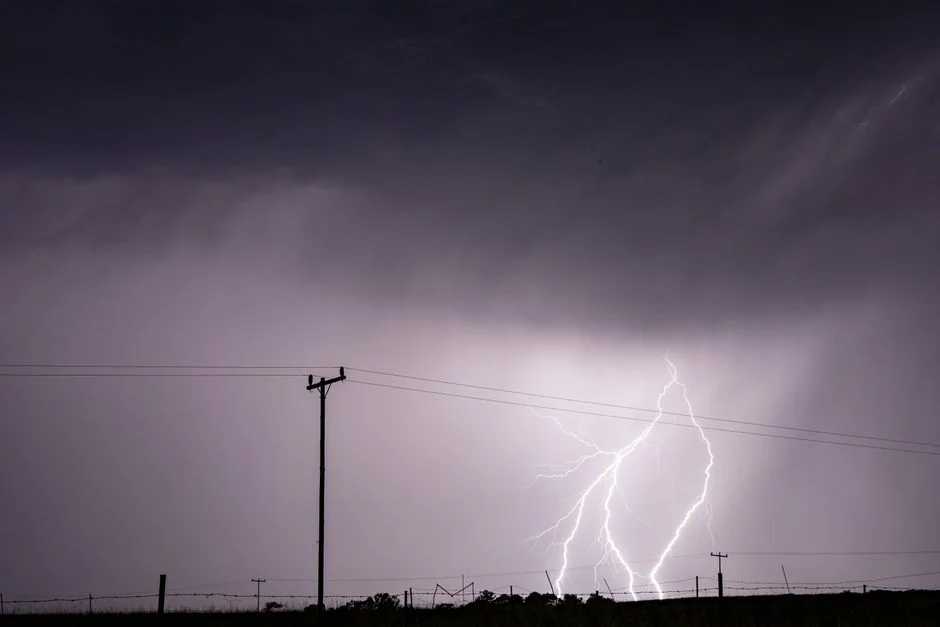
The Japan Meteorological Agency issued its highest storm warning for several prefectures as Jangmi moved northeastward across the archipelago. Local utilities reported substations failing in rapid succession across Kagoshima, Miyazaki, and Oita prefectures. At the peak of the outage, some 60,000 homes sat without electricity for hours, with several thousand still in the dark as of Wednesday morning.
Japan's Ministry of Economy, Trade and Industry confirmed it had activated emergency protocols to coordinate restoration efforts. Power companies deployed crews from unaffected regions to accelerate repairs, though officials warned full restoration could take several days in the hardest-hit rural areas.
Impact on Local Businesses and Industry
Small and medium enterprises bore the brunt of the disruption. Restaurants, convenience stores, and retail outlets across the affected prefectures shuttered early as storm conditions deteriorated. Several manufacturing facilities in industrial zones near Fukuoka reported halting production lines when backup generators failed to cover full operational loads.
The Japan Chamber of Commerce and Industry warned that small businesses already facing rising input costs could suffer significant losses from extended closures. Some establishments reported thousands of dollars in spoiled inventory due to refrigeration failures during the blackout periods.
Supply Chain Ripples Reach Southeast Asia


Japan remains a critical node in global supply chains for electronics, automotive components, and specialty chemicals. Analysts at Maybank noted that the timing of the storm — mid-week — means several just-in-time inventory systems may have missed scheduled deliveries. Component shortages could surface at assembly plants across Asia within the coming fortnight.
Singapore, as a regional logistics hub and major importer of Japanese manufactured goods, stands exposed to potential downstream effects. Shipping schedules through the Port of Yokohama and Osaka experienced delays, which typically translate into later arrival times for transhipment cargo bound for Southeast Asian ports.
Insurers and Markets Brace for Claims
Tokyo-listed insurers saw modest trading activity as investors weighed potential claim volumes. Industry observers estimated property and casualty insurers could face claims in the hundreds of millions of dollars, though the early-stage nature of damage assessments means estimates remain fluid.
The Nikkei 225 showed limited reaction to the storm news during Tuesday's session, with attention remaining fixed on broader monetary policy signals from the Bank of Japan. Market participants noted that the storm's impact, while severe for affected communities, remains too localised to materially shift major equity indices.
Energy Markets Show Minimal Response
Japan's wholesale electricity prices spiked briefly in the spot market as generation units tripped offline during the storm's peak intensity. However, the Japan Electric Power Exchange reported prices normalising within hours as reserve capacity came online. LNG terminals along the western coast reported no significant disruptions, and crude oil futures traded in Tokyo showed negligible movement.
Regional energy traders told reporters that unless the storm causes extended damage to major generation infrastructure, price effects should remain contained. The temporary demand surge from households seeking emergency power — primarily for charging devices and running air conditioning during an unusually warm period — failed to move the needle on forward contracts.
What Singaporeans Should Watch
Singapore's Ministry of Trade and Industry monitors developments in major trading partners as a matter of standard procedure. For businesses with exposure to Japanese suppliers or customers, the immediate concern centres on communication delays and potential shipment backlogs over the next ten to fourteen days.
Investors with holdings in companies deriving significant revenue from Japan — particularly in sectors such as precision engineering, semiconductor equipment, and logistics — should track earnings commentary for any mention of operational disruptions. Several Singapore-listed firms maintain joint ventures or offtake arrangements with Japanese partners, and supply chain friction at the source can cascade rapidly downstream.
Looking ahead, meteorologists tracking Jangmi expect the storm to weaken as it moves into the Pacific Ocean by Thursday. However, the recovery phase in affected Japanese prefectures will demand sustained attention from infrastructure investors and regional trade analysts alike. Watch for updated damage assessments from Japan's Cabinet Office, expected by the end of the week, which should provide clearer estimates of economic impact and government stimulus requirements.
See Also
- IOM Rescues 67,000 Stranded Nigerian Migrants, Boosting Regional Stability
- Blockchain Explodes — and Markets Are Taking Notice
What is the latest news about storm jangmi cuts power to 60000 japanese homes what singaporeans should watch?
Why does this matter for technology-innovation?
What are the key facts about storm jangmi cuts power to 60000 japanese homes what singaporeans should watch?