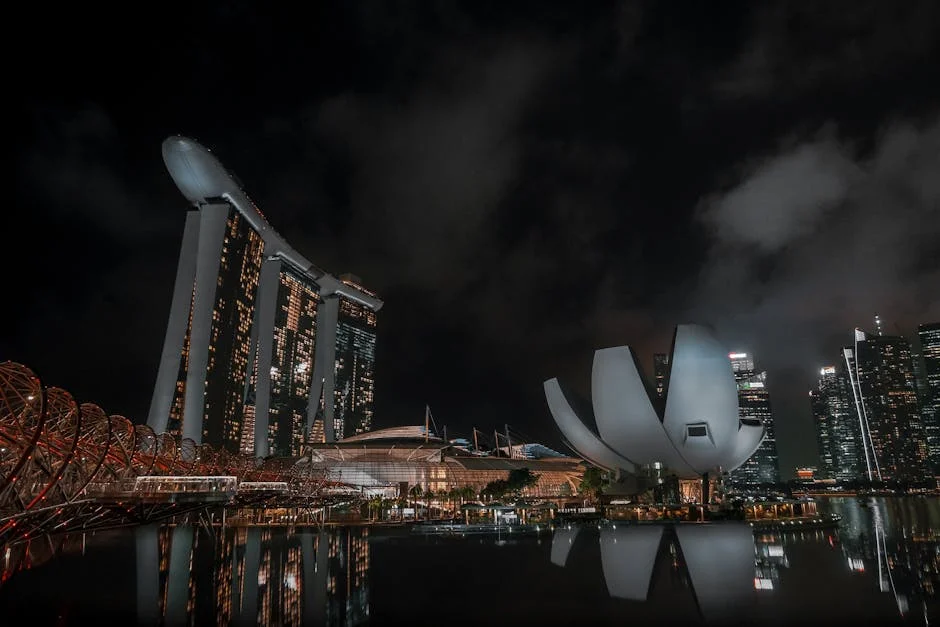
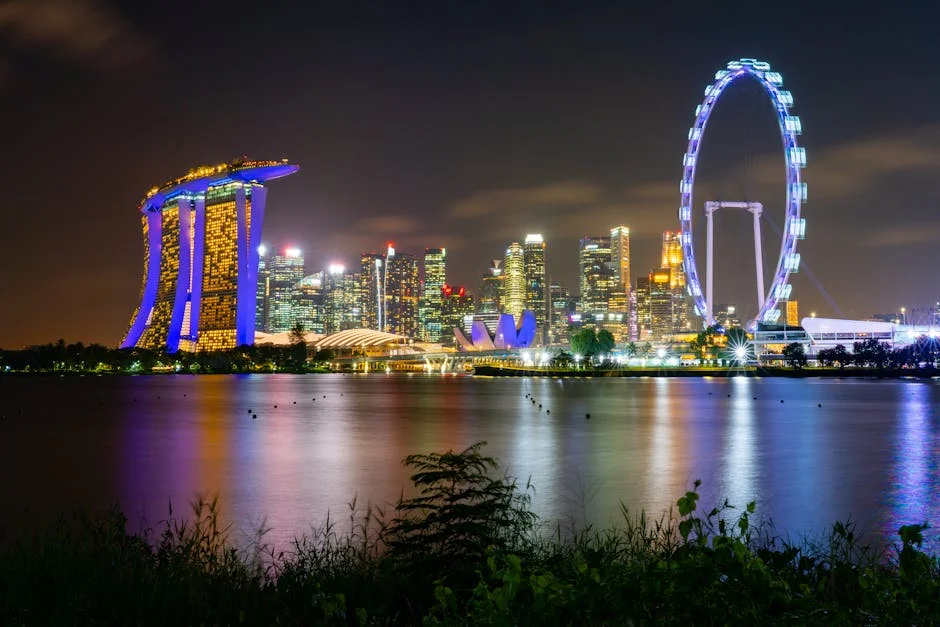
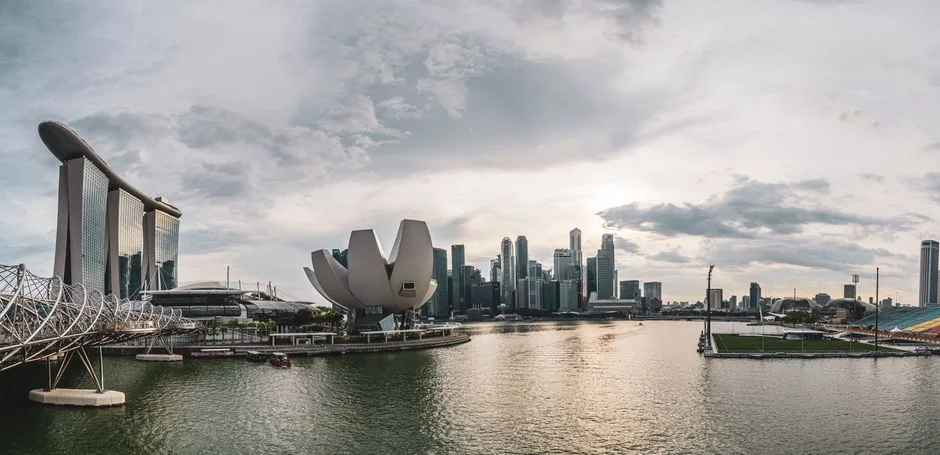
Singapore has launched a groundbreaking digital twin project, aiming to revolutionise urban planning and infrastructure management. The initiative, led by the Smart Nation and Digital Government Office, will create a real-time virtual replica of the city-state to improve decision-making and efficiency. The project, announced on 15 May 2025, marks a major step in Singapore’s long-term vision to become a fully integrated smart city.
What Is a Digital Twin and Why It Matters
A digital twin is a virtual model that mirrors a physical system, allowing for real-time monitoring and simulation. In Singapore’s case, the system will track everything from traffic patterns to energy consumption. The goal is to optimise public services and reduce operational costs. The project is expected to save the government up to $200 million annually by 2030, according to a report by the Infocomm Media Development Authority.
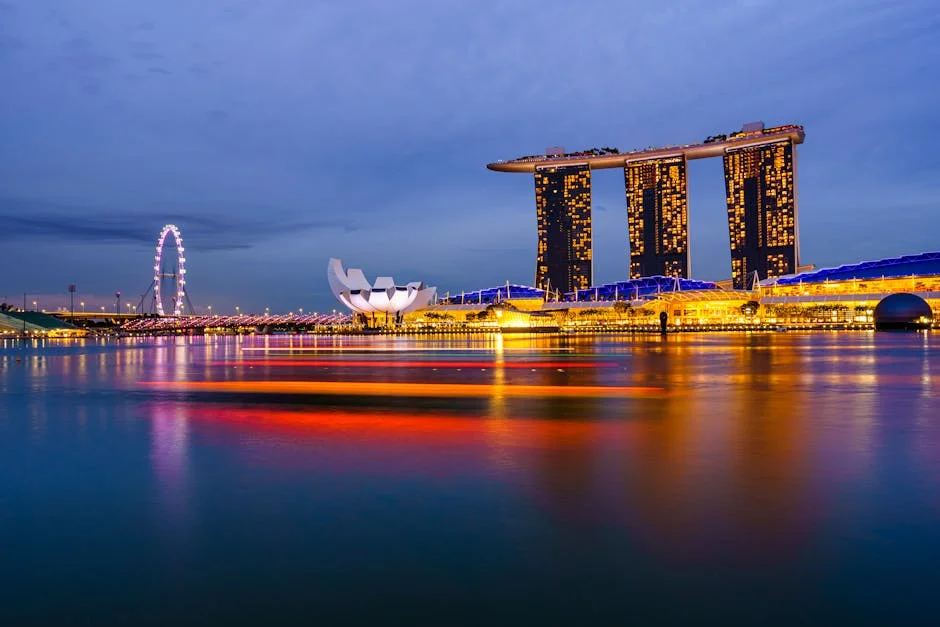
The initiative is part of Singapore’s broader Smart Nation strategy, which has been in development since 2014. The government has already invested over $2 billion in digital infrastructure, and this new project is seen as a critical next phase. “This is not just about technology—it’s about transforming how we live and work,” said Minister for Communications and Information Josephine Teo during the launch event.
Market and Business Implications

The digital twin project is expected to drive demand for advanced data analytics, IoT devices, and cloud computing solutions. Companies such as Huawei, IBM, and local firms like Grab and Singtel are already positioning themselves to benefit from the initiative. The government has announced a $50 million fund to support startups and SMEs developing digital twin-related technologies.
Investors are also taking note. The Singapore Exchange (SGX) has seen a surge in interest in tech stocks, with companies involved in smart infrastructure and AI seeing a 12% rise in share prices since the announcement. “This is a significant opportunity for investors looking to capitalise on the next wave of digital transformation,” said analyst Lim Wei Jing from OCBC Bank.
Challenges and Concerns
Despite the optimism, the project faces several challenges. Data privacy remains a top concern, with critics warning about the potential for misuse of personal information. The Personal Data Protection Commission (PDPC) has already begun drafting new guidelines to ensure compliance with existing laws.
Another challenge is the integration of multiple systems. The digital twin will need to connect with existing government databases, private sector platforms, and international partners. “This is a complex task that requires collaboration across sectors,” said Dr. Tan Hui Ling, a digital policy expert at the National University of Singapore.
Global Comparisons and Lessons Learned
Other cities, such as Helsinki and Dubai, have also implemented digital twin projects, but Singapore’s scale and ambition are unique. Helsinki’s project focuses on urban planning, while Dubai’s aims to enhance tourism and real estate. Singapore’s approach, however, is more holistic, covering everything from traffic to public health.
Experts say Singapore can learn from these cities. “What we see in Helsinki is a model for citizen engagement,” said Dr. Emma Wilson from the University of Cambridge. “Singapore needs to ensure that the digital twin is not just a tool for government, but a platform for public participation.”
What to Watch Next
The first phase of the digital twin project is expected to be completed by 2026, with a full rollout by 2028. The government has also set a deadline for private sector participation, with a call for proposals due in early 2026. Investors and businesses should closely monitor the progress of the initiative, as it could shape the future of smart city development globally.
As the project moves forward, the next few months will be critical for determining its success. The government has promised transparency, with regular updates and public consultations planned. For now, the digital twin remains a bold experiment in the future of urban living.
See Also
- Sam's Club Unveils 60% Off March 2026 Deals, Sparks Retail Sector Reaction
- John Stones Exits Manchester City — Impact on Club's Valuation
What is the latest news about singapore launches digital twin project to boost smart city ambitions?
Why does this matter for economy-business?
What are the key facts about singapore launches digital twin project to boost smart city ambitions?