The geopolitical fault line between Washington and Beijing has shifted from a distant diplomatic irritant to an immediate threat to global capital flows. Investors in Singapore and beyond are increasingly pricing in the risk that the "Thucydides Trap"—the historical pattern where a rising power challenges an established hegemon—could snap the world’s largest trade relationship. This is no longer just a historical curiosity; it is a tangible market variable affecting bond yields, equity valuations, and supply chain resilience.
The Economic Anatomy of the Thucydides Trap
The term "Thucydides Trap" was popularized by Harvard professor Graham Allison to describe the structural stress that occurs when a rising power threatens to displace a ruling one. Historically, this dynamic has led to war in 12 of 16 major cases over the last 500 years. For markets, this historical precedent translates into volatility. When the trap tightens, investors demand higher risk premiums, pushing up borrowing costs across emerging and developed economies alike.
China’s economic ascent has been the primary driver of this tension. As the world’s second-largest economy, its integration with the US-led global order creates deep interdependence. However, this interdependence is becoming a weapon. The US relies on Chinese manufacturing for consumer goods, while China depends on American technology and capital markets for growth. This mutual vulnerability means that any political spasm in Taipei or Washington sends shockwaves through Singapore’s financial hubs, which sit at the crossroads of Asian trade.
Market participants are no longer treating the Taiwan issue as a static variable. Instead, they are modeling it as a dynamic risk factor that can trigger sudden capital flight. The sheer scale of Chinese holdings in US Treasuries and American stakes in Chinese equities means that a conflict could force a simultaneous liquidation event. Such a scenario would likely cause a correction in global asset prices, affecting everything from Singaporean blue-chip stocks to commodity prices in London and New York.
President Xi Jinping’s Strategic Calculus
Understanding the market impact requires analyzing the decision-making center in Beijing. President Xi Jinping has framed the reunification of Taiwan as a core national interest, essential for the restoration of Chinese greatness. His political strategy relies on leveraging economic statecraft to achieve geopolitical goals. This approach means that trade tariffs, technology bans, and diplomatic pressures are used as tools to test US resolve without immediately triggering full-scale military conflict.
The President’s focus on the Taiwan Strait is not merely ideological; it is deeply economic. Control over the island secures China’s eastern maritime flank and protects critical sea lanes for energy imports. For investors, this implies that any move by Xi is calculated to maximize economic leverage. When Beijing imposes export controls on rare earth minerals or restricts access to the Shanghai Stock Connect, it is sending a clear signal to global capital: alignment with Beijing carries rewards, while alignment with Washington carries costs.
Policy Shifts and Market Reactions
Recent policy announcements from Beijing have directly influenced market sentiment. The introduction of the Foreign Influence Transparency and Response Law, for instance, has caused hesitation among Western firms considering investments in China. This regulatory uncertainty acts as a tax on capital, reducing the net present value of future projects. Companies are now conducting stress tests to see how their bottom lines would fare under varying degrees of US-China decoupling.
Furthermore, Xi’s emphasis on "dual circulation"—boosting domestic consumption while maintaining external trade—signals a strategic pivot. This policy aims to reduce China’s reliance on Western markets, thereby insulating the economy from external shocks. For global investors, this means that the Chinese market is becoming both more attractive for domestic-focused firms and more risky for export-oriented multinationals. The divergence in growth trajectories between the US and China is widening, forcing portfolio managers to make sharper bets on regional winners.
Taiwan’s Role in Global Supply Chains
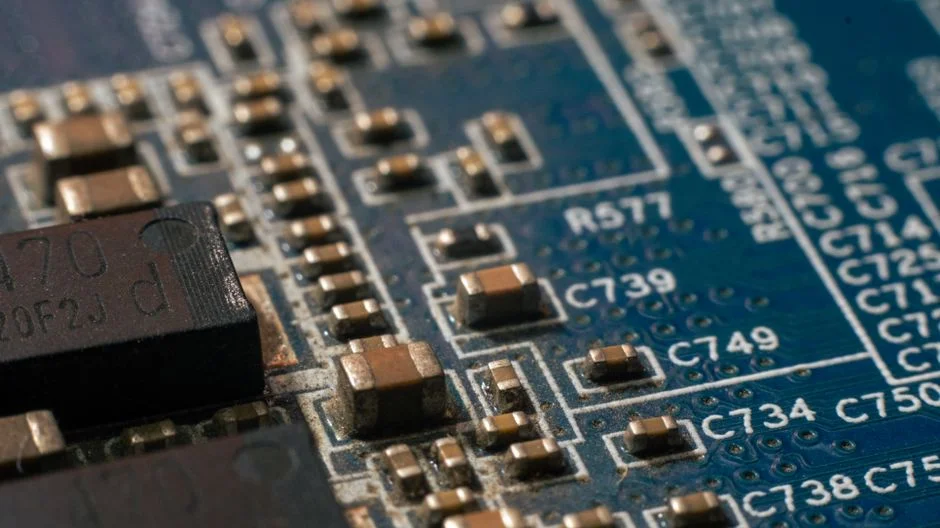
Taiwan is not just a political flashpoint; it is the engine room of the global technology sector. The island produces approximately 60% of the world’s semiconductors, with Taiwan Semiconductor Manufacturing Company (TSMC) leading the charge. These chips are embedded in everything from smartphones and laptops to electric vehicles and defense systems. A disruption in Taipei would therefore cause a cascading failure across multiple industries, leading to inventory shortages and price spikes globally.
The concentration of semiconductor manufacturing in one geographic location creates a classic "single point of failure" risk. Investors have begun to price this risk into the valuations of tech giants like Apple, NVIDIA, and Intel. The recent announcement of TSMC’s $100 billion investment in Arizona is a direct response to this geopolitical anxiety. US companies are paying a premium for "near-shoring" or "friend-shoring" their supply chains to reduce exposure to the Taiwan Strait. This shift increases short-term capital expenditure but may lower long-term operational risk.
For Singapore, which hosts major data centers and logistics hubs for Asian tech trade, the implications are profound. Any disruption in Taiwan could lead to a surge in demand for alternative manufacturing bases in Southeast Asia. Vietnam, Malaysia, and Thailand are already benefiting from this "China Plus One" strategy. Investors should watch for increased foreign direct investment flows into these countries as multinationals diversify their production footprints to mitigate Taiwan-related risks.
Market Volatility and Investor Behavior
The financial markets have shown a clear sensitivity to Taiwan-related news cycles. Every time a US official visits Taipei or China conducts military drills, we see a spike in the VIX, the CBOE Volatility Index. This reaction indicates that investors view the Taiwan situation as a primary driver of global uncertainty. The correlation between geopolitical headlines and equity performance has strengthened, making political monitoring as crucial as financial analysis for portfolio managers.
Bond markets are also reacting to the shifting geopolitical landscape. The US Treasury market, traditionally seen as the ultimate safe haven, is facing new questions about its status if China decides to offload its holdings. Conversely, Chinese government bonds are becoming more attractive to investors seeking diversification away from the US dollar. This currency and bond dynamic is reshaping the global reserve currency system, with potential long-term consequences for trade settlement and international liquidity.
Equity investors are increasingly adopting a "barbell" strategy, holding both defensive assets and high-growth tech stocks. This approach allows them to benefit from the continued innovation in the US tech sector while protecting against supply chain disruptions. However, this strategy requires active management and a keen eye on geopolitical developments. Passive index funds may suffer from the volatility, as they are less able to rotate capital quickly in response to breaking news from the Asia-Pacific region.
Implications for Business Strategy
Corporations operating in the Asia-Pacific region are revising their risk management frameworks to account for the Thucydides Trap. This involves more than just financial hedging; it requires a fundamental rethinking of supply chain resilience. Companies are investing in digital twins of their supply chains to simulate various conflict scenarios. These simulations help identify bottlenecks and alternative routes, allowing businesses to react faster when geopolitical tensions escalate.
Business leaders are also engaging in more proactive lobbying and diplomatic outreach. In Washington, firms are advocating for nuanced trade policies that avoid broad-brush tariffs. In Beijing, companies are working to build local partnerships to secure political goodwill. This dual-track approach is essential for navigating the complex regulatory environment. Firms that fail to engage with both governments risk being caught in the crossfire of diplomatic disputes.
The impact on the service sector is also becoming apparent. Tourism, logistics, and financial services are all sensitive to the flow of people and capital across the Taiwan Strait. A conflict could lead to travel restrictions, shipping delays, and currency fluctuations. Businesses in these sectors must prepare for a range of outcomes, from mild diplomatic friction to a full-blown economic blockade. Flexibility and agility are the key competencies for survival in this new geopolitical era.
Future Risks and What to Watch
The next 12 to 24 months will be critical in determining how the Thucydides Trap plays out economically. The US presidential election will likely bring a new wave of trade policies and diplomatic posturing. Meanwhile, China’s economic recovery will be tested by domestic property sector woes and demographic shifts. Investors should monitor these developments closely, as they will shape the risk-reward profile of the Asia-Pacific region.
Key indicators to watch include the trade balance between the US and China, the valuation of the Chinese yuan against the US dollar, and the inventory levels of key semiconductor manufacturers. Sudden changes in these metrics can signal shifts in geopolitical tension. Additionally, diplomatic visits and military exercises will continue to serve as immediate triggers for market volatility. Staying informed and agile is the best defense against the economic consequences of the Thucydides Trap.