The Philippine Senate has descended into political turmoil as Senator Raul Rendon, a key ally of former President Rodrigo Duterte, sought refuge in the upper house chamber to evade an International Criminal Court (ICC) arrest warrant. This dramatic move has injected uncertainty into the nation's political landscape, prompting immediate reactions from local markets and regional investors. The standoff highlights the deepening rift between the current administration in Manila and the European judicial body based in The Hague.
Political Standoff Threatens Economic Stability
The presence of a high-profile politician under international indictment within the seat of legislative power creates an immediate perception of instability. Investors closely monitor political cohesion in emerging markets, and any sign of internal fracture can lead to capital flight. The Philippine peso experienced mild volatility in early trading sessions as traders digested the news. Currency markets are particularly sensitive to political shocks in Southeast Asia, where the peso often serves as a barometer for regional sentiment.
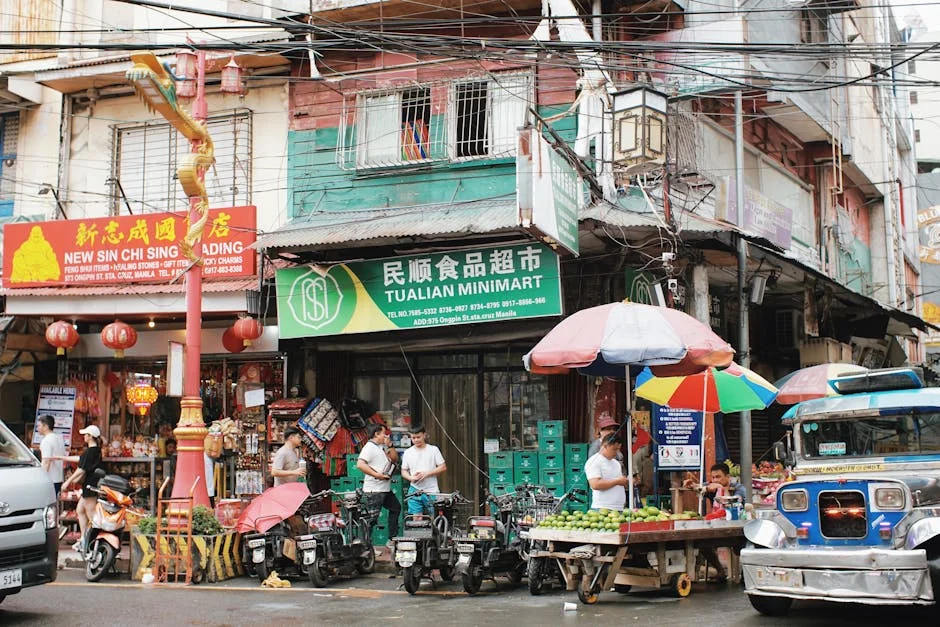
Businesses operating in Manila are now assessing the potential for legislative gridlock. If the Senate becomes preoccupied with the legal and diplomatic implications of Rendon's status, critical economic bills may face delays. This includes infrastructure spending packages and tax reforms that are vital for sustaining the country's post-pandemic growth trajectory. The uncertainty surrounding the executive and legislative branches can deter foreign direct investment, which relies on predictable regulatory environments.
Impact on Foreign Direct Investment
Foreign investors are scrutinizing the legal protections available in the Philippines. The ICC warrant raises questions about the supremacy of international law versus domestic political alliances. Companies considering expansion into the archipelago will need to evaluate the risk of political interference in legal proceedings. This is particularly relevant for sectors such as mining and agriculture, which have been central to the ICC's investigation into crimes against humanity during the War on Drugs.
The potential for prolonged political drama could affect the credit rating outlook for the Philippines. Rating agencies monitor political stability as a key factor in sovereign debt assessments. A downgrade or negative outlook could increase borrowing costs for the government and corporations alike. This would have a cascading effect on consumer loans, mortgages, and corporate bond yields, potentially slowing down economic activity.
ICC Legal Proceedings and Diplomatic Tensions
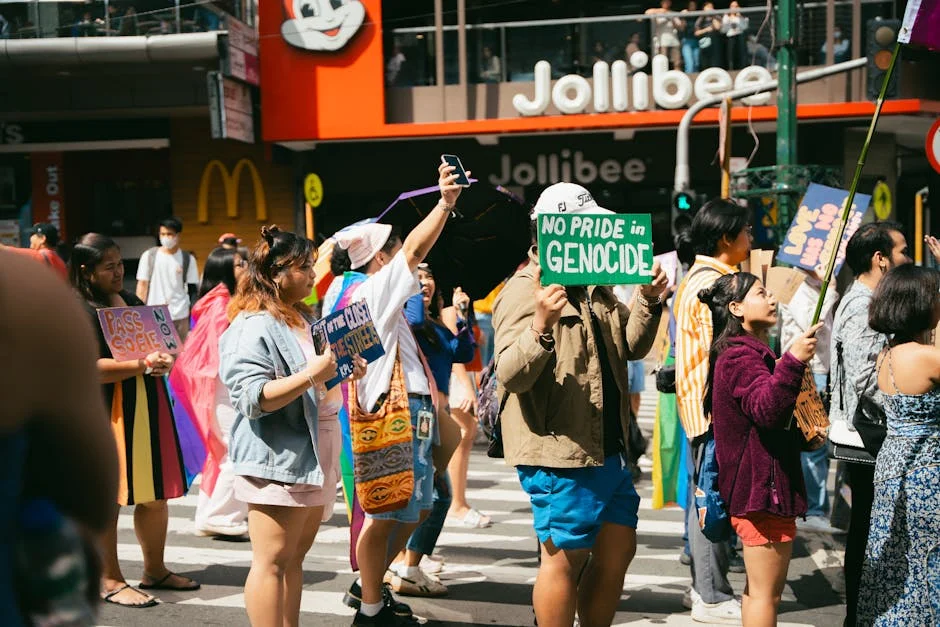

The International Criminal Court has been investigating the Philippine government's War on Drugs for several years. The current administration under President Ferdinand Marcos Jr. has taken a more cooperative stance compared to the initial resistance from the Duterte era. However, the arrest of a prominent senator complicates these diplomatic efforts. The Hague seeks to demonstrate that justice is being served, but it must also navigate the delicate political landscape of a key Asian ally.
Diplomatic relations between the Philippines and European Union nations could face strain. The EU has been a significant trading partner for the Philippines, and political friction can sometimes translate into trade barriers or regulatory hurdles. Businesses involved in cross-border trade need to stay alert to any shifts in bilateral agreements. The outcome of this legal battle could set a precedent for how other emerging markets engage with international judicial bodies.
The legal team for Senator Rendon is expected to file motions to challenge the jurisdiction of the ICC. This legal maneuvering could drag on for months or even years, keeping the issue in the headlines and maintaining a level of uncertainty. Markets dislike prolonged uncertainty, and the lack of a quick resolution could keep risk premiums elevated for Philippine assets. Investors may adopt a wait-and-see approach until the legal dust settles.
Market Reactions and Investor Sentiment
Financial markets in Southeast Asia are interconnected, meaning that turmoil in the Philippines can have ripple effects in neighboring countries. Singapore, as a major financial hub, often sees increased trading volumes and volatility when regional political events unfold. Investors in Singapore are closely monitoring the situation, as many have significant exposure to Philippine equities and bonds. The sentiment in the Lion City is cautious, with analysts advising a diversified approach to mitigate country-specific risks.
The Philippine Stock Exchange has shown mixed signals. While some sectors like banking and consumer goods have remained resilient, others are more sensitive to political news. Investors are looking for clarity on how the government plans to manage the situation without disrupting economic reforms. The central bank may need to intervene to stabilize the currency if the political situation worsens. This could involve adjusting interest rates or selling foreign reserves to support the peso.
Corporate earnings reports from major Philippine companies will be under scrutiny. Analysts will look for any mention of political risk in the management discussion and analysis sections. Companies that have strong governance structures and diversified revenue streams may fare better in this environment. Investors are also watching for any changes in dividend policies, as companies may choose to retain more cash to weather potential economic headwinds.
Business Implications for Regional Companies
Companies with operations in the Philippines need to review their risk management strategies. This includes assessing the potential for supply chain disruptions if political protests or legislative delays impact logistics. The country's strategic location makes it a key player in regional supply chains, particularly for electronics and automotive parts. Any disruption could affect production schedules and delivery times for global brands.
The real estate sector may also feel the impact. Political stability is a key driver of property values and development projects. If investors lose confidence in the political climate, they may hold off on new developments or sell off existing assets. This could lead to a slowdown in construction activity, which is a significant contributor to the Philippine GDP. Developers need to be prepared for potential changes in zoning laws or tax incentives that may be used as political bargaining chips.
The tourism industry, a major source of foreign exchange earnings, could also be affected. International travelers often consider political stability when choosing destinations. Negative headlines about political chaos or legal battles may deter tourists, particularly from key markets like China, the United States, and Europe. Hotel occupancy rates and airline bookings may see a dip if the situation remains unresolved for an extended period. Tourism boards will need to launch targeted marketing campaigns to reassure potential visitors.
Supply Chain Vulnerabilities
Global supply chains are already under pressure, and political instability in the Philippines adds another layer of complexity. The country is a major exporter of semiconductors and electronics components. Any disruption in production or export logistics could affect global tech giants. Companies need to have contingency plans in place, such as diversifying suppliers or increasing inventory levels. The cost of these contingencies will eventually be passed on to consumers, contributing to inflationary pressures.
The agricultural sector is also at risk. The Philippines is a net importer of food, and political instability can affect currency values and import costs. If the peso weakens, the cost of imported rice, corn, and other staples will rise. This could lead to higher food prices for consumers, which is a key concern for the central bank. Inflation is a critical factor in determining interest rates, and higher food prices could force the central bank to keep rates higher for longer.
Investment Perspective for Singaporean Investors
For investors based in Singapore, the situation in the Philippines presents both risks and opportunities. The Philippines is one of the fastest-growing economies in Southeast Asia, with a young and dynamic workforce. However, political risk is a key consideration. Investors should look for companies with strong balance sheets and robust governance structures. Diversification across different sectors and regions can help mitigate the impact of political shocks.
Fixed income investors may find opportunities in Philippine government bonds. The yield on these bonds is attractive compared to other regional peers. However, the credit risk needs to be carefully assessed. Investors should monitor the country's credit rating and any changes in the fiscal outlook. The government's ability to manage debt levels and implement structural reforms will be crucial in maintaining investor confidence.
Equity investors should focus on companies with strong competitive advantages and pricing power. These companies are better positioned to withstand economic headwinds and pass on costs to consumers. Sectors such as technology, healthcare, and consumer staples may offer relative stability in a volatile environment. Investors should also keep an eye on any government incentives or tax breaks that could boost corporate earnings.
Long-Term Economic Outlook
The long-term economic outlook for the Philippines remains positive, driven by demographic dividends and digital transformation. However, political stability is a key enabler of this growth. The resolution of the ICC warrant issue will be a critical test of the country's institutional strength. A smooth resolution could boost investor confidence and attract more foreign capital. A protracted legal battle could lead to economic stagnation and increased inflation.
The government needs to communicate clearly with investors and the public. Transparency and consistency in policy implementation are essential for building trust. The central bank and the finance ministry play a crucial role in managing expectations and stabilizing the economy. Their actions in the coming weeks will be closely watched by markets. The ability to navigate this political crisis without derailing economic reforms will be a key indicator of the country's economic resilience.
International organizations such as the International Monetary Fund and the World Bank will also monitor the situation. Their assessments can influence investor sentiment and borrowing costs. The Philippines needs to maintain a good relationship with these institutions to ensure access to financing and technical assistance. The outcome of this political standoff will have implications for the country's economic trajectory and its standing in the global economy.
What to Watch Next
Investors and businesses should closely monitor the Senate's next vote on the arrest warrant and any subsequent legal filings. The timing of the ICC's next move will also be crucial. Any announcement from The Hague regarding the status of the warrant or the broader investigation will impact market sentiment. The Philippine peso's performance in the coming weeks will be a key indicator of market confidence. A significant depreciation could signal growing investor anxiety.
Political developments in Manila, including any potential shifts in alliances or legislative priorities, will also be important. The relationship between the executive and legislative branches will determine the speed and effectiveness of the government's response. Investors should also watch for any changes in fiscal policy or monetary policy announcements from the central bank. These actions will provide clues about the government's strategy for managing the economic impact of the political crisis.
The broader regional context will also play a role. Any spillover effects from neighboring countries or global economic trends could amplify or mitigate the impact of the political situation in the Philippines. Investors should maintain a diversified portfolio and stay informed about developments in the region. The situation is fluid, and quick adjustments to investment strategies may be necessary to capture opportunities and manage risks. The next few weeks will be critical in determining the long-term economic implications of this political standoff.
See Also
- Venezuela's Acting President Arrives in New Delhi for Energy Talks
- Sports Authority of India Launches Fit India Carnival 2026 in Patna to Boost National Health and Economy
This could lead to higher food prices for consumers, which is a key concern for the central bank. The ability to navigate this political crisis without derailing economic reforms will be a key indicator of the country's economic resilience.