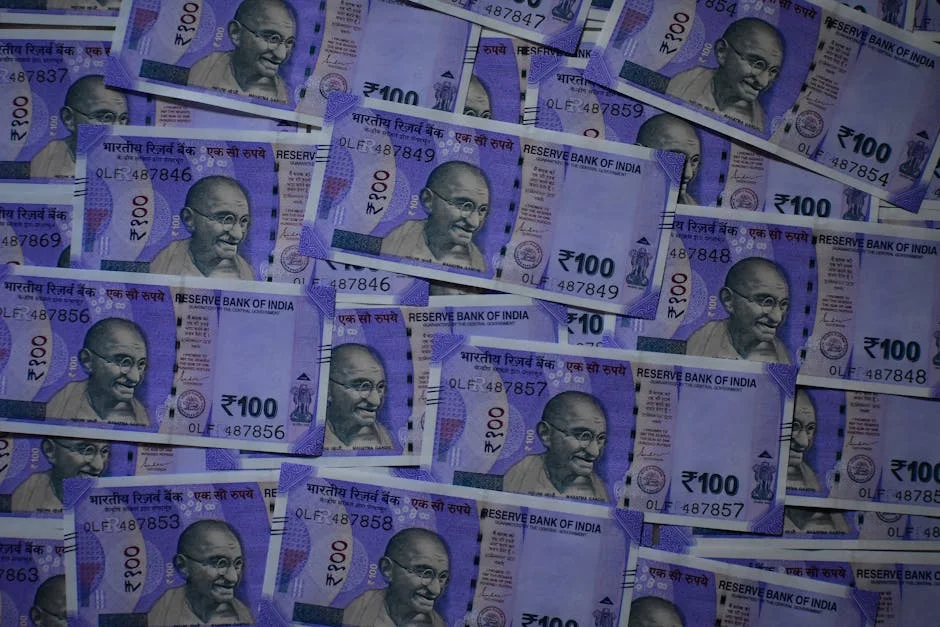
The Indian rupee has staged a sharp recovery, climbing 61 paise against the US dollar to reach 96.25. This rebound follows a period of intense volatility that saw the currency hit record lows earlier in the week. The movement signals a decisive intervention by the Reserve Bank of India to calm investor nerves.
For businesses and investors tracking emerging markets, this shift is more than a statistical blip. It reflects the ongoing tug-of-war between domestic monetary policy and global economic pressures. The stability of the rupee directly impacts trade balances, import costs, and foreign investment flows across South Asia.
Currency Volatility and Market Reaction
The recent dip in the rupee was driven by a combination of strong dollar strength and rising oil prices. India remains one of the world's largest importers of crude oil, making its currency highly sensitive to energy market fluctuations. When oil prices rise, the trade deficit widens, putting downward pressure on the rupee.
Traders reacted quickly to the central bank’s moves. The foreign exchange market saw increased liquidity as the Reserve Bank of India sold dollars to prop up the local currency. This action helped prevent a panic-driven sell-off that could have exacerbated the depreciation.
The rebound to 96.25 is a relief for importers who had braced for higher costs. However, the sustainability of this gain depends on broader global trends. If the US Federal Reserve maintains its hawkish stance, the dollar could remain strong, testing the rupee’s resilience once again.
Reserve Bank of India Intervention Strategy


The Reserve Bank of India has employed a multi-pronged strategy to manage currency stability. This includes direct foreign exchange sales and adjustments to interest rates. The central bank aims to balance inflation control with economic growth, a delicate act in the current climate.
Monetary Policy Adjustments
Interest rate hikes are a primary tool for attracting foreign capital. By raising the return on Indian assets, the central bank encourages investors to hold rupee-denominated securities. This inflow of capital helps support the currency’s value against the dollar.
However, rate hikes also carry costs. Higher borrowing expenses can slow down corporate investment and consumer spending. The central bank must carefully calibrate these moves to avoid overheating the economy while keeping inflation in check.
The recent intervention demonstrates the bank’s willingness to act decisively. Market participants are watching for further signals regarding the pace of monetary tightening. Any indication of a pause in rate hikes could lead to renewed pressure on the rupee.
Impact on Trade and Business Operations
A weaker rupee makes Indian exports more competitive on the global stage. Companies in the information technology and pharmaceutical sectors benefit from stronger earnings when converted back to the local currency. This can boost corporate profits and attract foreign direct investment.
Conversely, a stronger rupee reduces the cost of imports. This is particularly important for industries reliant on raw materials like crude oil, gold, and electronics components. Lower import costs can help contain inflation, giving the central bank more room to maneuver.
Businesses operating in India must navigate this volatility with hedging strategies. Companies often use forward contracts and options to lock in exchange rates. This reduces uncertainty and allows for more accurate financial planning amidst fluctuating currency values.
The current rebound offers a temporary reprieve for importers. However, long-term stability requires structural improvements in the trade balance. Reducing reliance on energy imports and boosting manufacturing output are key goals for policymakers.
Investment Perspective for Regional Markets
For investors in Singapore and other regional hubs, the rupee’s movement affects portfolio diversification. Emerging market funds often hold significant exposure to Indian equities and bonds. Currency fluctuations can significantly impact the total return on these investments.
A stable or appreciating rupee enhances the attractiveness of Indian assets for foreign investors. It reduces the currency risk associated with holding rupee-denominated securities. This can lead to increased capital inflows, supporting stock market performance.
Conversely, volatility can deter risk-averse investors. Sudden swings in the exchange rate can erode gains made in local currency terms. Investors must consider currency hedging as part of their broader investment strategy in emerging markets.
The Reserve Bank of India’s proactive stance is a positive signal for market confidence. It suggests that policymakers are closely monitoring external pressures and are ready to act. This reduces the likelihood of a sudden, sharp correction that could catch investors off guard.
Global Economic Factors Influencing the Rupee
The rupee does not exist in a vacuum. Global economic trends play a crucial role in determining its value. The strength of the US dollar, driven by Federal Reserve policy, is a major external factor. A strong dollar often leads to a weaker rupee.
Commodity prices, particularly oil and gold, also exert significant influence. As a net importer, India’s trade balance is sensitive to changes in global commodity markets. Rising oil prices increase the import bill, putting pressure on the currency.
Geopolitical tensions can further complicate the picture. Conflicts in key oil-producing regions can lead to supply disruptions and price spikes. These external shocks can trigger sudden movements in the foreign exchange market, requiring swift central bank responses.
Understanding these global dynamics is essential for predicting future currency trends. Investors and businesses must monitor international developments alongside domestic indicators. A holistic view of the economic landscape helps in making informed decisions.
Future Outlook and Key Indicators
Looking ahead, the rupee’s trajectory will depend on several key factors. The pace of economic recovery in India will influence investor sentiment. Strong GDP growth and robust corporate earnings can support the currency.
Monetary policy decisions by the Reserve Bank of India will remain critical. Any changes in interest rates or foreign exchange interventions will be closely watched by markets. The central bank’s communication strategy will also play a role in shaping expectations.
Global economic conditions, including US inflation data and Federal Reserve moves, will continue to impact the rupee. Investors should keep an eye on these external indicators to gauge potential currency movements. A coordinated approach to risk management is advisable in this dynamic environment.
The next few weeks will be crucial in determining the sustainability of the current rebound. Market participants should monitor foreign exchange reserves, trade deficit figures, and central bank announcements. These indicators will provide valuable insights into the rupee’s near-term outlook.
See Also
- Tamil Nadu Hostels Slash Tea, Coffee, Dosa From Menus as LPG Shortage Hits Hard - Explained
- Padres Launch Digital Faith Campaign in Olivais — Jovens Engagement Surges