Typhoon Jangmi barrelled northward through Japan's southern archipelago on Wednesday, leaving at least 23 people injured and prompting authorities to issue severe weather warnings across multiple prefectures. The storm made landfall near the northern reaches of Okinawa before tracking toward the main islands of Kyushu and Shikoku, with meteorologists warning of continued disruption through the end of the week.
Storm Leaves Trail of Destruction Across Southern Japan
The Japan Meteorological Agency confirmed Typhoon Jangmi struck with sustained winds of 144 kilometres per hour, uprooting trees and shattering windows in Naha, the capital of Okinawa prefecture. Local hospitals treated 23 individuals for storm-related injuries, ranging from cuts caused by flying debris to fractures sustained during falls. Emergency services in the city of Kagoshima on Kyushu island reported power outages affecting approximately 4,300 households as of Wednesday afternoon.
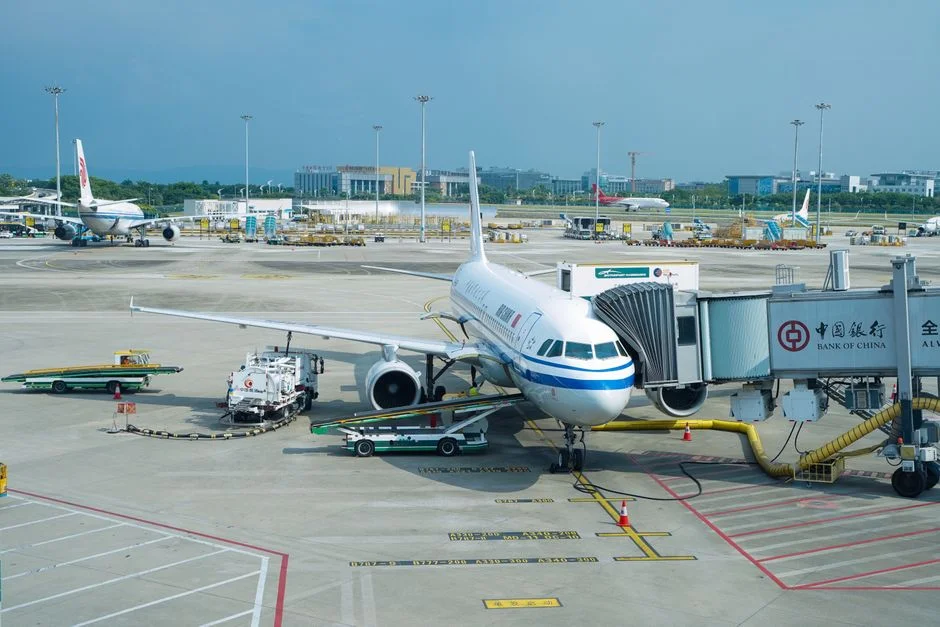
Authorities in Okinawa urged residents to remain indoors as the storm passed, with all ferry services suspended between the islands. The Japan Coast Guard deployed patrol vessels to monitor coastal areas and assist any vessels caught in deteriorating conditions. Flights in and out of Naha Airport were cancelled or delayed, stranding hundreds of travellers during the peak travel season.
Supply Chain Fears Mount for Regional Traders
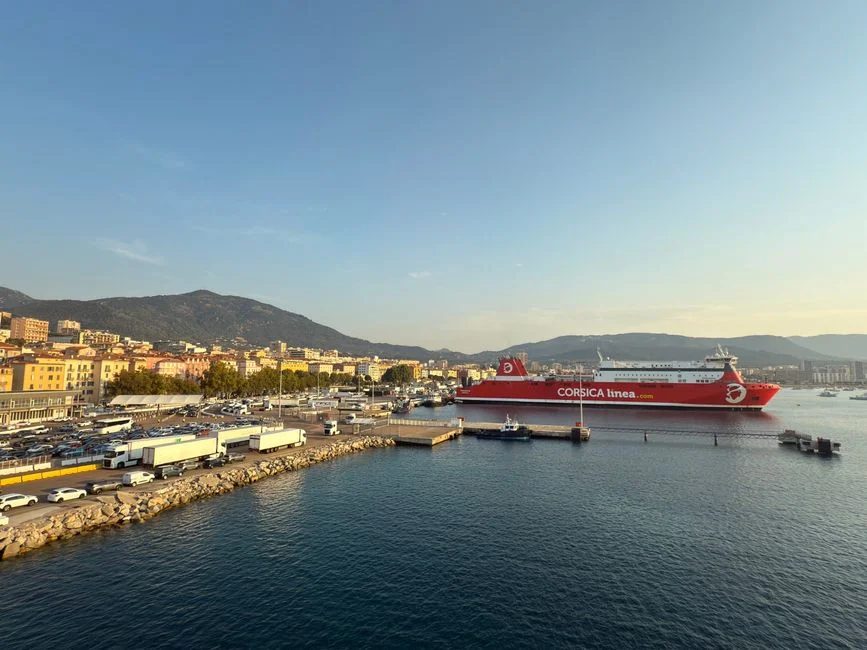

The timing of Typhoon Jangmi's arrival poses a significant concern for businesses with operations across the East Asian supply chain. Okinawa serves as a critical transshipment point for cargo moving between mainland Japan, Taiwan, and the Philippines. Logistics firms warned that any prolonged disruption to port operations could delay deliveries of electronics components and automotive parts heading to factories in Osaka and Nagoya.
Several Singapore-based companies maintain supplier relationships with manufacturers in southern Japan, making them vulnerable to production slowdowns if the storm causes extended facility closures. The Monetary Authority of Singapore has yet to issue any specific guidance on the event, though market analysts expect shipping insurance premiums for routes passing through the East China Sea to rise in the coming days.
Trade data from Singapore's Department of Statistics shows that Japan accounted for approximately 7.2 billion Singapore dollars in imports last year, with machinery and transport equipment representing the largest category. Any sustained disruption to Japanese export capacity could create short-term supply gaps that ripple through Southeast Asian markets.
Insurance Sector Braces for Claims Surge
Japanese insurers are preparing for a wave of claims related to property damage, business interruption, and storm-related accidents. Analysts at Dai-ichi Life Research Institute estimated that severe typhoons typically generate insurance payouts ranging from 50 billion to 200 billion yen depending on the path and intensity. The final cost of Typhoon Jangmi will depend on whether the storm maintains its current trajectory or weakens before reaching more densely populated areas.
Reinsurance firms with exposure to the Japanese market, including Munich Re and Swiss Re, will monitor the situation closely as claims data becomes available over the next several weeks. Investors in these companies have shown limited concern so far, with Munich Re shares trading slightly lower in Frankfurt on Wednesday but recovering much of the decline by afternoon.
Aviation and Maritime Sectors Face Immediate Disruption
Japan Airlines and All Nippon Airways each cancelled more than 40 domestic flights on Wednesday, affecting thousands of passengers. The disruption compounds existing challenges for Japanese carriers, which have been struggling with reduced international routes following border restrictions that remain in place for certain visitor categories.
The maritime sector experienced separate complications as port operators in Kagoshima and Miyazaki suspended cargo handling operations until conditions improve. Shipping companies with vessels scheduled to call at these ports face rerouting costs and potential demurrage charges, adding pressure to supply chains already stretched by global logistics constraints.
Tourism Industry Takes Another Hit
Okinawa's tourism sector, which has been recovering slowly from pandemic-era restrictions, faces fresh setbacks during what should be a peak booking period. Hotel occupancy rates along the coast dropped sharply as guests cancelled reservations ahead of the storm's arrival. The Okinawa Convention & Visitors Bureau expressed concern that negative media coverage could deter future bookings, complicating efforts to rebuild visitor numbers to pre-pandemic levels.
Singaporeans with travel plans to Japan in the coming weeks should monitor conditions closely, according to the Singapore Travel Agents Association. Several tour operators reported a surge in enquiries from customers seeking to modify or postpone bookings, though cancellations remain limited for now.
What to Watch in the Coming Days
The Japan Meteorological Agency predicts Typhoon Jangmi will continue tracking northward before veering east toward the Pacific Ocean by Thursday evening. The storm is expected to weaken as it moves over cooler waters, though heavy rainfall may persist across Kyushu and Shikoku for another 48 hours.
Investors should monitor the Osaka Securities Exchange for any movement in shares of companies with significant operations in the affected regions. Logistics providers such as Yamato Transport and Sagawa Express may see short-term volume fluctuations, while retailers with store networks across southern Japan could face temporary closures.
The Economic Research Institute at the Japan Chamber of Commerce and Industry plans to release a preliminary damage assessment by Friday, which will provide clearer insight into the potential economic impact. Businesses with exposure to Japanese supply chains should begin contingency planning now, particularly those relying on just-in-time inventory systems that leave little margin for disruption.
See Also
- Joseph Schooling's Legacy: How Singapore's Olympic Gold Changed Swimming
- India Police Arrest 132 in Ludhiana Cyber Fraud Crackdown
Investors in these companies have shown limited concern so far, with Munich Re shares trading slightly lower in Frankfurt on Wednesday but recovering much of the decline by afternoon. The Okinawa Convention & Visitors Bureau expressed concern that negative media coverage could deter future bookings, complicating efforts to rebuild visitor numbers to pre-pandemic levels.