China's economy expanded by 4.3% in the second quarter of 2023, marking its slowest growth since late 2022. This deceleration has sparked concerns across global markets, given China's pivotal role in the international trade landscape. The downturn comes amidst ongoing global trade disruptions, particularly influenced by geopolitical tensions involving Iran.
The Chinese government's latest economic report highlights a contraction in several key sectors, notably investment and consumer spending, which are often indicators of broader economic health. Investors and analysts are now closely monitoring potential policy responses from Beijing, which may include new stimulus measures to reinvigorate the economy. With the economic landscape shifting, Singaporean businesses and investors with ties to China are evaluating the potential impacts on trade and investment flows.
Immediate Market Reactions and Investor Concerns
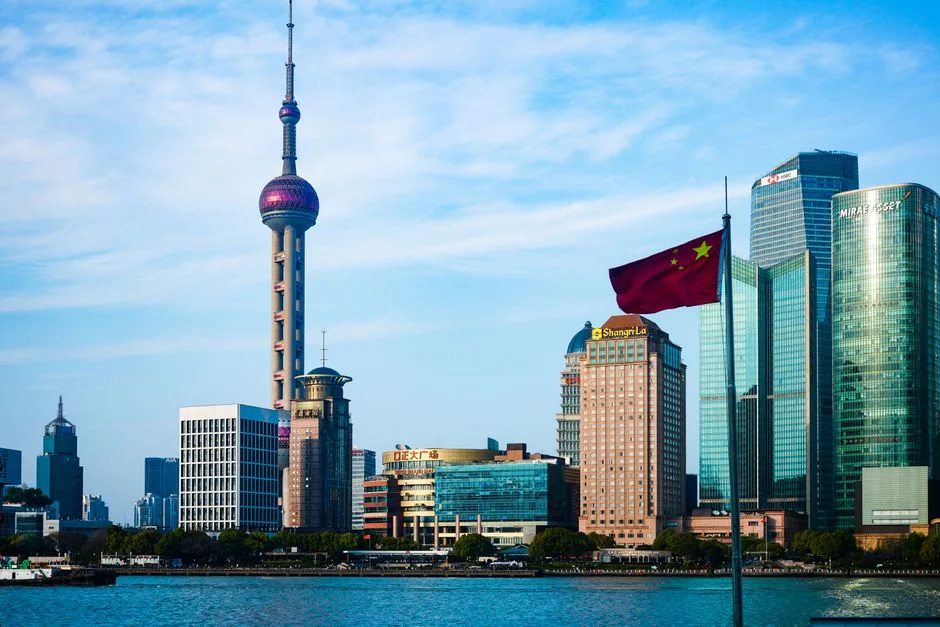
The immediate reaction to China's latest economic data has been one of cautious concern among global investors. The reported 4.3% growth rate fell short of expectations, prompting volatility in stock markets, particularly in Asia. Investors are worried that the slower-than-expected growth may signal deeper structural issues within the Chinese economy, affecting global supply chains and trade balances.
In the commodities market, prices for metals and other raw materials closely linked to Chinese demand have shown signs of fluctuation. China's vast manufacturing industry is a significant consumer of these materials, and any slowdown in its economic expansion can lead to surplus and price adjustments globally.
Impact on Southeast Asian Economies
For Southeast Asian economies like Singapore, which have strong trade links with China, the slower growth could translate into reduced demand for exports. Singapore's electronics and semiconductor sectors, which are heavily dependent on Chinese manufacturing, might experience shifts in order quantities and delivery timelines.
The financial sector in Singapore is also watching developments closely. Banks and investment firms with exposure to Chinese markets are considering adjustments to their portfolios to mitigate potential risks associated with China's economic slowdown. The Singapore Exchange (SGX) itself might experience volatility as investors react to changes in trade and investment flows.
Background and Broader Economic Context


China's recent growth performance is part of a broader trend of fluctuating economic indicators over the past few years. After a period of rapid expansion following its initial reopening post-COVID-19, China's economy has faced multiple headwinds, including supply chain disruptions, real estate sector challenges, and geopolitical uncertainties.
The current situation is exacerbated by global trade challenges, particularly those linked to geopolitical tensions with countries like Iran. China's trade relations are intricately tied to global economic health, and any disruptions can have cascading effects on international markets.
Government Policy and Potential Stimulus
There is growing anticipation about potential government interventions to stimulate growth. In recent years, China has shown a willingness to deploy fiscal and monetary tools to stabilize its economy. Analysts speculate that further interest rate cuts or increased public spending on infrastructure projects could be on the horizon.
Such measures could provide a short-term boost to domestic demand and production, but they also come with concerns about long-term economic sustainability and debt levels. The Chinese government must balance between fostering growth and avoiding inflated asset bubbles, particularly in the property market.
- Potential interest rate cuts by the Chinese central bank.
- Increased investment in infrastructure projects.
- Focus on boosting consumer confidence and spending.
Long-term Implications and Next Steps
As the world watches China's economic maneuvers, businesses and investors must consider long-term strategies for navigating these changes. The persistent growth slowdown raises questions about structural reforms within China's economy, which have long been topics of discussion among economists and policy makers.
For international investors, the current scenario underscores the importance of diversification and risk management. Those with heavy exposure to Chinese markets might need to reassess their investment strategies in light of potential economic and policy shifts.
Looking ahead, market participants will be focusing on the outcomes of any announced stimulus measures from Beijing. Additionally, geopolitical developments, particularly involving major trading partners, will play a critical role in shaping China's economic trajectory.
Overall, the coming months will be critical in determining whether China can revitalize its growth momentum or if further adjustments will be necessary. For Singaporean readers, staying informed about these developments is crucial, as they will have direct and indirect impacts on regional economic health and personal investments.
In the immediate future, key indicators such as China's trade balance figures, consumer confidence surveys, and government policy announcements will be closely monitored by economists and investors alike. These will provide valuable insights into the potential paths forward for one of the world's largest economies and its global trading partners.
Potential Shifts in Singapore’s Economic Strategy
Amidst the backdrop of China's economic slowdown, Singapore faces the strategic challenge of recalibrating its economic policies to continue thriving in a potentially less predictable trade environment. The Republic, renowned for its strategic geographical position and robust financial sector, may need to pivot towards enhancing trade relations with other global partners and diversifying its economic dependencies.
Singapore's government has historically been proactive in addressing external economic challenges through policy adjustments. With China's current economic trajectory, Singaporean policymakers might consider accelerating initiatives aimed at strengthening ties with the ASEAN Economic Community (AEC). This regional bloc presents an opportunity for Singapore to tap into a collective market that is less reliant on a single economic powerhouse.
Furthermore, Singapore may intensify its efforts to cultivate relationships with emerging markets in India and Africa. These regions offer untapped potential for growth and can serve as alternative destinations for Singaporean exports, especially in technology and financial services. By diversifying its economic partnerships, Singapore can mitigate risks associated with China's slowdown and maintain its economic resilience.
Another strategic move could involve increasing investments in innovation and technology sectors. Singapore has been positioning itself as a global tech hub, and further investment in digital infrastructure, artificial intelligence, and fintech could not only create high-value jobs but also attract foreign direct investment. This approach aligns with Singapore's Smart Nation initiative, which aims to harness technology to enhance living standards and economic competitiveness.
Moreover, Singapore's education and workforce training programs may see a shift towards equipping the labor force with skills relevant to emerging industries. This would ensure that the Singaporean workforce remains agile and capable of adapting to new economic realities. The government’s SkillsFuture initiative, which promotes lifelong learning and skills upgrading, could play a critical role in this transition.
On the financial front, Singaporean banks and investment firms are likely to increase their focus on risk management and diversification. By expanding their portfolios beyond the Chinese market, these institutions can better insulate themselves against potential economic shocks. This might involve increasing investments in other Asian markets or exploring opportunities in high-growth sectors like green energy and sustainable finance.
As Singapore navigates these strategic shifts, its policymakers will likely keep a close watch on regional and global economic trends. The ongoing US-China trade tensions, for example, could present both challenges and opportunities for Singapore. While the trade war has had some negative spillover effects, it has also led to some companies relocating their supply chains to Southeast Asia, potentially benefiting Singapore's logistics and manufacturing sectors.
Singaporeans, both at the corporate and individual levels, should remain vigilant and informed about these developments. Businesses might consider conducting comprehensive risk assessments to evaluate their exposure to the Chinese market and explore new growth avenues. Similarly, individual investors could benefit from diversifying their portfolios to include a mix of local and international assets.
In conclusion, while China's economic slowdown presents challenges for Singapore, it also serves as a catalyst for strategic realignment and innovation. By broadening its economic horizons and investing in future-ready sectors, Singapore can continue to solidify its position as a resilient and dynamic economy in the global landscape. As always, adaptability and foresight will be crucial in navigating the evolving economic environment and ensuring sustained growth and prosperity for Singapore.
Looking forward, stakeholders should pay attention to key upcoming events such as the ASEAN Summit, where regional economic cooperation will be a central theme. Additionally, global economic forums and bilateral trade discussions will offer insights into potential shifts in trade policies and international collaborations that could impact Singapore's economic strategy.
Ultimately, the journey ahead will require a balanced approach, combining immediate tactical responses with long-term strategic planning. By leveraging its strengths and embracing new opportunities, Singapore can continue to thrive amidst global economic uncertainties.
See Also
- IMDb Reveals Top 10 Anime Shows — Why This Matters for SG Investors Now
- Singapore Positions Itself to Become Asia's Key Trade Super-Connector
See AlsoIMDb Reveals Top 10 Anime Shows — Why This Matters for SG Investors NowSingapore Positions Itself to Become Asia's Key Trade Super-Connector This regional bloc presents an opportunity for Singapore to tap into a collective market that is less reliant on a single economic powerhouse.Furthermore, Singapore may intensify its efforts to cultivate relationships with emerging markets in India and Africa.
What is the latest news about chinas sluggish growth reveals global market worries?
Why does this matter for economy-business?
What are the key facts about chinas sluggish growth reveals global market worries?