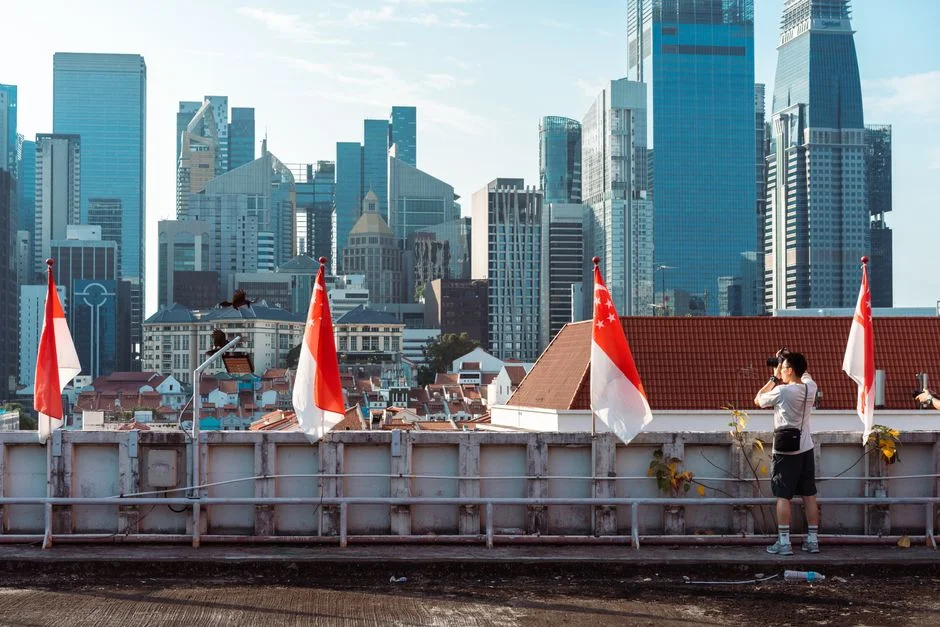
Singapore has launched an ambitious strategy to enhance its role as Asia's premier trade super-connector, aiming to facilitate smoother transactions and bolster economic ties across the region and beyond. This initiative, supported by the Ministry of Trade and Industry, comes amid rising global trade tensions and a need for more resilient supply chains.
Strategic Initiatives to Boost Trade
The Singaporean government plans to implement a series of strategic initiatives aimed at strengthening its logistics and trade infrastructure. By 2025, the nation intends to increase its annual container throughput by 10%, reaching approximately 37 million twenty-foot equivalent units (TEUs). This will position Singapore as a key logistics hub capable of supporting its partners in the fast-evolving trade landscape.
The Ministry of Trade and Industry confirmed that investments in technology and sustainable practices will underpin these initiatives. Enhanced digitalisation and automation are expected to increase efficiency within port operations, streamlining processes for businesses and investors alike.
Market Reactions and Business Implications


Market analysts reacted positively to Singapore's announcement, indicating that the move could attract a wave of foreign investments. With global trade expected to recover post-pandemic, Singapore's positioning as a super-connector could provide companies with increased access to Asia-Pacific markets. The Business Times reported a surge in inquiries from potential investors exploring opportunities in Singapore's logistics sector.
Local businesses stand to gain significantly from these developments. Improved trade facilitation can lead to lower operational costs and quicker turnaround times, thereby enhancing competitiveness. Small and medium-sized enterprises (SMEs) in Singapore are already preparing to take advantage of the anticipated growth in trade activities.
Potential Challenges in Implementation
Despite the positive outlook, Singapore's ambitious plans do face several challenges. Rising costs in logistics and supply chain disruptions remain ongoing concerns. The Minister for Trade and Industry, Gan Kim Yong, acknowledged that while the vision is clear, executing these strategies will require addressing current inflationary pressures and global supply chain constraints.
Furthermore, the geopolitical landscape may pose additional hurdles. Increasing trade tensions between China and the United States could complicate Singapore's position as a neutral trading hub. Analysts suggest that Singapore must remain agile and adaptable to maintain its competitive edge.
Global Trade and Investment Perspectives
From an investment perspective, Singapore's enhanced trade connectivity is likely to attract multinational corporations seeking stability in an uncertain global market. The country's reputation as a business-friendly environment, coupled with its strategic geographic location, positions it well to benefit from increased foreign direct investments.
Investors are particularly watching the developments surrounding the Regional Comprehensive Economic Partnership (RCEP), which could further boost trade flows in the region. Singapore's commitment to strengthening its trade links may also encourage other member countries to enhance cooperation, leading to broader economic benefits.
Looking Ahead: What to Watch
As Singapore embarks on this ambitious strategy, key milestones will emerge in the coming months. Stakeholders should monitor the implementation of infrastructural upgrades and technology investments, with the government expected to announce further details in the next quarterly economic report.
Moreover, upcoming trade fairs and exhibitions will serve as platforms for businesses to showcase new capabilities in logistics and technology. The next major event, scheduled for June 2024, is poised to attract global interest and could further solidify Singapore's role as Asia's trade super-connector.
Analysts suggest that Singapore must remain agile and adaptable to maintain its competitive edge.Global Trade and Investment PerspectivesFrom an investment perspective, Singapore's enhanced trade connectivity is likely to attract multinational corporations seeking stability in an uncertain global market. Singapore's commitment to strengthening its trade links may also encourage other member countries to enhance cooperation, leading to broader economic benefits.Looking Ahead: What to WatchAs Singapore embarks on this ambitious strategy, key milestones will emerge in the coming months.