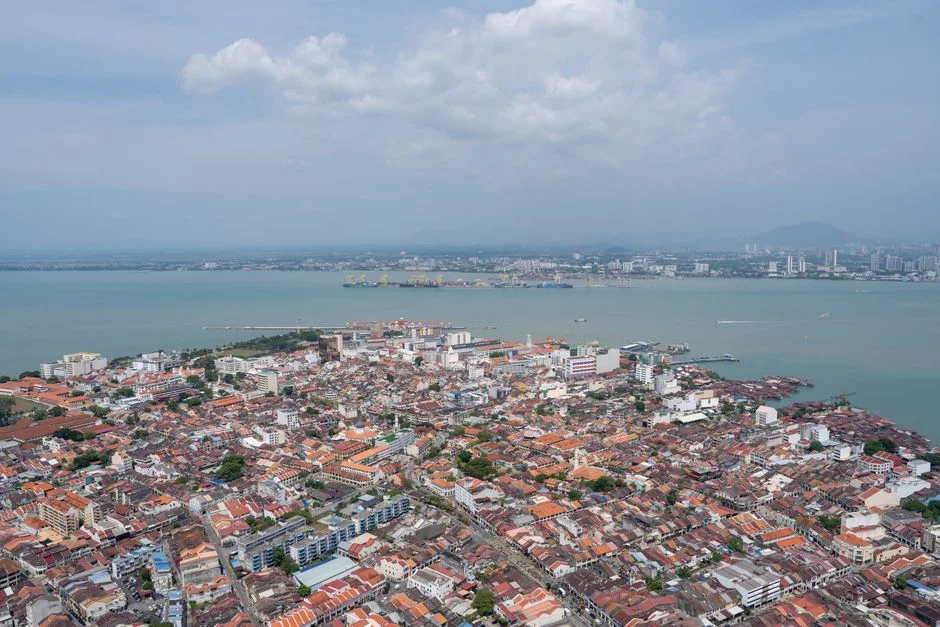
Indonesian groups have accused the government of gross negligence during a class-action hearing regarding the ongoing forest fires, marking a sharp escalation in legal pressure over the recurring haze crisis. The criticism comes as thick haze blankets parts of the archipelago, with visibility in Palembang dropping to just 400 metres and prompting over 100 local searches for updates on the situation.
Legal Challenges Mount Amidst Poor Air Quality
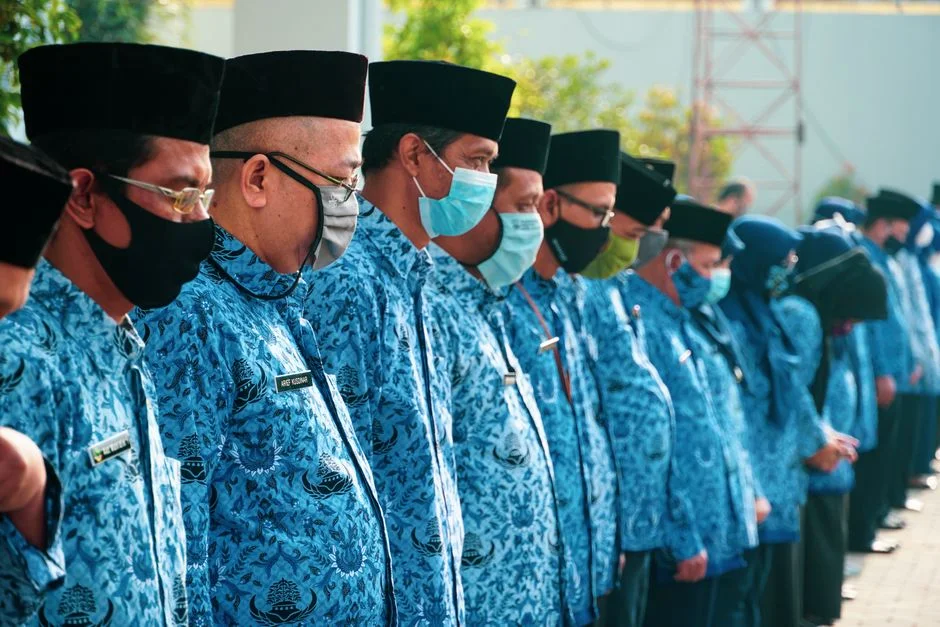
Indonesian civil society organisations highlighted the government's absence as a key failure during the hearing. The class-action lawsuit seeks accountability for the environmental damage caused by the fires, which have been exacerbated by dry conditions and land-clearing practices. The lack of representation from state authorities suggests a disconnect between the government's legal strategy and the public's demand for transparency. This absence has intensified scrutiny on how the state manages its vast forest resources and the economic fallout from the smoke plumes.
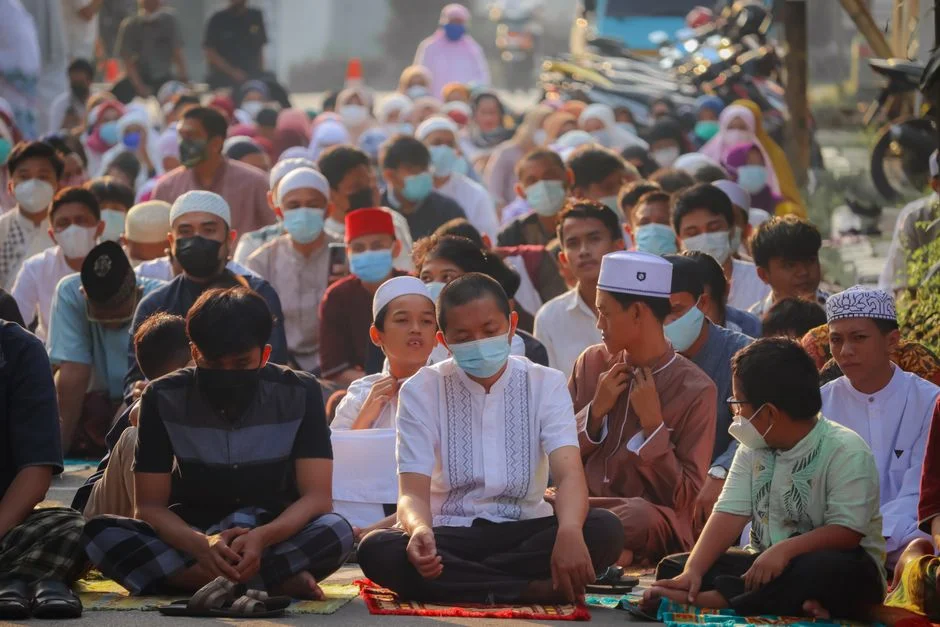
Visibility conditions in Palembang serve as a tangible indicator of the crisis severity. The thick haze has disrupted daily life and raised immediate health concerns for residents. The high search volume for "Indonesia haze" in Singapore reflects the regional anxiety, as air quality indices fluctuate depending on wind patterns. The visual impact of the smoke is a primary driver of public anger, translating into legal and political pressure on Jakarta.
The lawsuit represents a growing trend of citizen-led accountability in environmental governance. By targeting the government directly, the plaintiffs are arguing that state inaction has worsened the fire season. This legal approach shifts the narrative from a natural disaster to a manageable crisis of governance. The outcome could set a precedent for future environmental liabilities in the region.
Regional Implications and Supply Chain Concerns
The haze is not confined to Indonesia; it drifts across the region, affecting Singapore and neighbouring countries. The air quality index in Singapore often rises during peak haze periods, prompting schools to close and outdoor activities to be restricted. This cross-border pollution highlights the interconnectedness of Southeast Asian ecosystems and economies. The legal developments in Indonesia will likely influence how neighbouring states negotiate air quality agreements and trade relations.
Supply chains in the region are sensitive to environmental disruptions. The haze can affect aviation, shipping, and logistics operations, leading to delays and increased costs. For Singapore, a major logistics hub, even minor disruptions can ripple through global trade networks. The legal outcomes in Indonesia may also impact foreign investment in the palm oil and pulp and paper sectors, which are major drivers of land clearing.
Regulatory competitiveness is increasingly tied to environmental performance. Companies operating in the region must navigate not only market risks but also legal and reputational risks. The lawsuit underscores the growing importance of environmental, social, and governance (ESG) criteria in investment decisions. Investors are watching closely to see how the Indonesian government responds to these legal challenges.
The haze crisis also tests regional cooperation mechanisms. ASEAN has long struggled to enforce binding air pollution agreements. The class-action lawsuit adds a domestic legal dimension to the diplomatic efforts. It suggests that citizens are taking matters into their own hands when state-level diplomacy seems insufficient. This grassroots pressure could force governments to act more decisively in future fire seasons.
As the legal proceedings continue, the focus will remain on the government's accountability and the practical steps taken to mitigate the fires. The outcome could reshape the landscape of environmental law in Indonesia and influence regional policies. Stakeholders in Singapore and beyond are waiting to see how this case unfolds and what it means for future haze seasons.
See Also


- Deloitte India Slams Corporate AI Lag — Markets React
- Tony Abbott Vows to Lead 'People's Revolt' Against Labor Amid Liberal Party Change
The legal outcomes in Indonesia may also impact foreign investment in the palm oil and pulp and paper sectors, which are major drivers of land clearing.Regulatory competitiveness is increasingly tied to environmental performance. For Singapore, a major logistics hub, even minor disruptions can ripple through global trade networks.
What is the latest news about indonesia faces haze lawsuit as visibility drops in palembang?
Why does this matter for politics-governance?
What are the key facts about indonesia faces haze lawsuit as visibility drops in palembang?