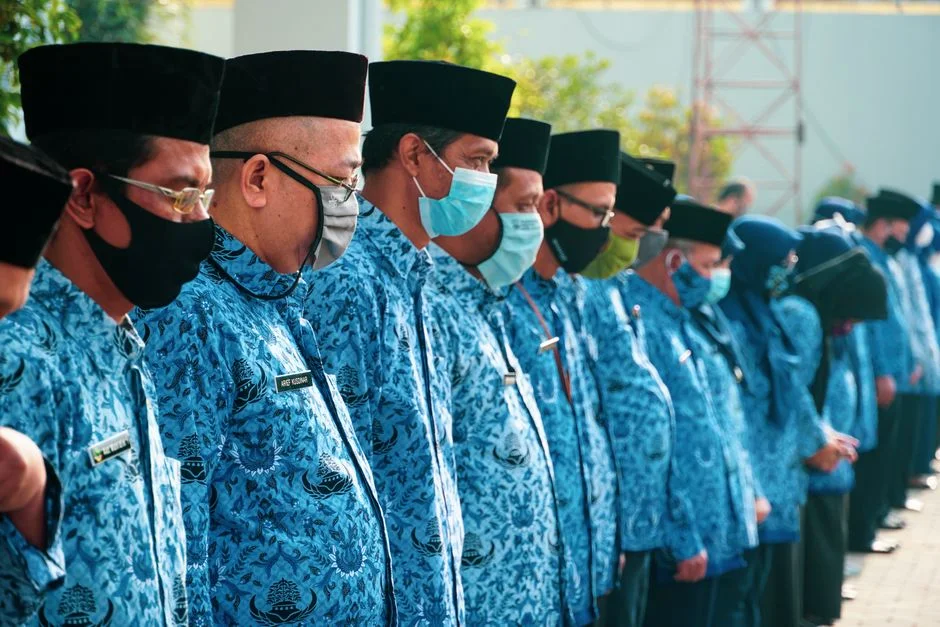
Malaysia faces a severe environmental challenge as unhealthy air quality has been recorded in approximately 30 areas across the country, due to the widespread haze. The haze, originating from forest fires in neighbouring Indonesia, continues to impact daily life and health standards. This environmental issue has not only become a domestic concern but also a regional one, with Malaysia and Brunei planning to raise cross-border haze issues at the upcoming ASEAN meeting.
Immediate Response and Key Actors
The Malaysian government has activated various measures to combat the deteriorating air quality. Among these, the Ministry of Environment and Water has been closely monitoring the situation, issuing advisories to the public to limit outdoor activities and to wear masks when necessary. Public health services have been put on high alert to deal with potential respiratory health issues among the population.
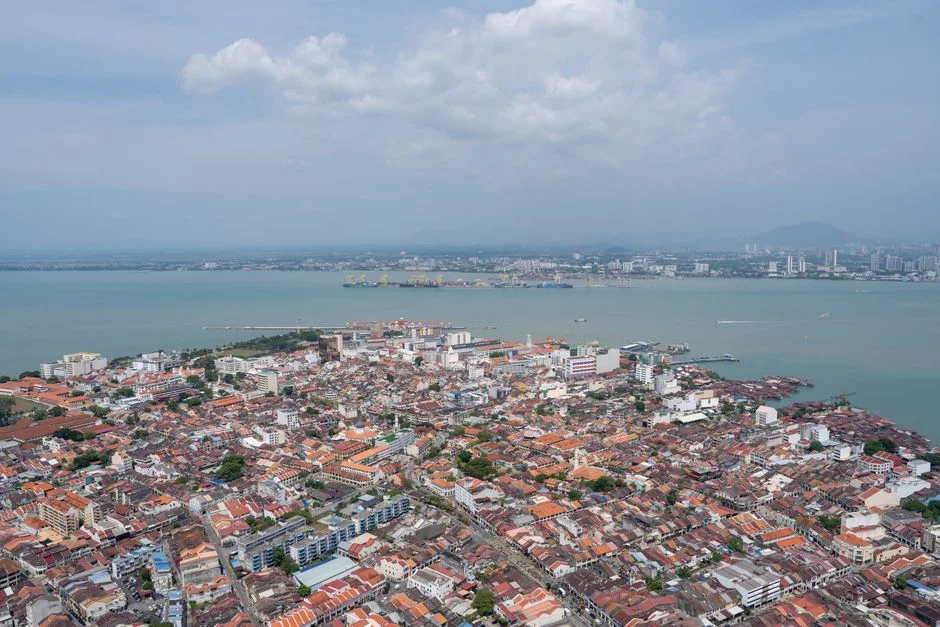
In response to the persistent haze problem, Indonesia has agreed to open its airspace to facilitate cloud seeding operations, aimed at inducing rain to clear the haze. This decision marks a significant collaborative effort in addressing transboundary pollution, a recurring issue for Southeast Asia.
Meanwhile, Malaysia and Brunei have expressed their intentions to bring the cross-border haze issue to the ASEAN platform. The goal is to foster a collective response among member states, ensuring that adequate and timely measures are in place to address such environmental challenges.
Malaysia’s Haze Management Efforts
- Monitoring air quality in cities and rural areas
- Issuing public health advisories and guidelines
- Collaborating with neighbouring countries for regional solutions
- Enhancing firefighting efforts in affected areas
The Malaysian Meteorological Department has also been actively investigating weather patterns to better predict haze dispersal. Such efforts are crucial in planning preventive measures and ensuring public safety. The coordination with Indonesian authorities for cloud seeding operations is expected to alleviate some of the immediate effects of the haze.
Local businesses, particularly in sectors such as tourism and outdoor recreation, have borne significant economic impacts due to the haze. These industries, heavily reliant on favourable weather conditions, are facing potential losses with the continued deterioration of air quality. The government is exploring options to provide relief and support to affected businesses during this period.
Background and Regional Significance
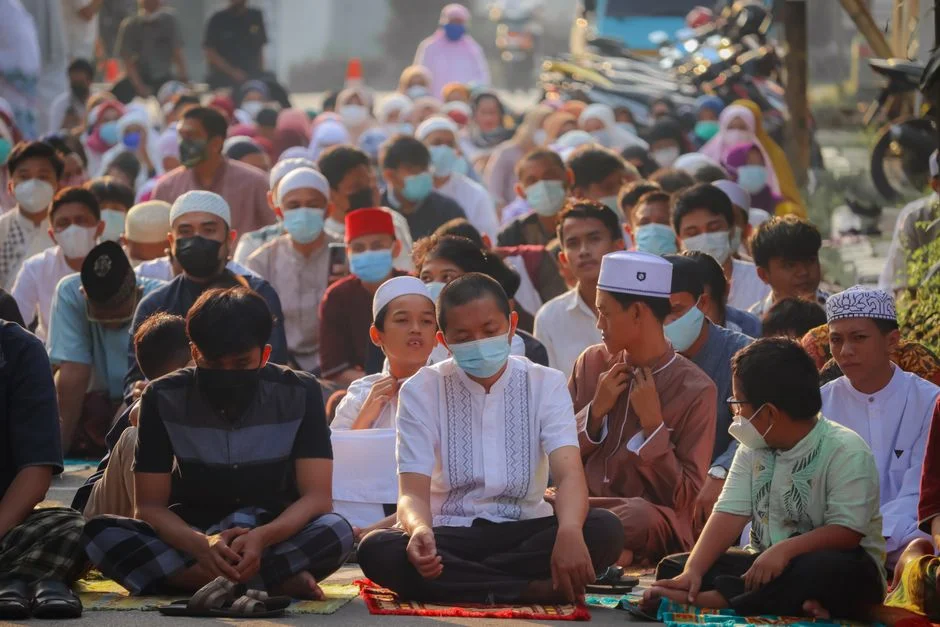

Haze caused by forest fires is not a new phenomenon for Southeast Asia. Historically, this issue has strained diplomatic relations among ASEAN members, especially between Malaysia, Indonesia, and Singapore. The practice of 'slash-and-burn' agriculture in Indonesia is a perennial problem, leading to significant air pollution during the dry season.
In past years, concerted efforts to address these fires have included legislative changes and stronger enforcement against illegal burning. However, the recurring nature of the haze indicates persistent challenges, such as inadequate enforcement and the need for more sustainable agricultural practices.
For ASEAN, the haze crisis is a litmus test of its environmental cooperation and governance frameworks. The regional bloc's commitment to a haze-free ASEAN has been long-standing, yet achieving tangible results remains difficult. The haze not only affects public health but also disrupts aviation and logistics sectors, impeding trade and travel across the region.
Why Singapore Should Pay Attention
For Singapore, the haze is both a local and regional concern. The island nation, known for its stringent environmental policies and high living standards, is directly affected by the haze that drifts across its borders. The worsening air quality can lead to increased medical costs and loss of productivity, impacting the nation’s economic stability.
Singapore has historically played a proactive role in addressing the haze issue through diplomatic channels and regional cooperation. Singaporean authorities continue to monitor air quality closely, and the government has been investing in research to understand and mitigate haze impacts better.
Furthermore, the haze crisis underscores the importance of regional supply chain resilience. Singapore's position as a global logistics hub means that any disruption in air travel or maritime shipping due to poor visibility can have widespread economic repercussions. Ensuring continuity in supply chains amid environmental challenges is crucial for maintaining trade flows and economic stability.
Broader Implications and Future Outlook
The current haze crisis brings to the forefront the broader implications of environmental degradation on public health and economic activities in Southeast Asia. It serves as a stark reminder of the urgent need for regional and international cooperation in addressing transboundary pollution issues.
The forthcoming ASEAN meeting, where Malaysia and Brunei plan to address the haze issue, could serve as a stepping stone for stronger collaborative efforts. Discussions are expected to focus on enhancing cross-border regulatory frameworks, sharing technological advancements in fire management, and increasing investments in sustainable agricultural practices.
Looking forward, ASEAN's ability to tackle the haze effectively will likely hinge on its commitment to enforce existing agreements and explore new avenues for cooperation. As climate change exacerbates weather conditions conducive to forest fires, the urgency of establishing a robust haze mitigation strategy cannot be overstated.
Ultimately, the ongoing haze situation serves as a critical lesson for the region. It highlights the intricate interplay between environmental management, public health, and economic resilience. Stakeholders must remain vigilant and proactive in implementing solutions that safeguard both the immediate and long-term interests of their populations and economies.
The ASEAN meeting, scheduled later this year, will be a pivotal moment in shaping the region’s environmental strategy. Observers will be keenly watching for any new commitments and collaborations that emerge, potentially setting a precedent for tackling similar challenges in the future. This meeting not only represents an opportunity for addressing the haze crisis but also for reinforcing ASEAN's role in international environmental governance.
The Role of Technology and Innovation in Combating Haze
As Southeast Asia grapples with the recurring haze problem, technology and innovation emerge as crucial tools in both mitigating and preventing future crises. In recent years, advancements in satellite technology and data analytics have significantly improved the ability to monitor forest fires and haze spread in real-time.
Governments and environmental agencies are increasingly relying on satellite imagery to track the progression of fires and identify key hotspots. This real-time data allows for swift action, enabling firefighting teams to deploy resources more effectively and assess the potential impact on air quality across borders.
Moreover, drones equipped with thermal imaging have become invaluable in areas difficult to access by ground teams. These drones can accurately map fire fronts and provide critical information for strategizing firefighting efforts. By integrating artificial intelligence, these systems can predict fire behavior based on weather patterns and terrain, offering a proactive approach to fire management.
In the agricultural sector, technological innovation plays a pivotal role in promoting sustainable practices. Precision agriculture, which involves the use of sensors and data analytics, helps farmers optimize resource use and reduce reliance on slash-and-burn techniques. By adopting such methods, farmers can increase yield while minimizing environmental impact, addressing one of the root causes of the haze.
Cross-border collaboration in technological research and development is another area ripe for enhancement. By pooling resources and expertise, ASEAN countries can develop shared platforms for data sharing and early warning systems. This collective approach not only strengthens regional resilience against haze but also reinforces diplomatic ties through cooperative environmental management.
However, the implementation of technology solutions is not without challenges. High costs and the need for specialized training can hinder widespread adoption, particularly in rural and economically disadvantaged areas. To overcome these barriers, governments could consider subsidizing technology costs and investing in training programs to equip local communities with the necessary skills.
Additionally, engaging the private sector through public-private partnerships can accelerate technological deployment. Companies specializing in environmental technology can collaborate with governments to pilot innovative solutions, offering a scalable model for other regions facing similar challenges.
The potential of technology in combating haze is vast, but it requires strategic investment and a commitment to continuous improvement. As ASEAN leaders prepare to discuss environmental issues at the upcoming meeting, technology and innovation should be high on the agenda, with a focus on long-term sustainability and resilience.
Community Engagement and Public Awareness
While technology plays a crucial role in addressing the haze, community engagement and public awareness are equally important in fostering a culture of environmental responsibility. Public education campaigns can significantly impact how communities perceive and respond to haze-related challenges.
Educational initiatives aimed at raising awareness about the health risks associated with haze exposure can empower individuals to take necessary precautions. By providing clear and accessible information on air quality indices and protective measures, governments can help mitigate the health impacts of haze on vulnerable populations.
Community involvement in environmental conservation efforts can also drive meaningful change. Local groups and non-governmental organizations (NGOs) can play a pivotal role in educating communities about sustainable land management practices. By promoting alternatives to slash-and-burn agriculture, such initiatives can reduce the incidence of forest fires and subsequent haze.
Furthermore, schools and universities can incorporate environmental education into their curricula, fostering a generation of environmentally conscious citizens. Engaging young people in conservation projects and encouraging participation in environmental advocacy can instill a sense of responsibility towards the environment from an early age.
Social media platforms offer another avenue for raising awareness and mobilizing community action. Campaigns that highlight the impact of haze and encourage sustainable practices can reach a broad audience, prompting collective efforts to address the issue. Influencers and public figures can leverage their platforms to advocate for environmental policies and inspire their followers to take action.
Ultimately, building a robust public awareness framework requires collaboration between governments, educational institutions, NGOs, and the media. By working together, these stakeholders can create a comprehensive strategy that not only addresses the immediate haze crisis but also fosters long-term environmental stewardship.
Looking Ahead: Regional Cooperation and Policy Development
The haze crisis underscores the necessity for robust regional cooperation and policy development. As Malaysia, Brunei, and other ASEAN nations prepare for the upcoming meeting, the focus will undoubtedly be on strengthening existing frameworks and establishing new policies to combat transboundary haze.
One key area for development is the enhancement of the ASEAN Agreement on Transboundary Haze Pollution. By revisiting and potentially revising this agreement, member states can address existing gaps and enforce stricter compliance measures. This could include setting clear accountability standards and imposing penalties for non-compliance.
Investment in research and development for sustainable land use practices is another critical area for policy focus. By supporting initiatives that promote reforestation, agroforestry, and other sustainable practices, ASEAN countries can address the root causes of forest fires and reduce the incidence of haze.
Regional cooperation can also be bolstered by establishing a centralized ASEAN environmental task force. Such a body could facilitate the coordination of resources and expertise, ensuring a swift and unified response to environmental crises. Regular training and capacity-building workshops can strengthen the capabilities of member states in dealing with haze and other transboundary environmental issues.
As the region continues to confront the challenges of climate change, fostering a collaborative approach to environmental governance is paramount. By prioritizing regional unity and shared responsibility, ASEAN can pave the way for a sustainable and haze-free future, ensuring the well-being of its people and the prosperity of its economies.