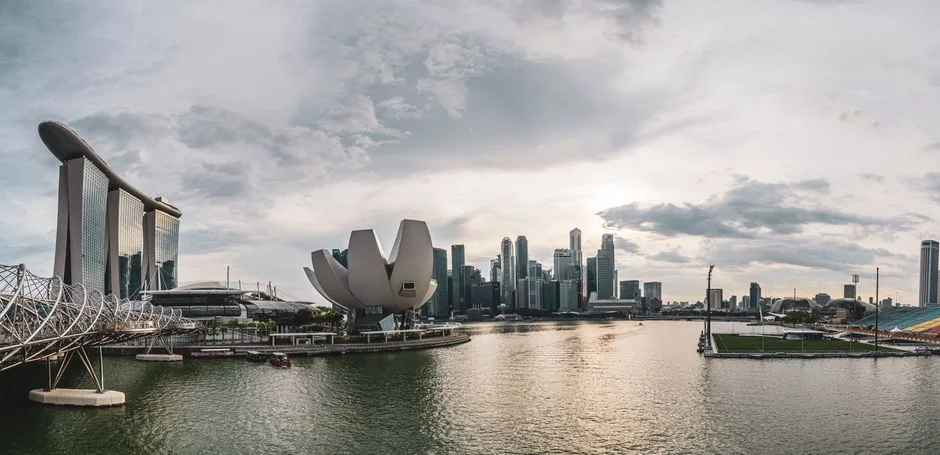
Sentosa, once hailed as the ultimate weekend getaway for Singapore residents, is undergoing a significant transformation. With ambitious plans in motion, authorities aim to rejuvenate the island and restore its appeal as a prime leisure destination. However, as commentator Annie Tan suggests, regaining Sentosa’s former allure may present considerable challenges, both economically and in terms of market perception.
Sentosa's Transformation Agenda
In recent years, Sentosa has seen declining visitor numbers, prompting government and business leaders to launch a revitalization campaign. The plan includes upgrading attractions, improving accessibility, and enhancing hospitality services, all aimed at increasing footfall and boosting the island's economic viability. These efforts are designed to breathe new life into Sentosa and secure its position as a top choice for local and international visitors alike.
Key stakeholders, including the Sentosa Development Corporation, are spearheading these initiatives. Their focus is on elevating the island's attractiveness by introducing cutting-edge amenities and experiences that appeal to a broader audience. Notably, the integration of sustainable and eco-friendly practices is also a priority, aligning with Singapore's larger environmental goals.
The financial implications of these developments are substantial. Industry insiders estimate that the rejuvenation could inject significant investment into Singapore's economy, providing a much-needed stimulus in the wake of global economic uncertainties. However, the success of these plans heavily depends on effective execution and the ability to market Sentosa as a premier destination.
The challenge lies not only in the physical transformation but also in changing public perceptions. Over the years, Sentosa has faced stiff competition from other leisure destinations, both within and outside Singapore. To overcome this, the marketing strategy will need to emphasize unique experiences and the island's value proposition, positioning Sentosa as more than just a retreat but a cultural and entertainment hub.
Competitive Challenges and Economic Impact

As Sentosa embarks on this ambitious journey, it faces significant competitive challenges. Regional tourism hotspots such as Bali, Phuket, and even Malaysia’s own Langkawi offer compelling alternatives that have historically drawn tourists away from Sentosa. Each of these destinations boasts unique attractions and has worked to enhance their offerings, drawing a clear line of competition.
This competitive landscape underscores the need for Sentosa to differentiate itself robustly. Developing exclusive attractions and experiences tailored to specific demographics, such as family-oriented activities, upscale dining, and adventure sports, could help carve out a niche market segment. Moreover, maintaining competitive pricing for these offerings will be crucial in attracting and retaining visitors.
Economically, the revitalization plans are expected to generate employment opportunities, both during the construction phase and in the long-term operational aspects. This is a positive forecast amid a global economic slowdown affecting various sectors. Increased tourism and spending on the island are anticipated to lift ancillary businesses in Singapore, from retail to food and beverage sectors, thus providing a holistic boost to the economy.
Investors are watching Sentosa’s development closely. The island’s success could set a precedent for similar projects in the region, making it both a litmus test and a model for rejuvenation initiatives. For potential investors, a successful Sentosa offers not only financial returns but also a strategic platform to engage with a burgeoning travel and leisure market in Asia.
Looking Forward: Monitoring the Rejuvenation
As Sentosa moves forward with its rejuvenation plans, several factors will be critical in determining the island's future success. The timeline for redevelopment is aggressive, with key milestones set for the coming years. Achieving these targets will require seamless coordination between government agencies, private investors, and local businesses.
Monitoring visitor numbers and feedback will be essential in gauging the effectiveness of the new developments. Real-time data collection and analysis should guide continual improvements and adjustments to the island's offerings. Moreover, how Singapore can leverage its advancements in digital infrastructure could enhance Sentosa’s appeal, integrating smart technology in visitor experiences.
In the broader context, Sentosa’s redevelopment will serve as a barometer of how Singapore adapts to the evolving demands of the tourism sector. As the world emerges from the pandemic, travel habits and preferences have shifted, placing a premium on safety, health measures, and digital accessibility. Sentosa’s ability to align with these shifts will be integral to its success.
The coming months will be pivotal as plans progress from paper to reality. Investors and market analysts will be watching closely to see if Sentosa’s rejuvenation can indeed rekindle its magic and sustain its economic viability. For now, the island stands at a crossroads, with its future hanging in the balance.
Community Engagement and Local Partnerships
A crucial component of Sentosa's transformation strategy is engaging the local community and fostering partnerships with Singaporean businesses. By integrating local culture and talent into the island's offerings, Sentosa can create a more authentic and appealing experience for visitors. This approach not only supports local entrepreneurs but also enriches the island's cultural tapestry.
Efforts to include local artists, chefs, and craftsmen in Sentosa's attractions could provide a unique platform for showcasing Singapore's rich cultural heritage. Events such as art festivals, culinary showcases, and craft fairs could serve as regular features, drawing both tourists and Singaporeans to the island. This strategy also aligns with a growing trend in tourism that values authentic, local experiences over generic, commercial attractions.
Local partnerships extend beyond cultural initiatives. Collaborations with Singapore-based tech firms could lead to innovative solutions that enhance visitor experiences. For example, augmented reality tours or interactive digital guides could offer immersive ways to explore Sentosa’s attractions, blending technology with tourism in a manner that resonates with tech-savvy visitors.
Moreover, educational partnerships with local schools and universities could foster a sense of ownership among the younger generation. Student projects, internships, and research opportunities related to Sentosa's redevelopment can provide practical learning experiences while contributing fresh ideas and perspectives to the island's transformation.
Balancing Development with Environmental Sustainability
As Sentosa undergoes its ambitious makeover, maintaining a balance between development and environmental sustainability remains a core challenge. Singapore has long been a proponent of sustainable urban development, and Sentosa's transformation is expected to reflect these values. The incorporation of green technologies and eco-friendly practices is not just a response to global environmental concerns but also a strategic move to attract environmentally conscious travelers.
Initiatives such as expanding green spaces, enhancing biodiversity, and implementing sustainable waste management systems are integral to the island's rejuvenation plan. These efforts could be complemented by educational programs that raise awareness about conservation and sustainability, potentially turning Sentosa into an exemplar of eco-tourism in the region.
Furthermore, the island's redevelopment could include the construction of eco-friendly accommodations and venues, powered by renewable energy sources. Such measures not only reduce the environmental footprint but also appeal to a growing segment of tourists who prioritize sustainability in their travel choices.
Balancing economic growth with ecological preservation requires careful planning and execution. Engaging environmental experts and stakeholders in the planning process can ensure that Sentosa's development aligns with broader environmental goals. This collaboration can help mitigate potential ecological impacts and secure the island's long-term viability as a sustainable destination.
Anticipating Future Trends in Tourism
As Sentosa positions itself for the future, it must anticipate and adapt to emerging trends in the tourism industry. One of the most significant shifts is the growing demand for personalized and experiential travel. Visitors are increasingly seeking tailored experiences that cater to their specific interests and preferences, whether it's adventure, wellness, or cultural immersion.
To capitalize on this trend, Sentosa could develop customizable tour packages and thematic experiences that allow visitors to curate their own itineraries. This flexibility not only enhances visitor satisfaction but also encourages repeat visits, as travelers return to explore new facets of the island.
Another trend reshaping the tourism landscape is the rise of digital nomadism. With remote work becoming more prevalent, destinations that offer reliable digital infrastructure and conducive environments for work and leisure are gaining popularity. Sentosa could tap into this market by offering co-working spaces with stunning views, coupled with leisure activities that provide a work-life balance.
Health and wellness tourism is also on the rise, especially in the wake of the COVID-19 pandemic. Sentosa's transformation could include wellness retreats, spa facilities, and fitness programs that cater to this burgeoning market. By promoting health and wellness alongside leisure, Sentosa can appeal to travelers seeking rejuvenation and relaxation.
As Sentosa navigates these evolving trends, its ability to innovate and adapt will be crucial. Continuous market research and feedback mechanisms can provide insights into visitor preferences and emerging opportunities, ensuring that the island remains at the forefront of the tourism industry.
In conclusion, the journey to rejuvenate Sentosa is multifaceted, involving community engagement, sustainable practices, and responsiveness to global tourism trends. By aligning with these elements, Sentosa can not only regain its former glory but also establish itself as a leader in sustainable and innovative tourism development. As the island embarks on this transformative path, it offers a promising vision of how destinations can evolve to meet the needs of a changing world.
See Also
- Filipina Faces Trial Over Cambodia Scam Centre Targeting Singapore Victims
- India's Communists Fade Away — Impacting Business and Investment Landscape