The Olympic Council of Asia confirmed on Monday that accommodation for the upcoming Asian Games is fully secured, despite a sudden surge in athlete and official registrations that threatened to strain local resources. Organisers stated that last-minute negotiations with major hotel chains in the host city have resolved potential capacity gaps, ensuring that all registered participants will have housing before the opening ceremony. This resolution comes just weeks before the event begins, removing a critical logistical bottleneck that had drawn scrutiny from international sports federations and local business partners.
Logistical Tightrope: Securing Rooms in a High-Demand Market
The Asian Games typically attract over ten thousand athletes, officials, and media personnel, creating a massive demand spike for hotel rooms in the host city. In recent years, major Asian cities have struggled to balance the temporary influx of visitors with the needs of local tourism and business travelers. This time, the OCA reported that registration numbers exceeded initial projections by nearly fifteen percent, pushing the demand for rooms into the upper quartile of historical data. The sudden increase required rapid coordination between the Games organising committee and local hospitality providers to guarantee availability.
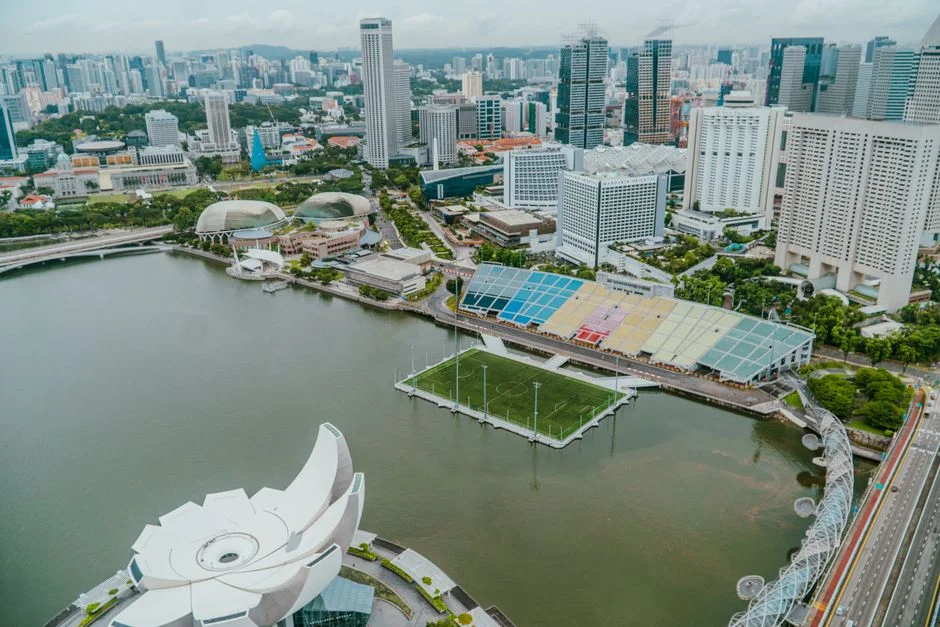
Organisers relied on a mix of dedicated athlete villages and partner hotels to absorb the overflow. The athlete village, a permanent or semi-permanent housing complex built specifically for the event, houses the majority of competitors. However, it cannot accommodate everyone, particularly non-competing officials, delegation heads, and media representatives. The remaining slots were filled by negotiating block bookings with five-star and four-star hotels within a ten-kilometer radius of the main venues. These agreements often include clauses that allow for last-minute room reallocation if certain delegations decide to reduce their travel party size.
The hospitality sector in the host city welcomed the confirmation. Hotel occupancy rates are expected to remain above ninety percent throughout the Games period, providing a significant revenue boost for local businesses. Restaurant owners, taxi firms, and retail shops located near the venues and hotels stand to benefit from the extended stays of visitors. The surge in registrations suggests strong interest from Asian nations, indicating that the Games have regained their status as a premier regional sporting spectacle. This economic ripple effect is vital for justifying the substantial public and private investment required to stage such a large-scale event.
Supply chain resilience plays a crucial role in these logistical arrangements. The ability to secure rooms quickly depends on the flexibility of hotel management systems and the willingness of providers to hold inventory. In the past, rigid cancellation policies and high deposit requirements sometimes led to last-minute conflicts. This year, the OCA mandated more flexible terms for partner hotels, allowing for easier adjustments as final travel lists were confirmed. This approach minimises the risk of empty rooms while ensuring that no athlete is left without a place to stay. It also demonstrates a shift towards more collaborative contracting models in major event logistics.
Budget Pressures and the Cost of Guarantee


Securing accommodation at scale is not merely a logistical exercise; it is a financial commitment that impacts the overall budget of the Games. The surge in registrations means higher operational costs for transportation, catering, and security. Each additional delegate requires a shuttle bus seat, a meal ticket, and a security pass. These marginal costs add up quickly when multiplied by thousands of people. The organising committee must now account for these increased expenses in their final financial reports, which are often subject to public scrutiny.
Local authorities have also stepped in to support the accommodation push. Municipal governments often provide tax incentives or utility subsidies to partner hotels to encourage them to reserve rooms for the event. These incentives reduce the net cost for the organisers while ensuring that hotels remain profitable. The government’s involvement highlights the strategic importance of the Games to the local economy. It is not just about sport; it is about showcasing the city’s infrastructure and organisational capabilities to the wider Asian community.
The confirmation of accommodation also signals confidence among participating nations. Countries that have delayed their final travel arrangements are likely to proceed now that they know housing is guaranteed. This reduces the uncertainty that often plagues international events, where last-minute cancellations can disrupt planning. The OCA’s statement serves as a green light for national Olympic committees to finalise their logistics, including flight bookings and visa applications. This downstream effect accelerates the entire preparation timeline, allowing other operational elements to move forward without delay.
However, the surge in registrations is not without its challenges. Accommodating more people than anticipated can lead to overcrowding in public spaces and venues. Traffic management systems must be scaled up to handle the increased volume of vehicles. Waste management and recycling protocols need to be adjusted to cope with higher consumption rates. These operational adjustments require precise coordination between the Games’ logistics team and local service providers. Any failure in these supporting services could detract from the experience of athletes and visitors, affecting the overall reputation of the event.
Regional Competitiveness and Future Implications
The Asian Games serve as a barometer for regional competitiveness in hosting major events. Cities that can successfully manage accommodation surges demonstrate strong governance and business acumen. This capability enhances their attractiveness for future bids, whether for sports events, international conferences, or trade exhibitions. The ability to scale operations quickly is a key metric for evaluating the maturity of a city’s event industry. It reflects the depth of local expertise and the robustness of supply chains in the hospitality and transport sectors.
Technology plays a growing role in managing these logistical complexities. Digital platforms now track room inventory, booking status, and real-time availability, allowing organisers to make data-driven decisions. Mobile apps enable athletes to check into their rooms and access event information seamlessly. These digital tools reduce friction and improve the user experience, which is increasingly important in a competitive global market for events. The integration of technology into accommodation management is a trend that will likely spread to other major sporting events across Asia.
The confirmation of accommodation also has implications for local real estate and construction sectors. Hotels that partner with the Games often undergo renovations or upgrades to meet the required standards. These improvements benefit the local economy by creating jobs and stimulating demand for building materials. The event acts as a catalyst for infrastructure development, leaving a legacy of improved facilities that continue to serve the city long after the Games conclude. This long-term value proposition is a key argument for governments to invest in major events.
Looking ahead, the success of this accommodation strategy will influence how future Asian Games are planned. If the surge in registrations is sustained or grows, organisers may need to invest in larger athlete villages or adopt more flexible housing models, such as using university dormitories or conference centers. The lessons learned from this year’s experience will be documented and used to refine bidding processes and logistical frameworks. The goal is to create a more resilient and scalable model that can accommodate growth without compromising quality.
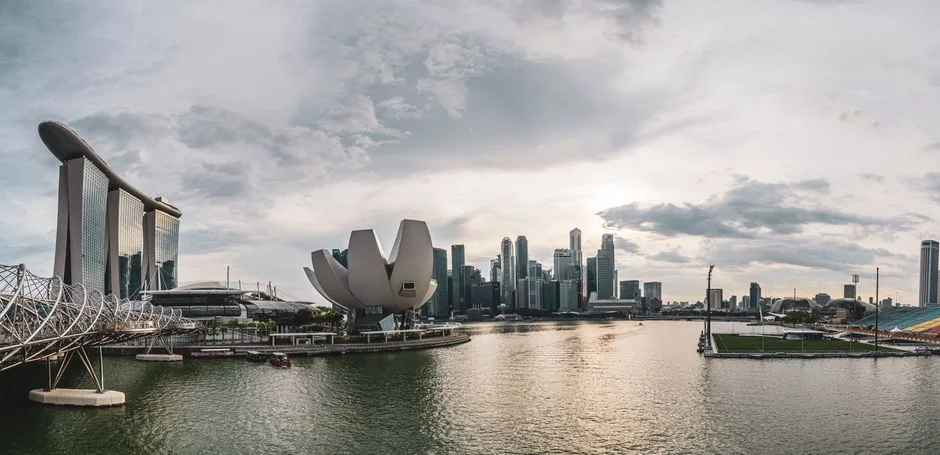
For Singapore and the broader Southeast Asian region, this development highlights the importance of agility in event management. As neighbouring countries compete to host major events, the ability to secure resources quickly and efficiently will be a decisive factor in winning bids. The Asian Games organisers have shown that with strong coordination and flexible partnerships, even unexpected surges in demand can be managed effectively. This sets a high bar for future events in the region and raises the stakes for local businesses that wish to participate in the global event economy.
The final phase of preparation now shifts from logistical securing to operational execution. Security protocols, transportation schedules, and volunteer training are entering their final stages. The focus is now on ensuring that the accommodation logistics translate into a smooth experience for everyone involved. Any remaining issues will be addressed through continuous monitoring and rapid response teams. The coming weeks will test the robustness of the plans put in place over the past few years.
As the Games approach, all eyes will be on the opening ceremony and the first competitions. The accommodation confirmation removes a major uncertainty, allowing the narrative to shift towards athletic performance and cultural exchange. The success of the event will be judged not just by the number of medals won, but by the seamless experience of the participants and the impression left on the global audience. The logistical foundation laid by this accommodation surge will either support or undermine that performance.
Readers should watch for updates on transportation schedules and venue access in the coming days. Organisers are expected to release detailed maps and shuttle routes soon, which will be critical for athletes and visitors navigating the city. The final countdown begins now, and the pressure is on to deliver a flawless execution of the plans that have been secured.
See Also
- China Expands Influence in the Pacific — A Quiet Village Becomes a Security Hub
- Myanmar Insurgents Trigger Huge Explosion, Killing Dozens in Rebel Village
What is the latest news about oca confirms asian games accommodation secured amid entry surge?
Why does this matter for sports?
What are the key facts about oca confirms asian games accommodation secured amid entry surge?