The Dalai Lama attended the swearing-in ceremony of Penpa Tsering as the President of the Tibetan government-in-exile in Dharamshala, India, on October 2, 2022. This event marks a critical moment in Tibetan politics and signifies a potential shift in India's approach to Tibetan affairs against the backdrop of ongoing China-India tensions.
Significance of the Event
Pope Francis and other international leaders have extended support to the Tibetan cause, and the Dalai Lama's presence at the ceremony reinforces the symbolic importance of Tibet's autonomy. Penpa Tsering's election as President of the Central Tibetan Administration (CTA) with a reported 70% of the votes reflects a growing mandate within the Tibetan community for more assertive advocacy for autonomy.

This development comes as India grapples with its own geopolitical strategies. Relations with China have been strained, particularly after border clashes in 2020, and Tibet remains a sensitive subject. With Penpa Tsering at the helm, the CTA may increase its calls for greater recognition of Tibetan rights and autonomy, potentially influencing India's diplomatic posture.
Impact on India's Market Dynamics
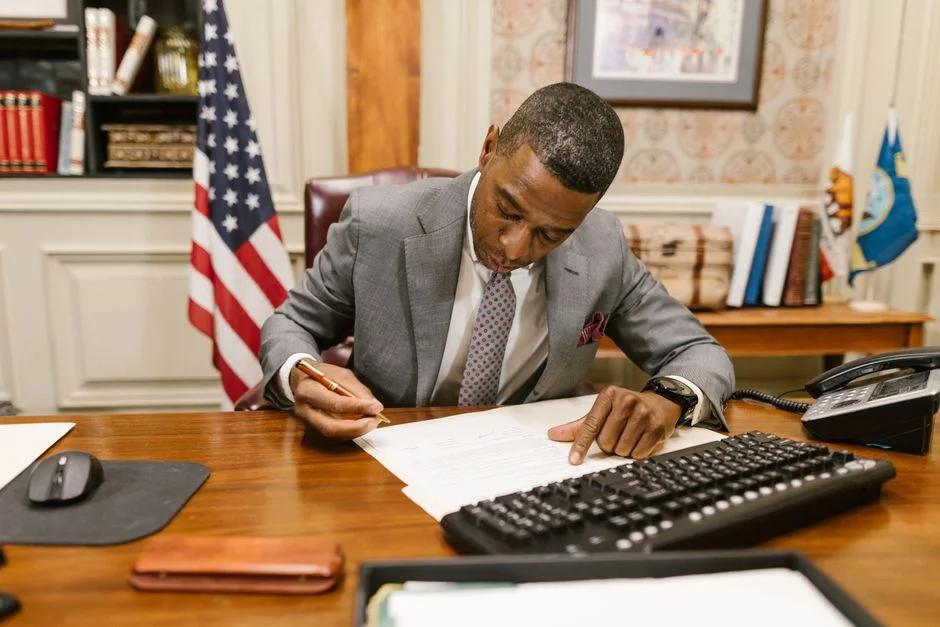

The appointment of Tsering could lead to changes in market perceptions, especially concerning sectors linked to China and Tibet. India's economy, particularly in industries such as tourism, trade, and technology, could face fluctuations as the government navigates heightened sensitivities regarding China.
Investors may respond cautiously to announcements from the CTA under Tsering's leadership, particularly if aggressive policies or statements provoke further backlash from Beijing. The Indian stock market, which recently stabilised after a turbulent year, could see shifts in sectors most affected by China-related policies.
International Relations and Business Implications
With the Dalai Lama's endorsement of Tsering, India may reassess its diplomatic strategies involving China. Increased advocacy for Tibetan rights could strain trade relations between India and China, which are vital to both nations' economies. China has been known to respond strongly to any perceived threats to its territorial integrity.
For Indian businesses, balancing relationships with both the Tibetan government-in-exile and Chinese corporations will be crucial. Industries such as textiles and pharmaceuticals, which rely on Chinese supplies or market access, may need to prepare for potential disruptions.
What’s Next for the Tibetan Government-in-Exile
Tsering's government is expected to focus on promoting Tibetan culture and language while enhancing international awareness of the Tibetan struggle. This focus could lead to increased support from diaspora communities, enhancing fundraising and public support initiatives.
Investor Sentiment and Economic Indicators
Market analysts are already speculating on the consequences of this political shift. A potential increase in unrest or protests in Tibet could lead to economic instability in the region, affecting tourism which is a key economic driver for Dharamshala.
Tourism operators in Dharamshala have reported a dip in visitors due to global travel restrictions and may look to the upcoming years to recover. The political climate surrounding the new administration could either benefit or hinder this recovery based on how it navigates its relationship with China.
Looking Ahead: What to Watch
With Penpa Tsering's presidency just beginning, the international and Indian communities will be watching closely for announcements regarding Tibet's future governance and autonomy movements. Notably, upcoming international dialogues could present new avenues for advocating Tibetan rights.
As tensions between India and China continue to evolve, the implications for both markets and businesses remain uncertain. Stakeholders should monitor developments within the Tibetan government-in-exile and their interaction with the Indian government, especially regarding economic partnerships and trade policies.
See Also
- Iranian American Woman Arrested in LA Over Arms Trafficking Allegations
- Kerala Chief Slams Congress, Communists in Election Win Speech