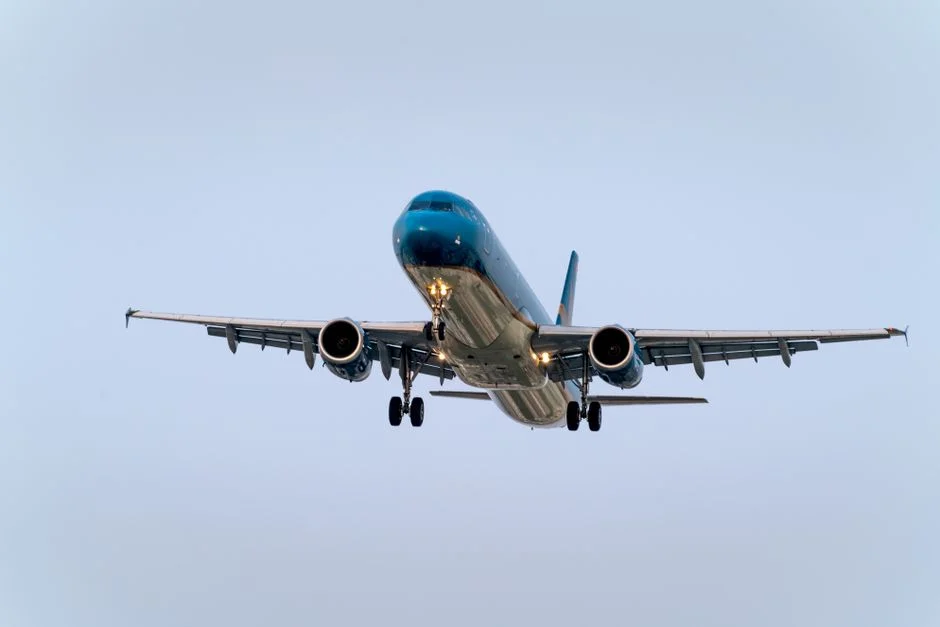
A Cathay Pacific Airways aircraft was evacuated at an Indian airport on Sunday after smoke was detected in the cabin following landing, according to initial reports. The incident occurred as the flight completed its journey, prompting crew members to initiate emergency procedures. Passengers were guided to safety as emergency responders arrived at the scene.
Emergency Response at the Airport
Ground crews and emergency services responded quickly after smoke was reported inside the aircraft. Officials at the airport confirmed the evacuation began shortly after the plane touched down. No casualties have been reported in the immediate aftermath of the incident. The specific airport in India has not yet been named in preliminary accounts.
Firefighting units arrived within minutes to assess the situation. Crew members worked alongside ground staff to ensure all passengers exited safely. The cause of the smoke remains under investigation by aviation authorities.
Aviation Safety Implications

The incident raises questions about cabin safety systems aboard Cathay Pacific aircraft. Smoke in the cabin can signal electrical malfunctions, overheating equipment, or mechanical failures. Aviation regulators will scrutinise maintenance records and recent inspection data for the aircraft involved.
Airline safety protocols require crews to initiate evacuations whenever smoke poses a risk to passengers. Cathay Pacific's response aligns with standard industry procedures for such emergencies.
Broader Safety Review Context
Aviation industry data shows that smoke and fire events account for a small percentage of in-flight incidents but carry high risk profiles. Regulatory bodies worldwide mandate rigorous inspection cycles to minimise such occurrences.
Cathay Pacific's Market Position
Cathay Pacific Airways operates one of the largest regional networks in Asia, connecting major hubs including Hong Kong with destinations across the continent. The airline competes for lucrative routes between Hong Kong and India, where passenger demand has shown steady growth. Any disruption to this route network could affect the carrier's revenue streams in the near term.
Investors track aviation safety incidents closely as they can influence insurance premiums and passenger confidence. Cathay Pacific shares trade on the Hong Kong Stock Exchange, and market reaction to the evacuation will likely become clearer when trading resumes.
Insurance and Liability Considerations
Aviation insurance providers typically assess incidents like this as part of broader risk calculations. Claims arising from emergency evacuations can include passenger compensation, aircraft damage assessment, and operational disruption costs. The insurance market for aviation risk remains competitive, with multiple underwriters active in the Asia-Pacific region.
Regulators in both India and Hong Kong may require detailed incident reports before clearing the aircraft for return to service. The turnaround time for investigation completion varies depending on the complexity of the technical inspection required.
Passenger Impact and Compensation
Passengers aboard the flight faced immediate disruption to their travel plans. Airlines generally provide alternative routing or refunds for affected travellers following operational incidents. Cathay Pacific's passenger care protocols will govern the handling of accommodation and rebooking requests.
The airline has not yet announced specific compensation measures. Customer service teams will likely coordinate with affected passengers over the coming days to arrange onward travel.
Regulatory Scrutiny Ahead
Indian aviation authorities retain jurisdiction over incidents occurring within their airspace and at their airports. The Directorate General of Civil Aviation will lead the formal investigation, with findings expected to inform any safety recommendations.
Cathay Pacific must submit incident reports to Hong Kong's Civil Aviation Department as well. International protocols require coordination between aviation regulators when an airline from one jurisdiction experiences an incident in another.
What to Watch
The investigation is expected to take several weeks to complete. Aviation analysts will monitor whether regulators issue any interim safety directives affecting Cathay Pacific's operations. The airline's next scheduled investor update or earnings commentary may address operational disruptions stemming from the incident. Passengers booked on Cathay Pacific India routes should check the carrier's website for the latest flight status updates.
See Also
- Yang Shuang Slams China Censorship: 'Taiwan Travelogue' Unpublishable
- Singapore Food Output Shifts: Eggs Dip as Veggies Rise