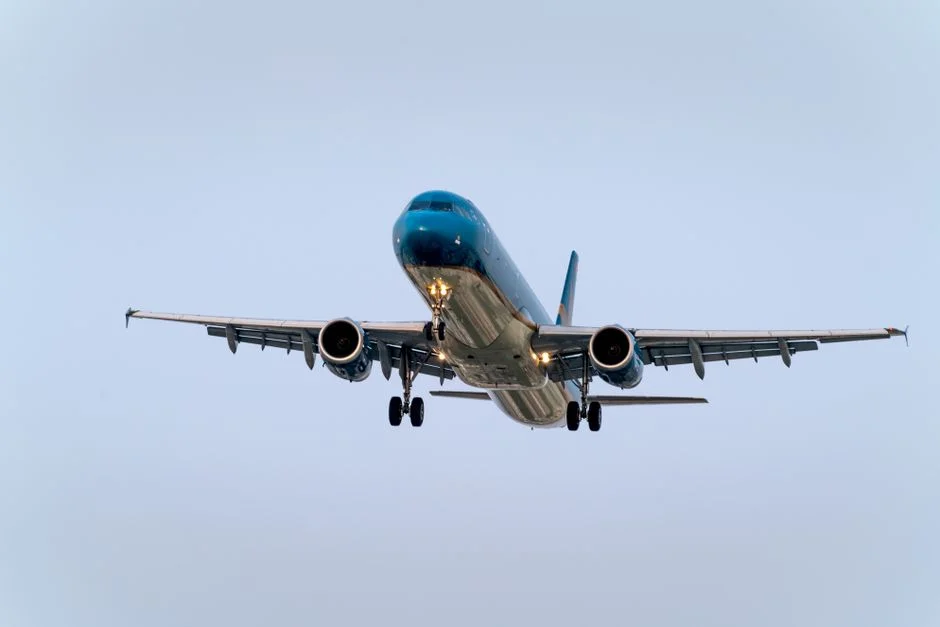
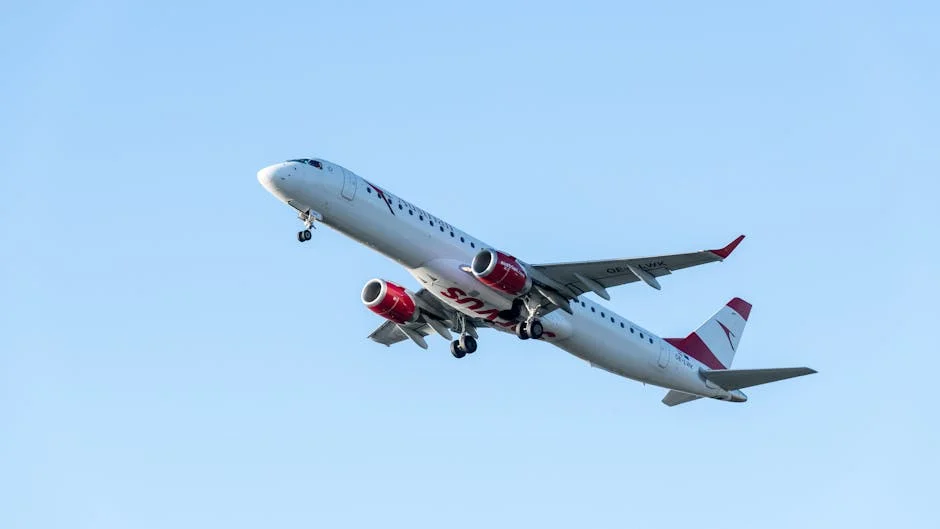
Hong Kong-based Cathay Pacific has been ordered to submit a formal report to aviation authorities after Hungarian fighter jets intercepted one of its passenger aircraft over Hungarian airspace. The incident, involving Cathay Pacific flight CX201 en route from Hong Kong to London, prompted immediate regulatory action from Hungarian aviation officials. The interception occurred as the aircraft traversed Hungarian territory, triggering protocols that required the airline to provide a detailed account of the flight's circumstances.
Aviation incident triggers regulatory response
The Hungarian Air Force scrambled MiG-29 fighter jets after the Cathay Pacific aircraft entered Hungarian airspace without the expected clearance, according to aviation tracking data. The aircraft, operating a routine service between Hong Kong and London, was forced to alter course following the military interception. No injuries were reported among the 300-plus passengers on board, but the incident triggered immediate scrutiny from aviation regulators in Budapest.

Hungarian aviation authorities issued the order requiring Cathay Pacific to submit a comprehensive incident report within 30 days. The directive mandates details including flight path data, crew communications, and the airline's internal assessment of what led to the airspace incursion. Aviation industry representatives confirmed the report must conform to International Civil Aviation Organization standards.
Market reaction and investor concerns


Cathay Pacific trades on the Hong Kong Stock Exchange under ticker 0293.HK, and the incident adds to a challenging period for the airline's investors. The carrier has faced mounting pressures from route disruptions, fuel cost volatility, and shifting travel demand patterns across Asia. Aviation sector analysts noted that military interceptions involving civilian aircraft typically result in heightened compliance costs and increased insurance premiums for affected carriers.
The airline's shares dipped following news of the interception, reflecting investor unease about potential regulatory penalties and reputational damage. Market observers pointed to comparable incidents involving other carriers that resulted in fines exceeding several hundred thousand dollars and mandatory safety audits. Cathay Pacific now faces the prospect of similar outcomes depending on findings in its submitted report.
Safety protocols and international aviation standards
The incident raises questions about communication protocols between civilian airlines and national air traffic control systems. Aviation safety experts told reporters that such interceptions typically occur when aircraft deviate from approved flight paths or fail to establish contact with regional air traffic authorities. The European Union Aviation Safety Agency declined to comment specifically on the Cathay Pacific case but emphasised that member states maintain strict enforcement of airspace regulations.
Cathay Pacific stated it is cooperating fully with Hungarian authorities and will provide all requested documentation within the specified timeframe. The airline's safety division has initiated an internal review to determine whether any procedural failures contributed to the airspace incursion. Industry observers noted that such internal reviews often inform the formal report and may result in additional training requirements for flight crews operating in sensitive regions.
Implications for Hong Kong aviation sector
The incident carries significance for Hong Kong's broader aviation industry, which operates under a distinct regulatory framework following the city's special administrative status. Cathay Pacific serves as a flagship carrier for the territory, connecting Asian markets with European destinations through routes that traverse multiple national airspaces. Any regulatory action against the airline could establish precedents affecting other Hong Kong-based carriers.
Hong Kong's Civil Aviation Department issued a statement confirming it was monitoring developments and standing ready to provide assistance to Cathay Pacific if required. The department coordinates with international counterparts on cross-border aviation incidents, a process that typically involves sharing safety data and operational information. Analysts noted that the department's involvement suggests the incident may have broader implications for how Hong Kong carriers operate in European airspace.
Broader aviation security context
Military interceptions of civilian aircraft occur periodically across global airspace, often triggered by miscommunication, navigational errors, or security concerns. NATO member states, including Hungary, maintain protocols for scrambling aircraft when unidentified or unresponsive aircraft enter restricted zones. Aviation security analysts noted that the frequency of such incidents has remained relatively stable in recent years, though heightened regional tensions can increase operational readiness.
The Cathay Pacific interception comes amid ongoing discussions about harmonising civilian-military airspace coordination across international aviation networks. The incident may inform future protocols governing how commercial aircraft transit regions with elevated military activity. Several aviation safety bodies have proposed enhanced communication systems designed to reduce the risk of similar encounters.
What happens next for Cathay Pacific
Cathay Pacific must deliver its formal report to Hungarian aviation authorities by the deadline specified in the regulatory order. The document will undergo review by Hungarian officials, potentially including representatives from the defence ministry given the military nature of the interception. Based on those findings, authorities may impose penalties ranging from financial fines to operational restrictions on the airline's Hungarian route privileges.
Investors and aviation industry participants will be watching closely for any communications from Cathay Pacific regarding the incident's resolution. The airline's next scheduled investor briefing is expected to address questions about the interception and its potential financial implications. Whether the incident results in lasting regulatory consequences or proves to be a temporary setback will depend largely on the findings in the mandatory report and subsequent regulatory determinations.
See Also
- Trump Breaks Protocol to Call Taiwan President — Markets React
- Malema Slams ANC's Bread Handouts, Calls for Health Care Focus: What It Means for South Africa's Economy
Analysts noted that the department's involvement suggests the incident may have broader implications for how Hong Kong carriers operate in European airspace. Implications for Hong Kong aviation sector The incident carries significance for Hong Kong's broader aviation industry, which operates under a distinct regulatory framework following the city's special administrative status.