German airline group Lufthansa has signalled a difficult road ahead for the remainder of 2026, citing persistent pressures across its core European markets while pointing to Asia Pacific as a rare bright spot in an otherwise challenging outlook.
Challenging Outlook for Lufthansa
The Frankfurt-headquartered carrier acknowledged on Thursday that the second half of 2026 will test its operational resilience. Rising costs, competitive pricing pressures, and softer demand in key European corridors have weighed on profitability projections for the months ahead. Lufthansa officials declined to specify exact financial targets but indicated that current conditions would fall short of earlier expectations.
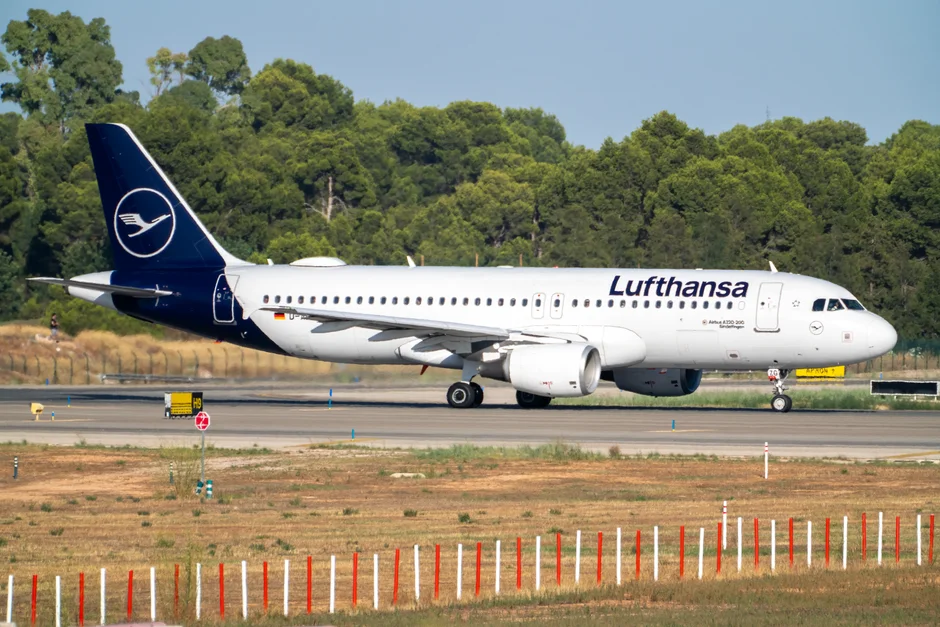
The assessment sent a cautionary note through European aviation markets, where carriers have grappled with uneven demand recovery and labour constraints since the post-pandemic travel surge moderated. Lufthansa, which operates a network spanning passenger services, cargo operations, and maintenance divisions, faces the added burden of navigating regulatory complexity across multiple jurisdictions.
Asia Pacific Emerges as Growth Engine


Against this backdrop, the Asia Pacific region has become an increasingly critical component of Lufthansa's strategy. The airline group reported meaningful expansion across routes connecting European hubs with major Asian cities, driven by robust leisure demand and recovering corporate travel in markets across Singapore, Tokyo, and Sydney.
Route Expansion and Capacity Investments
Lufthansa has reinforced its commitment to the region through increased flight frequencies and partnerships with regional carriers. The Asia Pacific corridor now represents one of the few segments where the group is adding capacity rather than scaling back. Industry observers pointed to strong consumer sentiment in Southeast Asian markets and Japan's tourism revival as key tailwinds supporting this growth trajectory.
Yasmin Jonkers, Lufthansa's chief commercial officer, highlighted during an investor briefing that Asia Pacific had outperformed other regions in recent booking trends. The division has benefited from a combination of leisure travel surges during school holiday periods and a gradual return of business travellers who had previously deferred international commitments.
Market Implications for Investors
The diverging performance between European and Asia Pacific operations presents a nuanced picture for investors assessing Lufthansa's equity. While the group's core European business faces near-term margin compression, the growing contribution from Asian routes provides partial offset to domestic headwinds. Analysts noted that this geographic diversification could become increasingly valuable if European economic conditions remain sluggish through year-end.
Aviation sector funds have monitored Lufthansa's capacity decisions closely, as the airline's network strategy often signals broader industry trends. The emphasis on Asia Pacific growth comes at a time when several competing carriers are also repositioning towards the region, raising questions about competitive intensity and potential pricing pressure on key trunk routes.
Broader Economic Context
The development reflects wider patterns in global aviation, where recovery trajectories have diverged sharply by geography. European carriers have faced a more complex operating environment compared to peers in Asia, where travel restrictions eased earlier and consumer demand proved more resilient. Lufthansa's experience underscores how macroeconomic conditions in different regions continue to shape airline performance in unexpected ways.
The Singapore connection matters particularly for regional investors. Singapore Changi Airport serves as a major transit hub for Lufthansa's Asian operations, and traffic flows through the city-state offer a useful barometer for long-haul travel demand between Europe and the Asia Pacific corridor.
What Happens Next
Lufthansa is expected to provide more detailed guidance when it releases its next quarterly results. The airline group has also signalled it will outline specific capacity plans for the winter season, where decisions about European versus Asia Pacific route allocations will come into sharper focus.
Industry watchers will be tracking booking data from key Asian markets in the coming weeks, as early indicators suggest demand for European travel remains solid heading into the year-end holiday period. Whether that momentum can offset headwinds closer to home will determine whether Lufthansa can meet its revised performance expectations for 2026.
See Also
- Legal Battle Threatens Future of South Africa’s ‘Zombie’ Nuclear Project
- Zverev Defeats Cobolli in Thrilling Midnight Match — Impact on Tennis Markets
The airline group has also signalled it will outline specific capacity plans for the winter season, where decisions about European versus Asia Pacific route allocations will come into sharper focus.Industry watchers will be tracking booking data from key Asian markets in the coming weeks, as early indicators suggest demand for European travel remains solid heading into the year-end holiday period. Analysts noted that this geographic diversification could become increasingly valuable if European economic conditions remain sluggish through year-end.Aviation sector funds have monitored Lufthansa's capacity decisions closely, as the airline's network strategy often signals broader industry trends.