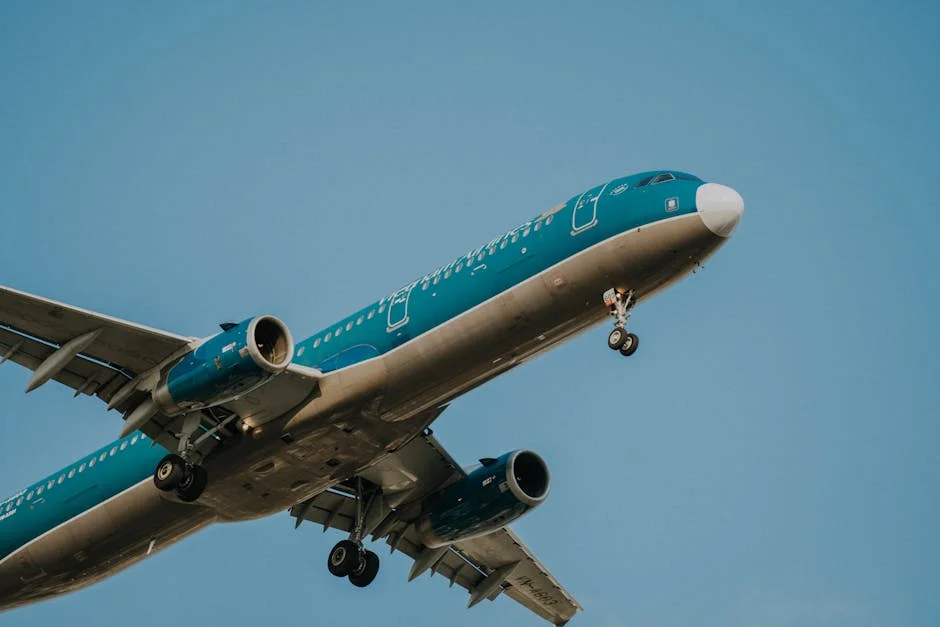
Alibaba is pushing its Qwen AI platform into new territory, signing a deal with China Eastern Airlines to position the technology as a solution for everything from customer service to flight operations. The partnership announced on Wednesday marks Alibaba's most ambitious move yet to turn Qwen into what industry watchers are calling China's version of a digital problem-solver. For businesses and investors tracking China's tech sector, the aviation tie-up signals that Alibaba is no longer content with Qwen being just another AI chatbot.
Aviation Sector Becomes Qwen's New Frontier
China Eastern Airlines will integrate Qwen into its operations, a move that could reshape how Chinese airlines handle everything from booking inquiries to maintenance scheduling. The partnership gives Alibaba a high-profile test case for its technology in a sector that processes millions of passengers annually. Aviation analysts say the deal could give China Eastern a competitive edge in customer service efficiency, though the full scope of implementation remains unclear from Wednesday's announcement.

The airline industry has long been a target for AI companies seeking to demonstrate practical applications beyond consumer gadgets. China Eastern joins a growing list of carriers experimenting with large language models to cut costs and improve passenger experience. The question for investors is whether this partnership can translate into measurable returns for Alibaba's cloud and AI divisions.
From Consumer Chat to Industrial Tool


Qwen started as Alibaba's answer to consumer AI chatbots but is now being positioned as infrastructure for Chinese businesses. The company has been quietly expanding Qwen's capabilities to handle industry-specific tasks, from retail logistics to financial analysis. Wednesday's announcement with China Eastern represents the most visible shift yet toward positioning Qwen as an enterprise solution rather than a consumer product.
This mirrors a broader trend among Chinese tech giants, who are racing to prove their AI can handle real business problems rather than just generating text. For investors, the shift matters because enterprise contracts typically carry higher margins and longer-term commitment than consumer subscriptions.
Why Singapore Businesses Should Take Note
Singapore companies operating in or with China will face a new landscape if Qwen becomes embedded in sectors like aviation. Supply chain managers, logistics firms, and travel agencies with connections to China Eastern could find their operations increasingly touched by Alibaba's AI systems. The ripple effects could reach businesses across Southeast Asia that rely on Chinese aviation infrastructure for cargo and passenger transport.
For Singapore's tech sector, the development raises questions about partnership opportunities and competition. Alibaba's push into enterprise AI could affect how Singapore-based companies position their own offerings in the region.
Market Implications and Investor Concerns
Alibaba's push into aviation AI comes at a time when investors are closely watching how Chinese tech firms translate AI investments into revenue. The company has faced pressure to demonstrate that its cloud and AI divisions can drive growth beyond the core e-commerce business. The China Eastern deal provides a concrete example of Qwen in action, though analysts caution that aviation deployments typically move slowly.
The deal also highlights how Alibaba is competing against both domestic rivals and international AI providers for enterprise contracts in China. Tencent and Baidu have their own AI platforms targeting similar sectors. Wednesday's announcement shows Alibaba is willing to move aggressively on partnerships to build a track record.
What Happens Next
Markets will be watching for details on how broadly China Eastern plans to deploy Qwen across its operations. The initial phase is expected to focus on customer-facing services before expanding to backend operations. Alibaba has not specified a timeline for full implementation.
Investors should monitor quarterly earnings calls for updates on how the aviation partnership contributes to Alibaba's cloud revenue. If the China Eastern deployment proves successful, it could open doors to other airlines and transportation companies across Asia. That would represent a significant expansion of Qwen's addressable market beyond consumer applications.
The broader question remains whether Alibaba can convince enough enterprise clients that Qwen offers genuine value over existing systems. The China Eastern deal is a start, but the real test will come when results start showing up in the company's financial statements.
See Also
- Venezuela’s Tech Push: New Trade Ties Reshape Market Access for Investors
- Pedro News Today Sparks Debate Over Santa Clara's Future
What is the latest news about alibaba turns qwen into chinas digital fixer aviation deal is first test?
Why does this matter for economy-business?
What are the key facts about alibaba turns qwen into chinas digital fixer aviation deal is first test?