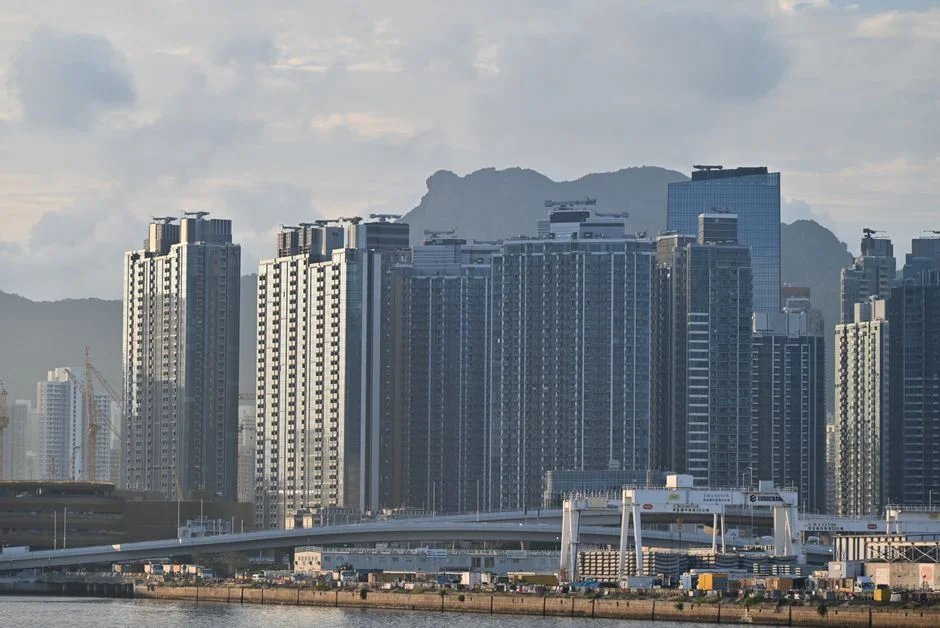
Emergency crews responded to downtown Beijing on Wednesday after a small aircraft struck the CITIC Tower, China's second-tallest building and the capital's dominant skyline feature. The pilot was killed in the impact. Within hours, streets around the incident had reopened and normal activity resumed with striking speed.
The Crash and Immediate Response
The single-engine aircraft struck the upper floors of the 528-metre tower, known locally as China's Zun, during the late afternoon rush. Rescue teams arrived within minutes. By evening, scaffolding had already appeared around the damaged section of the facade, and cleaners were pressure-washing the plaza below.

Authorities confirmed the pilot's death at the scene. No other casualties were reported. The Civil Aviation Administration of China opened an investigation into the cause of the crash, focusing initial inquiries on the pilot's flight history and any mechanical issues with the aircraft.
Market Reaction Was Muted

Trading on the Shanghai Composite Index showed negligible movement following the incident. Aviation stocks, typically sensitive to safety concerns, registered minor fluctuations but closed broadly flat. Hong Kong markets, which were still open when the crash occurred, also showed limited reaction.
Analysts pointed to several factors suppressing market volatility. The absence of casualties beyond the pilot removed immediate fears of a broader human tragedy. The swift official response and rapid cleanup suggested authorities were controlling the narrative rather than scrambling to contain an escalating situation.
Why Investors Kept Buying
Institutional investors based in Singapore and Hong Kong told reporters that the incident lacked the hallmarks of systemic risk. There was no suggestion of terrorism, no widespread disruption to Beijing's aviation network, and no visible panic among local populations. One fund manager described it as "an isolated event that tells us more about the pilot than about China."
The reaction contrasted sharply with markets in 2022, when a China Eastern Airlines crash prompted brief but notable swings in airline and insurance stocks. This time, no airline shares were involved, removing a direct channel for market contagion.
Business Operations Continued Without Disruption
Offices in the CITIC Tower and surrounding compounds reported normal operations resuming the following morning. Tenants received communications from building management confirming structural integrity and a swift repair timeline. Several multinational corporations maintain regional headquarters in the tower, a fact that initially raised concerns about supply chain or coordination disruptions.
Those concerns proved unfounded. The Beijing Municipal Commission of Housing and Urban-Rural Development issued a statement confirming the building's core structure remained sound. Businesses in the central business district carried on as usual, with no evacuation orders extended beyond the immediate crash zone.
Aviation Safety Questions Linger
The incident nonetheless revived questions about flight restrictions around Beijing's dense urban core. General aviation aircraft face strict operating rules in Chinese airspace, particularly near the capital. How the pilot accessed airspace close enough to strike a building will be a central question for investigators.
China's aviation authority maintains that general aviation traffic near major cities has declined significantly since 2019, following a series of airspace reforms. The crash has renewed calls from some aviation experts for even tighter controls, though no policy changes have been announced.
What Comes Next
Investigators are expected to release a preliminary report within 30 days. That timeline will test whether authorities can contain speculation while maintaining public confidence in urban aviation safety. For regional markets, the key variable remains whether the investigation reveals systemic vulnerabilities or confirms this as a tragic but contained incident.
Watch for any response from Beijing's tourism and hospitality sector. A city that promotes itself as a global business hub relies on perceptions of safety and stability. The swift recovery on the streets of Beijing was deliberate, but investors will be watching the next data points carefully before drawing long-term conclusions about what this crash means for business confidence in the capital.
See Also
- Gauteng Health Ministry Warns of Malaria Surge as Deaths Rise 40%
- China Executes French National in Drug Case — Tensions Rise With US
How the pilot accessed airspace close enough to strike a building will be a central question for investigators.China's aviation authority maintains that general aviation traffic near major cities has declined significantly since 2019, following a series of airspace reforms. For regional markets, the key variable remains whether the investigation reveals systemic vulnerabilities or confirms this as a tragic but contained incident.Watch for any response from Beijing's tourism and hospitality sector.