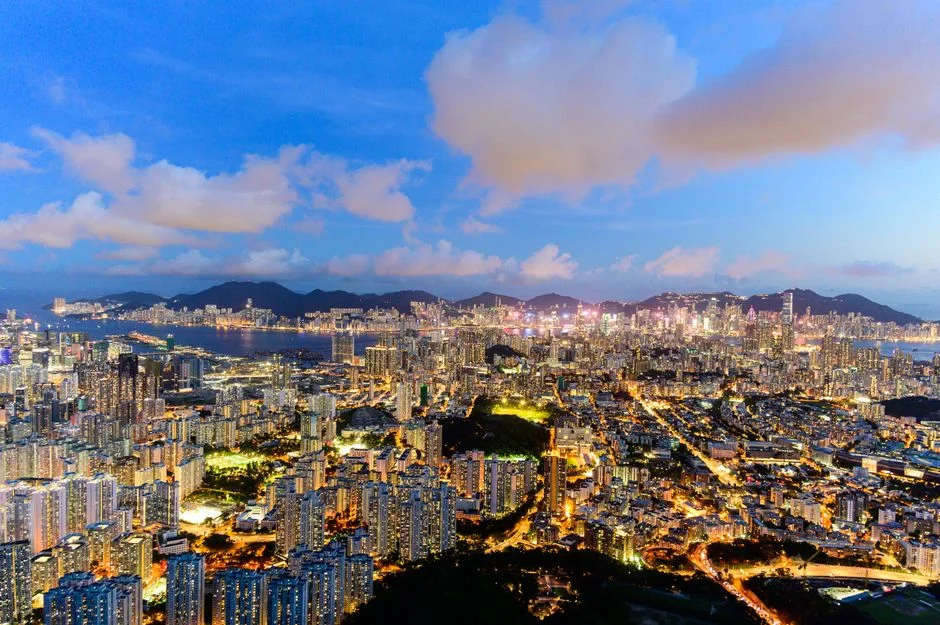
Hong Kong's reputation as a bastion of independent jurisprudence — the very foundation that attracted trillions of dollars in foreign investment — is eroding at a pace that has fund managers and corporate boards taking notice. A series of high-profile prosecutions under the National Security Law, combined with reforms that give Beijing tighter control over the judiciary, are reshaping how global capital weighs the risks of operating in the former British colony.
What the Numbers Reveal
Foreign direct investment into Hong Kong fell to $133 billion last year, marking the third consecutive annual decline, according to data from the Commerce and Economic Development Bureau. The city, once ranked as the world's third-largest financial centre, has slipped behind Singapore in global competitiveness surveys conducted by the International Institute for Management Development. Asset management firms controlling an estimated $3.1 trillion in assets have relocated regional headquarters or expanded operations elsewhere in Asia.
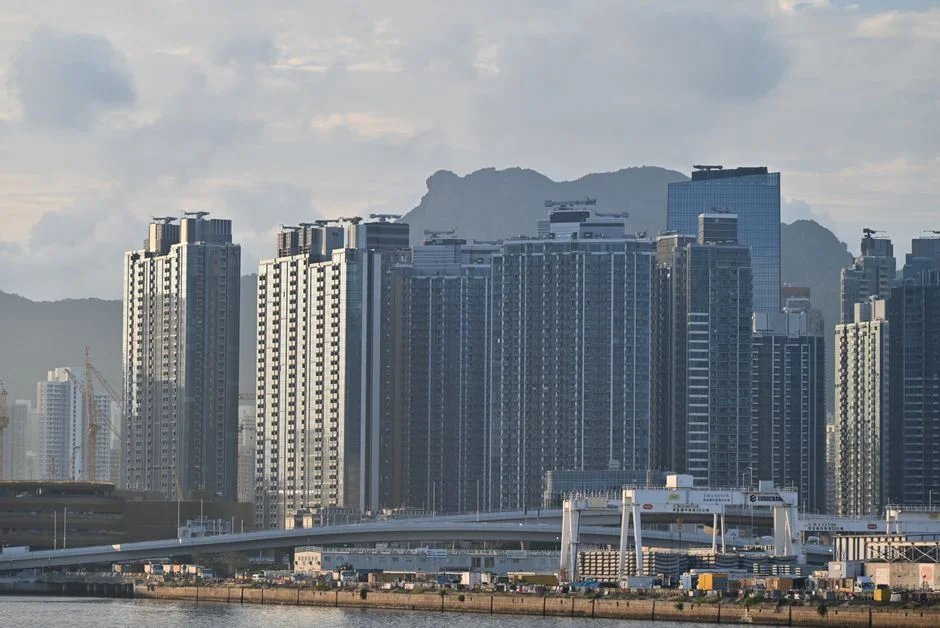
The figures contrast sharply with the peak years before 2020, when Hong Kong served as the primary gateway for foreign capital seeking exposure to mainland Chinese markets. Now, the calculus has shifted.
How Courts Are Changing

The judiciary, which historically operated with a degree of independence unseen elsewhere in China, has undergone a gradual transformation. Judges are now appointed by the Chief Executive on the recommendation of a central government committee. Legal observers point to several cases where defendants received lengthy prison terms for offences that would not constitute crimes in other common law jurisdictions.
The Hong Kong Bar Association, once a vocal defender of due process, has grown notably quieter in its public statements. Several senior barristers have left the territory entirely, citing concerns about their ability to practise without political interference.
Corporate Reactions Vary
Major Western banks have maintained their presence, unwilling to abandon a market that still offers access to Chinese consumers and capital. JPMorgan Chase, Goldman Sachs, and HSBC continue to operate large teams in Central, the financial district. However, internal risk assessments at several institutions have classified Hong Kong's legal environment as requiring heightened scrutiny, according to people familiar with the matter.
Some companies have taken concrete steps. A prominent American technology firm relocated its Asia-Pacific legal headquarters to Singapore in 2023. A European conglomerate quietly shifted its regional treasury functions to the city-state over concerns about potential asset freezes or regulatory actions.
Singapore's Strategic Gain
The Monetary Authority of Singapore reported assets under management reaching S$3.9 trillion ($2.9 trillion) in 2023, a 12 percent increase from the previous year. Industry executives say a meaningful share of that growth came at Hong Kong's expense. Singapore's courts operate in English under a common law system, offering familiarity that corporate counsel and investors recognise.
Economic Development Board officials have welcomed the shift, though they publicly avoid framing Singapore's gain as a direct consequence of Hong Kong's troubles. The city-state has approved dozens of family offices and hedge fund launches from managers previously based in Hong Kong.
Property and Talent Follow the Money
Residential property prices in Singapore's prime districts have climbed for eight consecutive quarters. Office vacancy rates in the Marina Bay financial district sit below 5 percent. Headhunters report salaries for senior finance professionals rising 15 to 20 percent as competition for talent intensifies. Singapore is absorbing talent that spent decades building Hong Kong's financial centre, and those people carry relationships, client books, and institutional knowledge that cannot easily be replaced.
What Foreign Businesses Are Telling Their Boards
Executives who once viewed Hong Kong as an indispensable node in Asia-Pacific operations describe a more complicated calculus. Access to mainland China remains a genuine advantage — Hong Kong sits adjacent to Shenzhen and offers preferential capital market links that Singapore cannot replicate. But that access must now be weighed against the possibility of running afoul of laws that apply extraterritorially.
American companies face particular exposure. The United States has maintained Hong Kong's separate customs designation, but legislation pending in Congress could revoke that status. A formal downgrade would trigger sanctions and potentially expose firms operating in Hong Kong to secondary penalties.
Looking Ahead
The trajectory will become clearer over the next six to twelve months. Courts are scheduled to hear several cases involving foreign nationals charged under security laws, which will test whether international standards of due process still apply. A decision by a major American or European firm to move its regional headquarters definitively — rather than quietly expand elsewhere — would signal a tipping point. The Hong Kong government has launched a charm offensive targeting Gulf state investors, hoping sovereign wealth funds might offset capital flight from Western institutions. Whether that strategy succeeds will say much about whether Hong Kong transforms into a primarily Chinese financial centre or retains its global character.
See Also
- Cape Town Unveils Africa's First Cannabis Museum — Economic Ripples Feared
- Norway Welcomes Sribharat — Boosting Trade Ties and Investment Opportunities
A decision by a major American or European firm to move its regional headquarters definitively — rather than quietly expand elsewhere — would signal a tipping point. Singapore's courts operate in English under a common law system, offering familiarity that corporate counsel and investors recognise.
What is the latest news about hong kongs rule of law crisis forces investors to reconsider 50 billion stakes?
Why does this matter for culture-arts?
What are the key facts about hong kongs rule of law crisis forces investors to reconsider 50 billion stakes?