Air India has abruptly cancelled a significant portion of its international flight schedule, sending shockwaves through the global aviation market and leaving thousands of passengers stranded. The carrier confirmed that many long-haul routes, including critical connections to North America and Europe, are facing indefinite delays or cancellations well into mid-2026. This sudden disruption has immediate financial and logistical consequences for businesses and investors in Singapore, a major hub for Indian expatriates and corporate travelers.
Scope of the Cancellation Crisis
The airline’s announcement was not a gradual reduction but a sharp contraction of capacity. Reports indicate that up to 40% of its international fleet is grounded or operating at reduced frequencies. This level of disruption is rare for a legacy carrier and suggests deeper operational or financial strains within the Tata Group-owned entity. Passengers booking tickets for the upcoming fiscal year are now facing uncertainty, with refund policies varying wildly depending on the fare class and booking date.
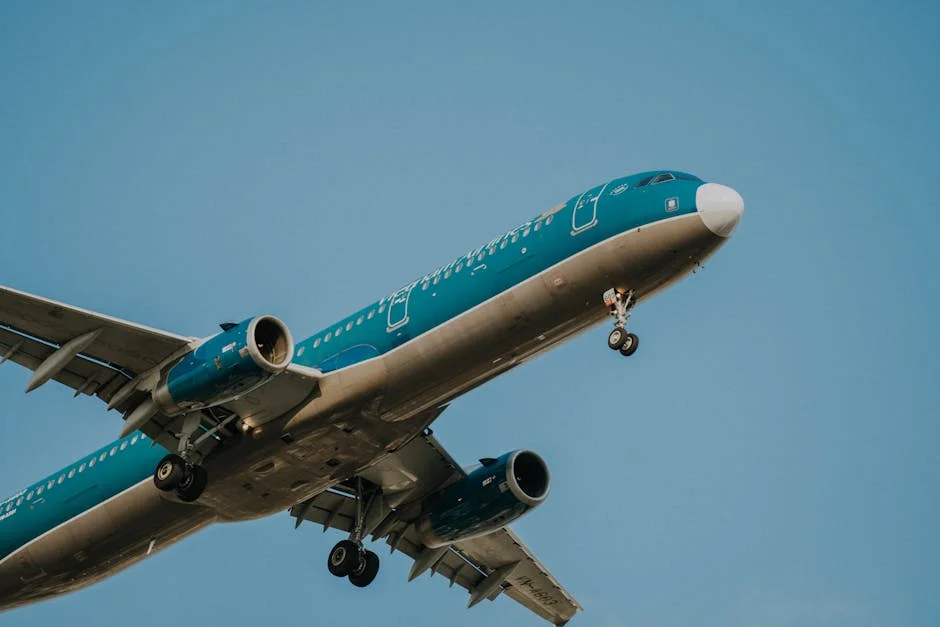
For the Singapore market, the impact is direct and tangible. Air India serves as a key connector between the Indian subcontinent and Southeast Asia. The cancellation of direct flights from Delhi and Mumbai to Singapore means travelers must now rely on competitors such as Singapore Airlines, Emirates, and Qatar Airways. This shift creates immediate supply-demand imbalances in the regional aviation sector.
Impact on Regional Connectivity
The loss of Air India’s capacity forces a redistribution of passenger traffic across competing carriers. Singapore Airlines, already operating near full capacity on its Indian routes, is likely to see a surge in demand. This could lead to higher ticket prices for business and economy class travelers alike. Companies relying on cost-effective air travel for their Indian-Singaporean operations may face increased overheads.
Small and medium enterprises in Singapore that depend on regular air freight or passenger travel to India are particularly vulnerable. Without the competitive pricing that Air India often provides, logistics costs may rise. This effect ripples through supply chains, potentially affecting retail prices for imported goods from India in the local market.
Financial Implications for Investors
The stock market reaction to Air India’s cancellations has been mixed but largely cautious. Investors are scrutinizing the airline’s balance sheet for signs of liquidity crunches. The cancellation of flights implies a fixed cost burden that continues even as revenue streams dry up. This is particularly concerning given the high fuel costs and crew salaries that define the aviation industry’s expense structure.
For Singapore-based investors with exposure to the Tata Group or the broader Indian aviation sector, this event serves as a warning signal. It highlights the operational risks associated with rapid expansion and integration. The market is now pricing in a higher risk premium for Air India, which could depress its valuation in the coming quarters. Analysts are watching closely to see if these cancellations are a temporary tactical move or a sign of a longer-term strategic retreat.
The broader Indian equity market may also feel the ripple effects. As a flagship company, Air India’s performance is often seen as a barometer for the Indian economy’s consumer confidence. A struggling airline can signal broader economic headwinds, potentially affecting foreign direct investment flows into India. Singapore, being a major source of foreign investment in India, has a vested interest in the stability of such key economic players.
Business Travel Disruptions in Singapore
Corporate travelers in Singapore are facing immediate logistical nightmares. Many multinational corporations in Singapore have established business relationships with Indian partners, relying on the predictability of air travel for negotiations, site visits, and project management. The sudden cancellation of flights disrupts these plans, leading to delayed contracts and potential revenue losses for businesses on both sides of the Bay of Bengal.
Businesses must now rethink their travel strategies. Some companies may opt to shift to virtual meetings for the short term, reducing the immediate need for air travel. However, for high-stakes negotiations, face-to-face interaction remains crucial. This forces companies to book last-minute flights on competing carriers, often at premium prices. The added cost and time consumption can erode profit margins for smaller firms.
Hotels and ground transportation services in Singapore that cater to Indian tourists and business travelers may also see a dip in occupancy rates. The tourism sector is highly sensitive to airline capacity. If Air India’s cancellations persist, the flow of Indian tourists to Singapore could slow down, affecting the local hospitality industry. This is a secondary economic impact that businesses in the service sector need to monitor closely.
Competitor Gains and Market Share Shifts
While Air India struggles, its competitors are poised to capitalize on the disruption. Singapore Airlines is the biggest beneficiary of this situation. With a strong brand reputation and extensive network, it can easily absorb the displaced passengers from Air India. This could lead to an increase in market share for Singapore Airlines on the India-Singapore route, strengthening its position as the dominant carrier in the region.
Other regional carriers like Malaysia Airlines and Thai Airways may also see a boost in passenger numbers. These airlines often offer competitive pricing and convenient layover options. Travelers who were loyal to Air India may switch to these alternatives, potentially changing their long-term brand preferences. This shift in consumer behavior can have lasting effects on the competitive landscape of the aviation industry.
The increased demand for competing carriers also allows them to exercise more pricing power. With more passengers vying for limited seats, airlines can raise fares without losing significant volume. This inflationary pressure on airfares can have a broader impact on the cost of living and doing business in Singapore. It is a classic example of how a disruption in one part of the market can create opportunities and challenges for others.
Regulatory Response and Consumer Rights
The Civil Aviation Authority of Singapore (CAAS) is likely to step in to ensure that consumer rights are protected. Passengers affected by the cancellations have specific entitlements, including refunds, rebooking options, and sometimes compensation. The CAAS may issue advisories to help travelers navigate the refund process and understand their rights under local and international aviation regulations.
For business travelers, the key issue is the speed and efficiency of the refund process. Delays in receiving refunds can impact corporate cash flows, especially for smaller companies. The CAAS may also monitor the situation to ensure that competing airlines do not engage in excessive price gouging. Regulatory oversight is crucial to maintaining market stability during periods of disruption.
Indian regulators, including the Union Ministry of Civil Aviation, are also under pressure to address the crisis. They may need to intervene to ensure that Air India meets its service level agreements and provides adequate communication to passengers. The government’s response will be watched closely by investors and consumers alike, as it will signal the level of support Air India can expect from the state.
Long-Term Strategic Outlook
The current cancellations may be a tactical move to consolidate resources and improve operational efficiency. Air India is in the midst of a major transformation under the Tata Group, aiming to modernize its fleet and improve service quality. However, the timing of these cancellations suggests that the transition is more painful than initially anticipated. The airline may need to streamline its network to focus on the most profitable routes.
For Singapore, this event underscores the importance of diversification in air connectivity. Over-reliance on a single carrier for a key route can create vulnerabilities. Businesses and travelers should consider alternative routes and carriers to mitigate future disruptions. This may involve exploring flights through other hubs such as Dubai, Doha, or even Bangkok.
The aviation industry is inherently cyclical, and disruptions are part of the landscape. However, the scale and duration of Air India’s cancellations are unusual. They highlight the need for robust contingency planning for businesses and travelers. As the situation evolves, stakeholders must remain agile and adaptable to navigate the changing dynamics of the market.
Watch for the next quarterly earnings report from Air India and the subsequent press releases from the Civil Aviation Authority of Singapore. These updates will provide clearer insights into the financial health of the airline and the regulatory measures being taken to protect consumers. The coming months will be critical in determining whether Air India can stabilize its operations or if further restructuring is required.
See Also
- Alice Springs Vigil Sparks Tourism Sector Jitters
- Laos Rescues First Trapped Man from Flooded Cave — Economic Concerns Rise
This is a secondary economic impact that businesses in the service sector need to monitor closely. With more passengers vying for limited seats, airlines can raise fares without losing significant volume.