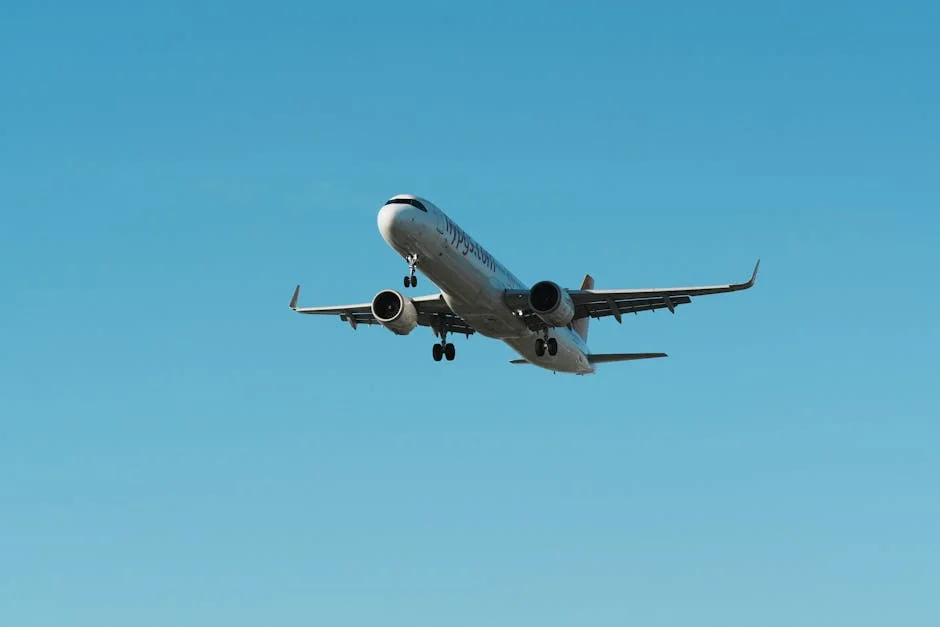
A Qantas passenger has been banned from the airline’s network after allegedly biting a flight attendant during a transpacific flight from Australia to the United States. The incident, which occurred on a service connecting Sydney to Dallas, highlights the rising operational risks associated with passenger behaviour. Airlines are increasingly facing financial and logistical challenges as disruptions become more frequent. This specific event underscores the broader economic pressures on carriers managing crew welfare and flight efficiency.
Incident Details And Immediate Response
The altercation took place on a Friday, involving a passenger who allegedly bit a crew member. Qantas confirmed the incident and announced an immediate ban for the offending traveler. The flight was en route from Sydney to Dallas, a key corridor for business and leisure travelers. Reports indicate that the bite caused enough concern to warrant an urgent medical assessment for the attendant. The airline’s swift action demonstrates a zero-tolerance policy aimed at maintaining order. Such incidents are not merely personal grievances; they represent direct operational interruptions.
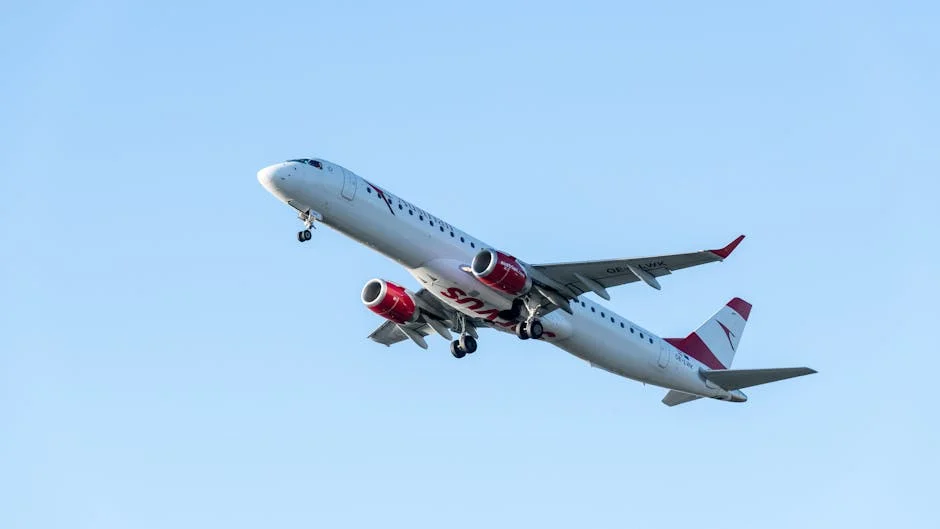
Operational Costs Of In-Flight Disruptions


Every minute a plane sits on the tarmac due to a passenger dispute costs the airline thousands of dollars. Fuel burn, airport slot fees, and crew overtime accumulate rapidly. Qantas, like its peers, faces tight margins in the post-pandemic recovery phase. A single disrupted flight can ripple through the schedule, affecting connecting passengers and cargo deliveries. The economic impact extends beyond the immediate flight. It affects the airline’s ability to optimize aircraft utilization. Investors watch these metrics closely as they signal operational efficiency. A bite incident may seem minor, but the financial trail is significant.
Financial Implications For Airline Margins
Airlines operate on thin profit margins, often hovering between 3% and 5% for full-service carriers. Any unplanned expense erodes these gains. The cost of a delayed flight can exceed $10,000 per hour for a wide-body aircraft like the Boeing 787. Crew rest periods may need extension, leading to higher labor costs. Insurance claims for injured staff also add to the bottom line. These costs are often passed on to consumers through higher fares or ancillary fees. The market reacts to such inefficiencies with scrutiny on management’s ability to control variables. Qantas must balance customer satisfaction with cost containment.
Impact On Crew Welfare And Retention
The aviation industry is currently battling a talent shortage. Flight attendants are a critical asset, and their morale directly affects service quality. Physical and mental strain from dealing with difficult passengers contributes to turnover. High turnover rates force airlines to invest heavily in recruitment and training. This creates a cyclical cost burden on the business. The recent incident in Papeete and other global hubs reflects a broader trend. Crew members are demanding better protection and compensation for their efforts. Businesses that fail to address this risk losing experienced staff to competitors or other industries.
Investor Perspective On Airline Stability
Investors in the aviation sector look for consistency and predictability. Unforeseen disruptions signal potential management weaknesses. Qantas shares are watched by global markets as a barometer for the Asian-Pacific aviation recovery. Any news that suggests operational instability can trigger minor sell-offs. The market values companies that can mitigate risks effectively. This incident adds a data point to the broader narrative of airline resilience. Analysts will assess whether this is an outlier or part of a growing pattern. The financial health of the airline depends on minimizing these variable costs.
Broader Economic Context For Travelers
The cost of air travel has risen sharply in recent years. Inflation has pushed up fuel prices, labor costs, and airport fees. Passengers are more price-sensitive than ever, yet behavior issues persist. This creates a tension between affordability and service quality. Airlines are forced to make tough choices to maintain profitability. Some may reduce service levels to cut costs, which can further irritate passengers. It is a delicate balancing act. The economic environment demands efficiency from all stakeholders. Travelers, in turn, must adapt to a more structured and sometimes stricter travel experience.
Regulatory And Legal Ramifications
Airline crew members have specific legal protections under international aviation laws. The Federal Aviation Administration in the US has recently strengthened penalties for unruly passengers. Fines and potential jail time serve as deterrents. Qantas is likely to leverage these legal tools to make an example of the offender. This sends a message to the broader passenger base. Legal costs can be high, but the precedent set can save money in the long run. It also reinforces the authority of the captain and crew. This is crucial for maintaining order in the confined space of an aircraft cabin.
Future Outlook And Market Watch
The aviation industry will continue to monitor passenger behavior trends. Airlines may introduce more technology, such as seat sensors and improved communication systems, to manage disruptions. Investors should watch for quarterly reports that detail operational efficiency metrics. These reports will reveal how well carriers are managing these human factors. The next few months will be critical for Qantas as it navigates the busy summer travel season. Any spike in disruptions could impact the airline’s annual earnings. Stakeholders must remain vigilant for signs of operational strain. The market will reward those who can maintain order and efficiency.
See Also
- EU Defies US-China Binary With New Trade Strategy
- Beijing Condemns US After Chinese Researcher's Death
The recent incident in Papeete and other global hubs reflects a broader trend. Any news that suggests operational instability can trigger minor sell-offs.