The European Commission has formally unveiled a new strategic autonomy framework, signaling a decisive break from the traditional binary choice between aligning with Washington or Beijing. This policy shift aims to secure critical supply chains and protect European industries from the spillover effects of intensifying transatlantic and Indo-Pacific tensions.
Brussels argues that passive alignment no longer serves European economic interests. The new roadmap introduces targeted tariffs, streamlined investment screenings, and a revised subsidy regime designed to keep the single market competitive without fully committing to either American or Chinese economic blocs.
Strategic Autonomy Defined
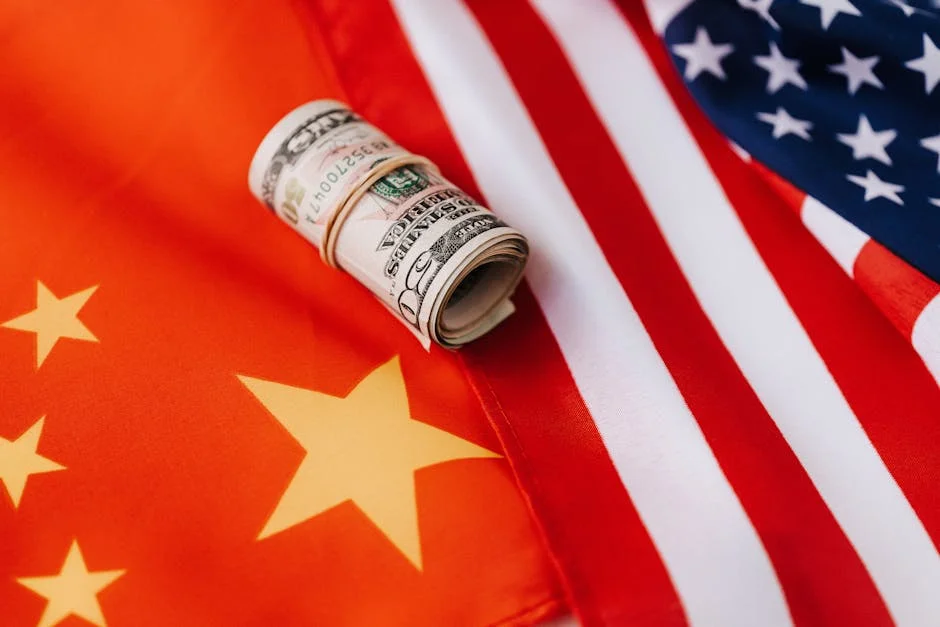
The European Union’s approach is rooted in the concept of "strategic autonomy," a term that has evolved from diplomatic rhetoric to concrete legislative action. This strategy seeks to reduce the bloc’s dependence on external powers for energy, technology, and raw materials. The Commission emphasizes that Europe must act as a third pole of global economic influence.
This move comes after years of hesitation, where European leaders often deferred to American foreign policy decisions. The new framework explicitly states that the EU will leverage its market size of 450 million consumers to dictate terms to global giants. It is a bid to transform the single market into a powerful geopolitical tool.
Critics argue that the EU lacks the military and monetary cohesion of its rivals. However, proponents believe that economic statecraft offers a viable path to influence. The strategy relies on the belief that no single power can afford to alienate the European market entirely.
Impact on Global Supply Chains


The new policy directly targets critical raw materials, particularly lithium, cobalt, and rare earth elements essential for the green transition. Currently, China controls approximately 60% of global lithium processing and up to 80% of rare earth refining. The EU aims to secure diversified sources to mitigate this concentration risk.
European manufacturers, especially in the automotive and electronics sectors, face immediate pressure to adapt. Companies must now navigate a more complex web of trade agreements and investment screening mechanisms. This could increase compliance costs but may also offer long-term stability.
Investors are closely watching how this policy affects cross-border mergers and acquisitions. The revised Foreign Direct Investment (FDI) screening mechanism will likely scrutinize Chinese investments in European tech firms more rigorously. This could slow down consolidation in the European digital economy.
Automotive Sector Vulnerabilities
The automotive industry is perhaps the most exposed to these shifts. German carmakers, in particular, have deepened ties with Chinese joint ventures to access the world’s largest car market. The new EU framework may introduce stricter data localization rules and reciprocal market access requirements.
These measures could force automakers to choose between optimizing for the Chinese market or the European one. This bifurcation may lead to higher production costs and reduced economies of scale. Shareholders in Volkswagen, BMW, and Mercedes-Benz will need to reassess their long-term revenue projections.
Technology and Digital Sovereignty
In the technology sector, the EU is pushing for greater digital sovereignty through the Digital Markets Act (DMA) and the Digital Services Act (DSA). These regulations aim to reduce the dominance of American tech giants like Google, Apple, and Amazon, while also managing the rise of Chinese firms such as Huawei and Tencent.
The Commission is also investing heavily in semiconductor manufacturing through the European Chips Act. The goal is to increase the EU’s share of global chip production from 7% to 20% by 2030. This initiative requires significant public and private capital injection to compete with the US CHIPS Act and China’s industrial policies.
Market Reactions and Investor Sentiment
Financial markets have reacted with cautious optimism to the EU’s new strategy. The Euro initially strengthened against the Dollar and the Yuan, reflecting confidence in the bloc’s economic independence. However, volatility is expected to persist as details of the implementation emerge.
Equity analysts note that European export-oriented companies may face headwinds from potential retaliatory tariffs. Sectors such as luxury goods, machinery, and pharmaceuticals could see margin pressures. Investors are advised to monitor trade balance data and currency fluctuations closely.
Bond markets have shown relative stability, with the yield spread between German Bunds and French Oaters narrowing slightly. This suggests that markets perceive the new strategy as a stabilizing force for the European political economy. However, long-term yields may rise if inflationary pressures from supply chain diversification intensify.
Business Implications for Multinationals
For multinational corporations operating in Europe, the new framework introduces a new layer of regulatory complexity. Businesses must now consider "friend-shoring" and "near-shoring" strategies to align with EU preferences. This may involve relocating production facilities or adjusting supplier bases.
Companies that fail to adapt risk facing non-tariff barriers, such as carbon border adjustments and digital service taxes. The EU’s Carbon Border Adjustment Mechanism (CBAM) will impose costs on imports with high carbon footprints, affecting industries like steel and aluminum.
Smaller and medium-sized enterprises (SMEs) may struggle with the increased compliance burden. The Commission has promised support through grants and streamlined procedures, but the transition will not be painless. SMEs will need to invest in digital tools and sustainable practices to remain competitive.
Geopolitical Ramifications
The EU’s third-way strategy has significant geopolitical implications. It signals to Washington that Europe will no longer blindly follow US trade policies, particularly regarding China. This could lead to friction in transatlantic relations, especially on issues like digital taxation and industrial subsidies.
For Beijing, the new framework represents a challenge to its economic influence in Europe. China may respond with targeted measures against European firms, such as antitrust investigations or market access restrictions. The EU must balance its desire for diversification with the need to maintain open markets.
Other global powers, such as Japan and South Korea, are watching the EU’s move closely. They may seek to emulate or adapt the European model to enhance their own strategic autonomy. This could lead to a more multipolar global economic order, with regional blocs playing a larger role.
Economic Data and Future Outlook
Economic data will be crucial in assessing the success of the EU’s new strategy. Key indicators include trade balance figures, foreign direct investment flows, and productivity growth rates. The Commission has set a target of increasing R&D spending to 3% of GDP by 2030.
Inflation remains a key concern, as supply chain diversification could initially drive up prices. The European Central Bank will need to balance price stability with economic growth. Interest rate decisions in the coming quarters will reflect these competing pressures.
Job creation in strategic sectors, such as green technology and semiconductors, will also be a barometer of success. The EU aims to create millions of new jobs through its Green Deal and digital transition initiatives. These jobs will need to be of high quality to sustain consumer demand.
What to Watch Next
Investors and businesses should monitor the upcoming European Parliament elections, which will shape the legislative agenda for the next five years. The composition of the European Commission and the Council of Ministers will determine the speed and direction of implementation.
Key legislative proposals, such as the revised State Aid framework and the Global Gateway investment plan, will be debated in the coming months. These initiatives will define the scope of EU economic statecraft and its impact on global markets.
Finally, the EU’s negotiations with key partners, including the US, China, and emerging markets, will provide insights into the practical application of the new strategy. Trade deals and investment pacts signed in the next 12 months will signal the EU’s true level of strategic autonomy. Stakeholders should prepare for a period of adjustment as the European model takes shape.
See Also
- Malaysia's Immigration System Crash Delays 30,000 at Borders — Trade Risks Mount
- African Music Industry Fears AI Will Erode Authentic Value
Key indicators include trade balance figures, foreign direct investment flows, and productivity growth rates. Inflation remains a key concern, as supply chain diversification could initially drive up prices.
What is the latest news about eu defies uschina binary with new trade strategy?
Why does this matter for technology-innovation?
What are the key facts about eu defies uschina binary with new trade strategy?