FIFA has triggered a wave of uncertainty for broadcasters in China and India, two of the most lucrative advertising markets for global sporting events. The International Federation of Associations Football’s latest decisions regarding streaming rights and traditional television deals have left major media houses scrambling to secure content. This instability directly impacts the billions of dollars in advertising revenue that flows through these regions during the tournament.
Advertising Revenue Under Pressure
The World Cup is not merely a sporting event; it is a massive economic engine for media conglomerates. In China alone, advertising spend during the tournament typically exceeds $500 million across digital and linear platforms. Brands rely on the predictable viewership numbers to justify their marketing budgets. When broadcast rights are unclear, advertisers hesitate to commit capital, leading to a ripple effect across the media supply chain.
Indian markets face similar pressures, though the currency dynamics differ. The Indian Rupee’s fluctuation against the US Dollar affects the cost of buying rights from FIFA. Broadcasters like Star Sports and Disney+ Hotstar have historically spent billions to secure exclusive access. Any delay in finalizing these deals increases the risk premium that investors must account for. This uncertainty can depress stock prices for media companies that are heavily leveraged on sports content.
Impact on Digital Streaming Platforms
Digital streaming services are now the primary battleground for World Cup rights. In China, platforms like Tencent Video and iQiyi compete fiercely for the younger demographic that consumes content on mobile devices. The shift from traditional TV to streaming changes the advertising model significantly. Digital ads allow for more precise targeting but often come at a lower price per impression compared to prime-time television spots. This transition forces media companies to restructure their revenue models rapidly.
Investors are watching these shifts closely. The valuation of streaming platforms is tied to user engagement metrics. A fragmented broadcast landscape could lead to viewer fatigue, where fans have to subscribe to multiple services to follow their teams. This fragmentation risks diluting the overall audience size, which is the key metric that advertisers use to determine the value of the World Cup. If viewership drops, the return on investment for broadcasters decreases, potentially leading to write-downs in asset value.
China’s Media Landscape Shifts


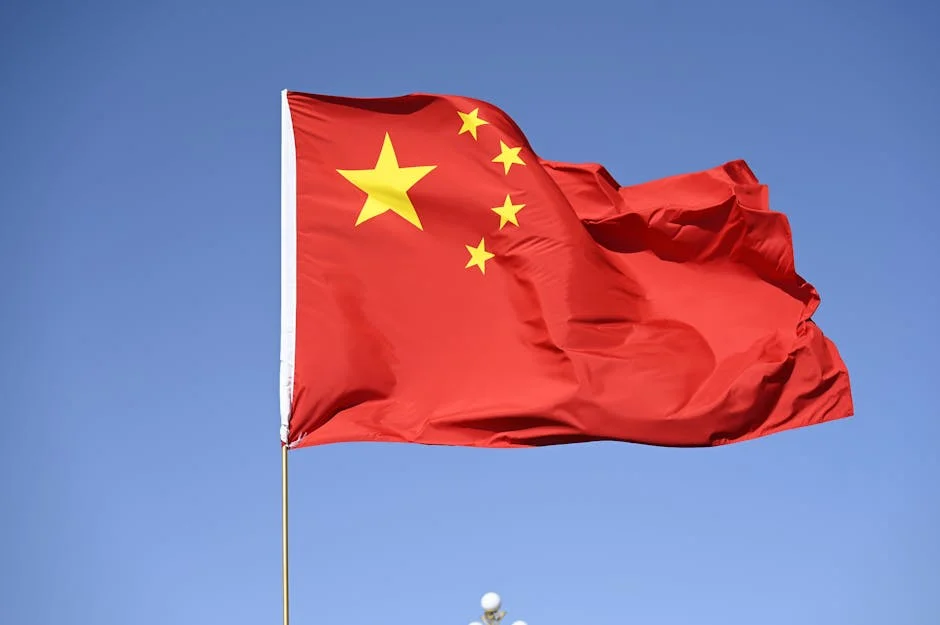
China’s media market is undergoing a structural transformation that intersects with the World Cup broadcast issues. The state-owned media giants, such as CCTV, have traditionally dominated football coverage. However, the rise of private tech giants has introduced a competitive dynamic that affects pricing and content quality. This competition is beneficial for consumers but creates volatility for advertisers who must navigate a complex media mix.
The economic implications for Chinese businesses are significant. Local brands, including automotive and beverage companies, use the World Cup to enhance brand equity. If the broadcast is disrupted, these brands may need to reallocate their marketing budgets to other channels, such as social media influencers or e-commerce live streams. This reallocation can lead to inefficiencies and higher customer acquisition costs. The broader Chinese economy benefits from the consumption boost that major sporting events generate, making broadcast stability a macroeconomic concern.
Furthermore, the digital infrastructure in China plays a crucial role in delivering the World Cup experience. High-speed internet penetration and the dominance of mobile payment systems like Alipay and WeChat Pay facilitate seamless viewer engagement. Any technical glitches or rights disputes that affect the streaming quality can impact consumer confidence in digital platforms. This confidence is essential for the continued growth of China’s digital economy, which is a key driver of national GDP growth.
Indian Market Dynamics and Currency Risks
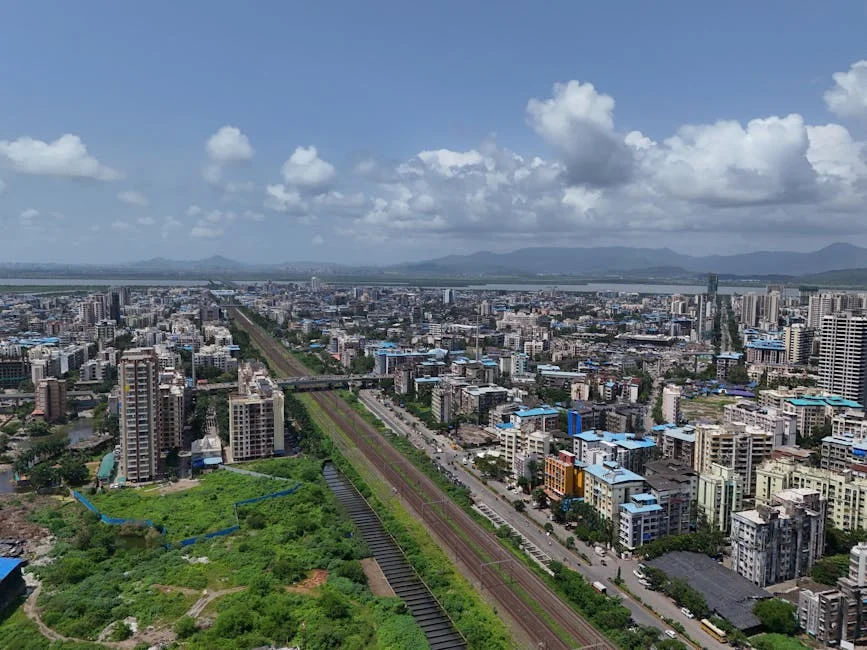
India presents a unique case study in global sports broadcasting. The country has a massive population but a relatively low per-capita advertising spend. This means that volume is key to profitability. Broadcasters must secure millions of viewers to make the rights fees worthwhile. The uncertainty surrounding FIFA’s broadcast deals in India threatens this volume-based model. If fans cannot easily access the matches, the advertising inventory may go unsold, leading to revenue shortfalls.
Currency risk is another critical factor for Indian broadcasters. The rights fees are often denominated in US Dollars, while the advertising revenue is collected in Indian Rupees. A weakening Rupee increases the effective cost of the rights, squeezing profit margins. Investors in Indian media companies must hedge against this currency risk, which adds complexity to their financial planning. The Reserve Bank of India’s monetary policy decisions can also influence the cost of capital for these media firms, affecting their ability to invest in content acquisition.
The competitive landscape in India is also intense. Multiple players, including traditional TV networks and emerging OTT platforms, are vying for the audience. This competition drives up the price of rights but also innovates the viewing experience. However, if the rights are split among too many platforms, the audience may become fragmented, reducing the appeal for mass-market advertisers. This dynamic requires careful strategic planning by media executives to balance exclusivity with accessibility.
Investor Sentiment and Market Reaction
Financial markets react swiftly to uncertainty in the media sector. Stock prices of major broadcasters in China and India have shown volatility in anticipation of the World Cup rights announcements. Investors are looking for clarity on the long-term value of these rights. A clear and stable deal structure boosts investor confidence, leading to capital inflows into the media sector. Conversely, prolonged uncertainty can lead to capital flight, as investors seek safer havens for their funds.
The broader economic context also influences investor sentiment. In China, the post-pandemic economic recovery has been uneven, affecting consumer spending power. Advertisers are more cautious with their budgets, requiring stronger guarantees of viewership from broadcasters. In India, the economic growth story is robust, but inflationary pressures are affecting consumer behavior. These macroeconomic factors compound the risks associated with World Cup broadcasting, making it a complex investment proposition.
Analysts emphasize the importance of digital innovation in mitigating these risks. Broadcasters that leverage data analytics and personalized content can command higher advertising rates. This technological edge can offset some of the financial risks associated with rights acquisition. Investors are increasingly favoring media companies with strong digital platforms and diversified revenue streams. This trend is reshaping the valuation metrics for media stocks in both China and India.
Strategic Implications for Global Brands
Global brands with significant exposure to China and India must adapt their marketing strategies to the broadcast uncertainty. Companies like Nike, Adidas, and Coca-Cola rely on the World Cup for global brand building. If the broadcast is fragmented or unclear, these brands may need to invest more in localized marketing campaigns. This increases the complexity and cost of their global marketing efforts. The need for agility in marketing execution is higher than ever.
Local brands in China and India also face strategic challenges. They must decide whether to commit to the World Cup amidst the uncertainty or to hold off and invest in other sporting events. This decision-making process is influenced by the expected return on investment and the competitive landscape. A misstep in marketing allocation can have long-term effects on brand positioning and market share. Therefore, the broadcast uncertainty is not just a media issue but a strategic business challenge for advertisers.
Future Outlook and Regulatory Watch
The resolution of the broadcast uncertainty will depend on negotiations between FIFA and the major media players in China and India. These negotiations are likely to continue until the last moment, keeping markets on edge. Investors and businesses should monitor the announcements from FIFA and the key broadcasters for any signs of a deal. The timing of these announcements will be crucial for planning purposes.
Regulatory bodies in both countries may also play a role in shaping the broadcast landscape. In China, the State Administration of Radio and Television has significant influence over content distribution. In India, the Ministry of Information and Broadcasting oversees the media sector. Any regulatory changes or interventions could impact the final deal structures. Stakeholders should watch for any policy updates that could affect the competitive dynamics of the market.
As the World Cup approaches, the focus will shift to the execution of the broadcast plans. The quality of the viewing experience will be tested by the technological infrastructure and the rights management strategies. Businesses and investors should prepare for potential fluctuations in advertising spend and viewership metrics. The next few months will be critical in determining the economic success of the World Cup in these two key markets.
See Also
- Gucci Mane Kidnapped in Atlanta — Legal Fallout Looms
- India Commits More Troops to UN Peacekeeping — What This Means for Markets
What is the latest news about fifa broadcast chaos hits china and india markets?
Why does this matter for culture-arts?
What are the key facts about fifa broadcast chaos hits china and india markets?