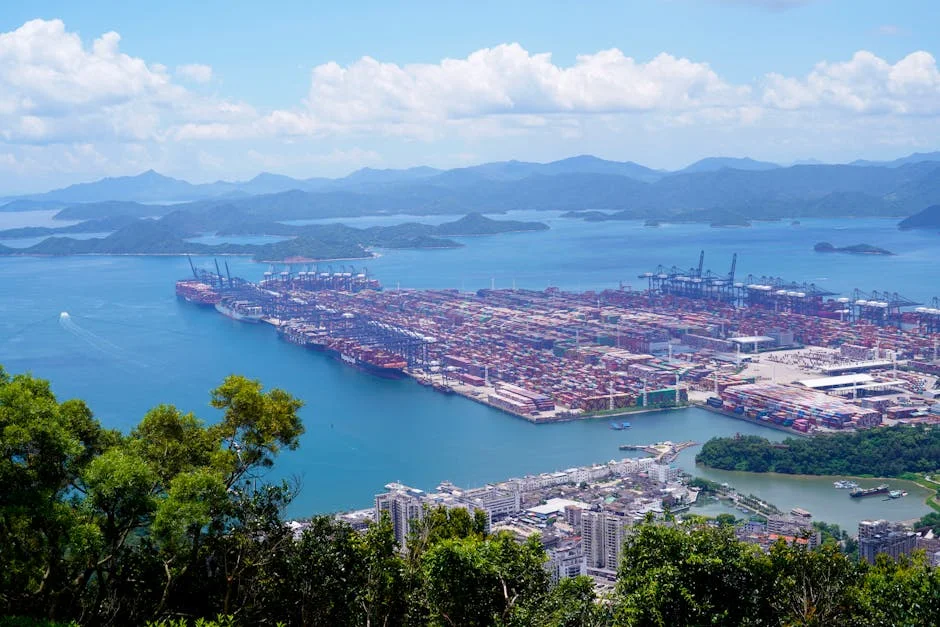
Global markets are reacting sharply to a new wave of geopolitical instability that is threatening to disrupt established trade routes and inflate costs for businesses worldwide. The phrase "nobody asked us to exist, but they ask us to resist" has become a metaphor for the fragility of the global supply chain, which finds itself under immense pressure from conflicts in Eastern Europe and the Middle East. Investors are now scrambling to reassess their portfolios as the cost of resilience becomes a primary driver of corporate earnings and inflation.
The Economics of Resistance in Global Trade
The current economic landscape is defined by an unexpected resilience in consumer demand despite rising costs. However, this resilience is being tested by the sheer volume of external shocks hitting the global economy. Companies are no longer just competing on price and quality; they are competing on their ability to absorb logistical disruptions without passing every cent onto the consumer. This shift has fundamentally altered the profit margins for multinational corporations.
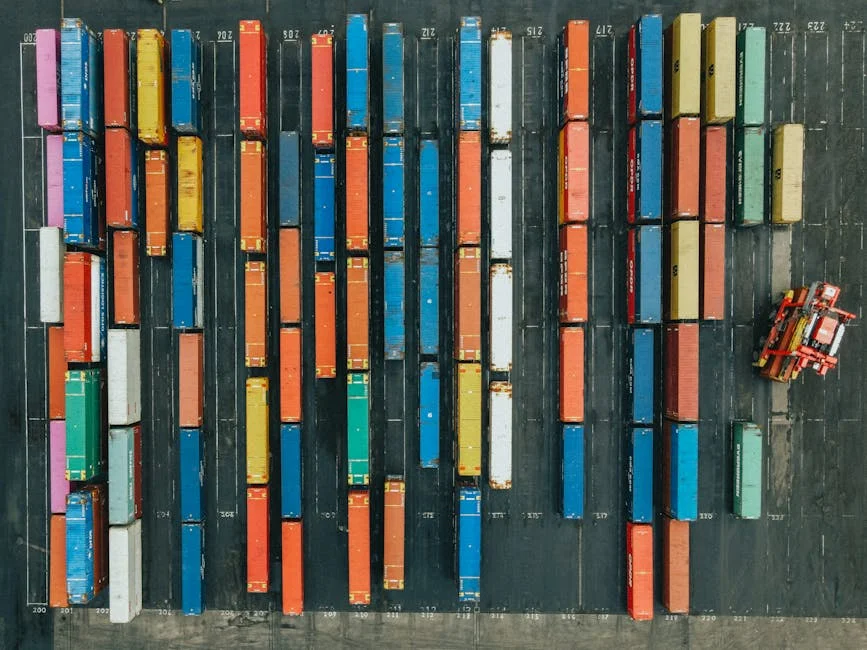
In Singapore, a major hub for global trade, the impact is visible in the port operations and logistics sectors. The Port of Singapore handled over 45 million twenty-foot equivalent units last year, a record high that underscores its critical role in the global flow of goods. Any disruption to these flows has immediate repercussions for local businesses and the broader Asian economy. The city-state's economy is deeply intertwined with global trade, making it particularly vulnerable to external shocks.
Market Volatility and Investor Sentiment


Financial markets are increasingly pricing in the risk of prolonged geopolitical tension. The volatility index, often referred to as the market's fear gauge, has seen spikes corresponding with announcements from key global powers. Investors are moving capital into safe-haven assets such as gold and government bonds, while pulling back from equities in sectors heavily dependent on global supply chains. This flight to quality is reshaping investment strategies for both institutional and retail investors.
The technology sector, in particular, is facing headwinds due to the concentration of semiconductor manufacturing in specific regions. A disruption in Taiwan or South Korea could have cascading effects on everything from smartphones to electric vehicles. Investors are closely monitoring the inventory levels of key tech giants to gauge the depth of the disruption. This sectoral focus highlights the need for diversification in investment portfolios to mitigate risk.
Impact on Emerging Markets
Emerging markets are experiencing a dual pressure from rising interest rates and slowing global growth. Countries that were once seen as growth engines are now grappling with capital outflows and currency depreciation. The Indian Rupee and the Brazilian Real have both faced significant pressure in recent months, reflecting the broader trend of capital returning to developed markets. This shift has implications for foreign direct investment and economic growth in these regions.
Businesses in emerging markets are adapting by focusing on domestic consumption and regional trade agreements. This strategy helps to reduce dependence on volatile global markets and provides a buffer against external shocks. However, the success of this approach depends on the strength of local economies and the stability of regional political landscapes. Investors need to carefully evaluate the specific risks and opportunities in each emerging market.
Supply Chain Reconfiguration Strategies
Companies are actively reconfiguring their supply chains to reduce vulnerability to geopolitical shocks. This involves a shift from a just-in-time model to a just-in-case model, which prioritizes resilience over efficiency. Businesses are investing in near-shoring and friend-shoring strategies, moving production closer to home or to politically aligned countries. This trend is driving investment in manufacturing facilities in Mexico, Eastern Europe, and Southeast Asia.
The reconfiguration of supply chains is not without its costs. Companies are facing higher labor costs, increased transportation expenses, and the need for significant capital expenditure. However, the long-term benefits of a more resilient supply chain may outweigh these initial investments. Businesses that fail to adapt risk being left behind in an increasingly competitive global market. This strategic shift is a key development for investors to monitor.
Inflationary Pressures and Central Bank Responses
The disruption to global trade is contributing to persistent inflationary pressures. Central banks around the world are struggling to balance the need to control inflation with the desire to stimulate economic growth. The Federal Reserve, the European Central Bank, and the Bank of England have all raised interest rates to combat inflation, but the effectiveness of these measures is being tested by the ongoing geopolitical tensions. Higher interest rates are increasing the cost of borrowing for businesses and consumers.
In Singapore, the Monetary Authority has been adjusting the US Dollar-Singapore Dollar exchange rate policy to manage inflation. This approach aims to control the cost of imports while supporting economic growth. The effectiveness of this policy will depend on the evolution of global trade patterns and the strength of the Singapore Dollar. Investors should watch for further adjustments to the exchange rate policy as new data emerges.
The Role of Digital Transformation
Digital transformation is playing a crucial role in enhancing supply chain resilience. Companies are leveraging data analytics, artificial intelligence, and blockchain technology to gain better visibility into their supply chains. These technologies enable businesses to predict disruptions, optimize inventory levels, and improve collaboration with suppliers. The adoption of digital tools is accelerating as companies seek to gain a competitive edge in an uncertain environment.
The investment in digital infrastructure is significant, but the return on investment can be substantial. Companies that successfully integrate digital technologies into their supply chains are able to respond more quickly to changes in demand and supply. This agility is becoming a key differentiator in the global market. Investors should look for companies with strong digital transformation strategies as a sign of future resilience.
Looking Ahead: Key Indicators to Watch
As the global economy navigates this period of uncertainty, investors and businesses must remain vigilant. Key indicators to watch include the volatility of commodity prices, the strength of consumer spending, and the evolution of central bank policies. The next quarter will be critical in determining whether the current trends of resilience and adaptation will continue or if new shocks will emerge. Monitoring these indicators will provide valuable insights into the direction of the global economy.
The geopolitical landscape is likely to remain complex, with new developments potentially arising from elections, trade agreements, and regional conflicts. Businesses and investors need to be prepared for a range of scenarios and have contingency plans in place. The ability to adapt to change will be the defining characteristic of successful companies and investments in the coming years. Stay informed and stay agile.
See Also
- Miami Grand Prix Surges in Value — Why This Race Is A Goldmine
- Morocco Names New Coach As Regragui Steps Down Post-World Cup