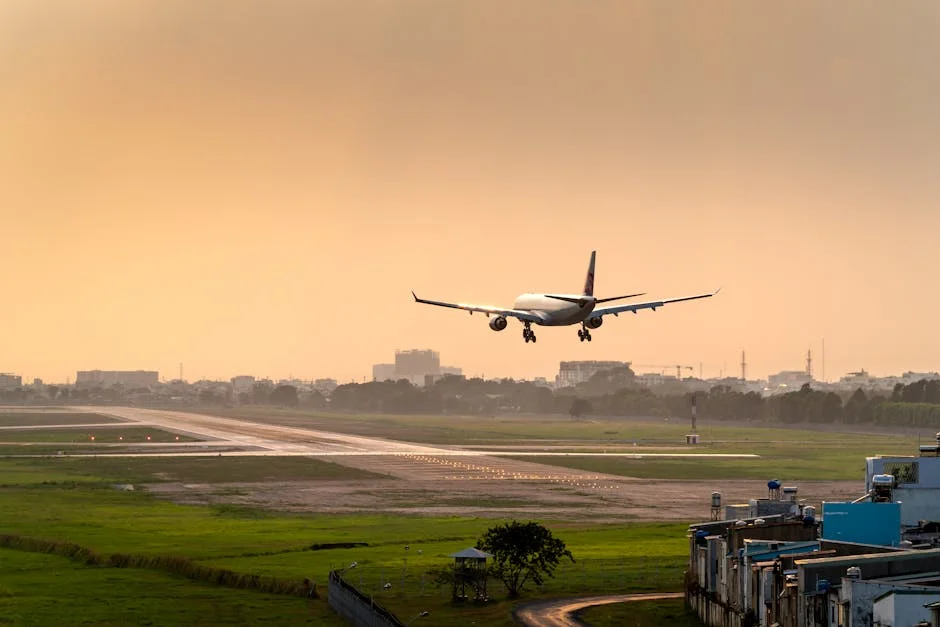
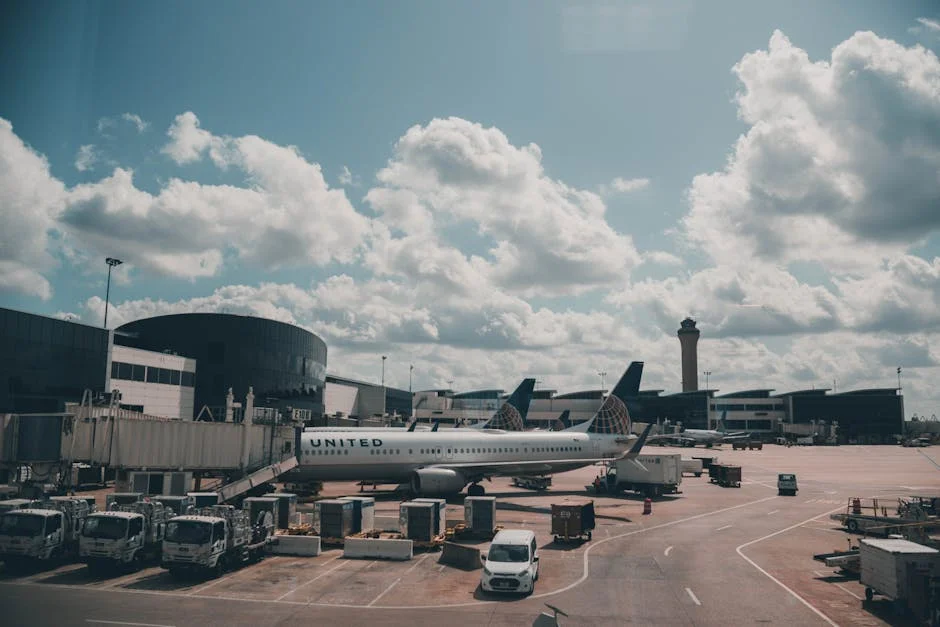
Three Air India aircraft sustained damage when ground equipment failed during a storm at Indira Gandhi International Airport in New Delhi. The incident, which occurred during a period of severe weather, has raised questions about maintenance protocols and the operational resilience of India's flagship carrier. Authorities confirmed the aircraft were stationary on the tarmac when the equipment malfunction occurred.
The Incident at Indira Gandhi International
According to reports from the airport, the storm struck during the late afternoon hours, bringing strong winds and heavy rain to the Delhi area. Ground handling equipment, including pushback tractors and baggage loaders, appears to have been blown into the stationary aircraft. The three affected planes sustained varying degrees of damage to their fuselages and wings. No injuries to crew or passengers were reported, as the aircraft were unoccupied at the time.

Air India immediately grounded the three aircraft for inspection and repair assessments. The airline's engineering teams were deployed to the scene alongside officials from the Directorate General of Civil Aviation, India's civil aviation regulator. Passengers scheduled on affected flights were rebooked onto alternative aircraft or other carriers operating from the airport.
Financial Exposure for Air India


The damage comes at a sensitive time for Air India, which has been undergoing a complex turnaround under private ownership following its 2022 divestment from the Indian government. The airline has invested heavily in fleet modernisation, with each aircraft representing a significant capital asset worth tens of millions of dollars. Repair costs for fuselage damage can range from hundreds of thousands to several million dollars per aircraft, depending on severity.
Industry analysts noted that ground equipment damage incidents, while not uncommon, carry particular weight for airlines operating narrow margins. Air India reported a net loss in its most recent fiscal year, and the carrier has been working to restore profitability on key domestic and international routes. The incident adds unexpected pressure to maintenance budgets already allocated for the year.
Insurance and Liability Questions
Aviation insurance policies typically cover such incidents, but claims processes can be lengthy and may trigger increased premiums at renewal. The specific cause of the equipment failure remains under investigation. If the ground handling was contracted to a third-party provider, liability questions could extend beyond Air India's direct exposure. Insurance industry sources indicated that claims from such incidents often involve complex negotiations between multiple parties.
Delhi Airport's Strategic Importance
Indira Gandhi International Airport handles more than 1,500 flight movements daily, making it India's busiest aviation hub. The airport serves as the primary gateway for international connections to Southeast Asia, including direct routes to Singapore. Any disruption to operations at Delhi ripples through the broader network of airlines operating there, including Air India, IndiGo, Vistara, and various foreign carriers.
The storm that caused the damage was part of a weather system that also affected operations at other facilities in the National Capital Region. Airport authorities activated contingency protocols, temporarily suspending certain runway operations during the most intense period of the storm. Normal operations resumed within hours, though the three damaged Air India aircraft remained out of service.
Implications for Investors and the Aviation Sector
For investors tracking India's aviation sector, the incident highlights operational risks inherent in rapidly expanding networks. Air India has been adding new routes and frequencies as part of its competitive strategy against budget carriers. Aircraft availability directly impacts revenue-generating capacity. Each day an aircraft remains grounded represents lost revenue and potential passenger dissatisfaction costs.
The broader aviation sector in India has been reporting strong growth in passenger volumes, with domestic traffic exceeding pre-pandemic levels. However, airlines face persistent pressures from fuel costs, airport charges, and competitive pricing. Unexpected maintenance events can compress already thin margins and affect shareholder returns. Air India's parent company, Tata Group, has signalled commitment to the airline's revival, but investors will watch whether operational disruptions affect that timeline.
What Happens Next
The Directorate General of Civil Aviation has opened an investigation into the incident. Ground handling procedures at Indira Gandhi International will face scrutiny, with regulators expected to issue recommendations or directives based on findings. Air India must complete repairs and obtain airworthiness clearances before the three aircraft can return to service.
Aviation industry observers will be watching for any impact on Air India's near-term schedule reliability metrics, which feed into industry tracking reports. The airline has been working to improve its on-time performance record, a key competitive factor in the Indian market. Any measurable decline in performance indicators could affect consumer perception and booking patterns in the weeks ahead.
See Also
- India and Japan Forge Trade Pact Amid US Tariff Shock
- Singapore Open Yields Historic Win — Economic Boost for Local Businesses
Insurance industry sources indicated that claims from such incidents often involve complex negotiations between multiple parties.Delhi Airport's Strategic ImportanceIndira Gandhi International Airport handles more than 1,500 flight movements daily, making it India's busiest aviation hub. Normal operations resumed within hours, though the three damaged Air India aircraft remained out of service.Implications for Investors and the Aviation SectorFor investors tracking India's aviation sector, the incident highlights operational risks inherent in rapidly expanding networks.
What is the latest news about air india scrambles after storm damages 3 planes at delhi airport?
Why does this matter for culture-arts?
What are the key facts about air india scrambles after storm damages 3 planes at delhi airport?