Heavy rainfall in New Delhi has caused widespread disruption to air travel, forcing multiple international flights to divert to neighboring airports. This weather event highlights the vulnerability of India’s aviation infrastructure and its ripple effects on regional supply chains. Investors and business travelers are now assessing the immediate economic costs of these delays.
Aviation Disruption in New Delhi
The Indira Gandhi International Airport in New Delhi faced severe operational challenges due to unexpected heavy downpours. Runway visibility dropped significantly, leading air traffic controllers to implement slot restrictions. Several major carriers, including Air India and IndiGo, announced flight diversions to cities such as Jaipur and Chandigarh.
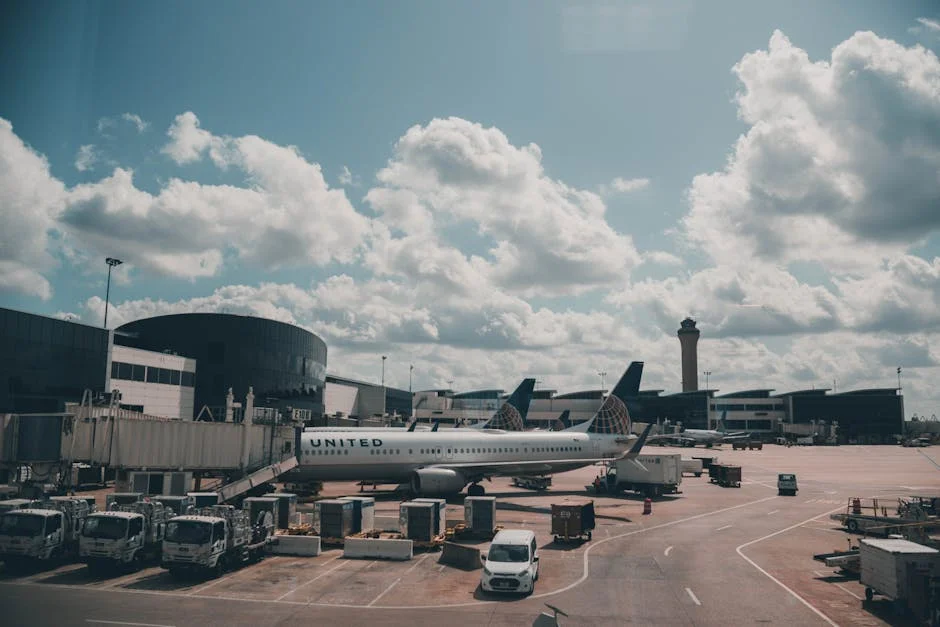
Passengers reported long wait times and last-minute gate changes. The chaos affected both domestic and international routes, with some long-haul flights from Europe and the Middle East experiencing delays of over four hours. This disruption underscores the critical role of weather patterns in aviation efficiency.
Local authorities have deployed additional ground staff to manage the influx of diverted passengers. However, the sheer volume of arrivals has strained hotel and transport capacities in the National Capital Region. Businesses relying on just-in-time deliveries face potential bottlenecks as cargo flights are delayed.
Economic Impacts on Regional Markets

The aviation sector in India contributes significantly to the country’s GDP, accounting for approximately 6% of total economic output. Disruptions at a major hub like Delhi can have cascading effects on related industries, including hospitality, logistics, and retail. Market analysts are closely monitoring the situation for signs of broader economic strain.
Flight diversions increase operational costs for airlines, which must cover fuel, landing fees, and passenger accommodations. These costs may be passed on to consumers through higher ticket prices or increased baggage fees. For investors, this represents a short-term headwind for aviation stocks in the region.
Supply chain logistics are also under pressure. Many companies use air freight for time-sensitive goods, particularly in the electronics and pharmaceutical sectors. Delays in Delhi can disrupt distribution networks across South Asia, potentially affecting inventory levels and sales figures for multinational corporations.
Investor Sentiment and Market Reactions
Stock markets in Mumbai and Delhi showed mild volatility in response to the news. Aviation stocks saw a slight dip, while logistics companies experienced mixed reactions depending on their exposure to the Delhi hub. Investors are watching for further updates on flight schedules and potential compensation claims.
Foreign investors are also considering the broader implications for India’s infrastructure resilience. The incident raises questions about the capacity of major airports to handle extreme weather events, which are becoming more frequent due to climate change. This could influence future investment decisions in the aviation and logistics sectors.
Business Travel and Corporate Operations
Corporate travel is a significant component of business operations in India. Delays in Delhi can disrupt meetings, negotiations, and project timelines for companies across various industries. Business travelers may face additional costs for extended stays and last-minute accommodations.
Many multinational corporations have started to factor in weather-related risks when planning their travel schedules. This includes booking flexible tickets and choosing alternative airports when possible. Companies are also investing in virtual meeting technologies to reduce dependency on physical travel.
The disruption highlights the need for better contingency planning in corporate travel management. Businesses that fail to adapt to these challenges may face higher operational costs and reduced productivity. This trend is likely to accelerate as weather patterns become more unpredictable.
Infrastructure Challenges and Future Planning
The Indira Gandhi International Airport is one of the busiest in India, handling over 70 million passengers annually. The recent disruptions expose weaknesses in the airport’s ability to cope with extreme weather. This includes issues with drainage systems, runway maintenance, and air traffic control coordination.
Government officials have acknowledged the need for infrastructure upgrades to enhance resilience. Plans include expanding runway capacity, improving drainage networks, and investing in advanced weather forecasting technologies. These improvements are crucial for maintaining India’s competitiveness as a global aviation hub.
Private sector involvement is also being considered to accelerate infrastructure development. Public-private partnerships could bring in additional capital and expertise to modernize airport facilities. This approach has been successful in other sectors, such as roads and power generation.
Climate Change and Weather Patterns
Climate change is a growing concern for the aviation industry globally. Rising temperatures and increased frequency of extreme weather events pose significant challenges to airport operations. In India, monsoon patterns are becoming more erratic, leading to unexpected heavy rainfall and thunderstorms.
The recent disruptions in Delhi are a microcosm of broader trends affecting the region. Other major airports, such as those in Mumbai and Bangalore, are also experiencing similar challenges. This requires a coordinated response from government agencies, airlines, and infrastructure developers.
Adaptation strategies include investing in climate-resilient infrastructure and improving weather forecasting accuracy. Airlines are also exploring alternative routes and scheduling adjustments to minimize the impact of weather disruptions. These measures are essential for ensuring the long-term sustainability of the aviation sector.
Regional Implications for Singapore
While the immediate impact of the Delhi airport chaos is localized, there are broader implications for regional markets, including Singapore. Singapore is a major aviation hub and a key financial center for Asia. Disruptions in India can affect trade flows, investment patterns, and travel connectivity in the region.
Singaporean businesses with strong ties to India may face operational challenges due to flight delays and supply chain disruptions. This includes companies in the technology, manufacturing, and service sectors. Investors in Singapore are monitoring the situation for potential impacts on their portfolios.
The weather today impact on SG is indirect but noticeable. As a global hub, Singapore’s economy is sensitive to disruptions in key trading partners. Any prolonged instability in India could affect consumer confidence and business sentiment in Singapore. This highlights the interconnected nature of the Asian economy.
Looking Ahead: What to Watch
Stakeholders should monitor the duration of the weather disruptions and the response of airport authorities. The efficiency of recovery efforts will provide insights into the resilience of India’s aviation infrastructure. Investors should watch for updates on airline earnings and logistics costs in the coming weeks.
Policy decisions regarding infrastructure upgrades and climate adaptation will also be critical. Government announcements on funding and partnerships could influence market sentiment. Businesses should continue to assess their exposure to weather-related risks and adjust their strategies accordingly.
The next few days will be crucial in determining the extent of the economic impact. Continued monitoring of flight schedules, stock market reactions, and supply chain updates will provide a clearer picture. Proactive planning and adaptive strategies will be essential for navigating these challenges.
See Also
- ASEAN Defence Ministers Affirm Commitment to Trade — Markets Brace for Impact
- India's 47.6°C Heatwave Triggers Supply Chain Shock for Singapore
Public-private partnerships could bring in additional capital and expertise to modernize airport facilities. Climate Change and Weather Patterns Climate change is a growing concern for the aviation industry globally.
What is the latest news about delhi airport chaos triggers flight diversions?
Why does this matter for infrastructure-cities?
What are the key facts about delhi airport chaos triggers flight diversions?