
Nepal is advancing a diplomatic initiative to bring India and China together to address shared climate threats in the Himalayas. The proposal seeks to unite the two regional giants in a coordinated effort to manage environmental risks that affect the entire region. This move highlights Kathmandu’s strategic role in a geopolitical landscape often defined by rivalry.
Nepal’s Diplomatic Push for Regional Climate Cooperation
Nepal is positioning itself as a bridge between India and China, two neighbours with a complex relationship. The core of the proposal is a unified approach to climate change, specifically focusing on the Himalayan region. Both countries face similar environmental challenges, including glacial melt and changing precipitation patterns. Nepal argues that a joint response would be more effective than isolated national efforts.
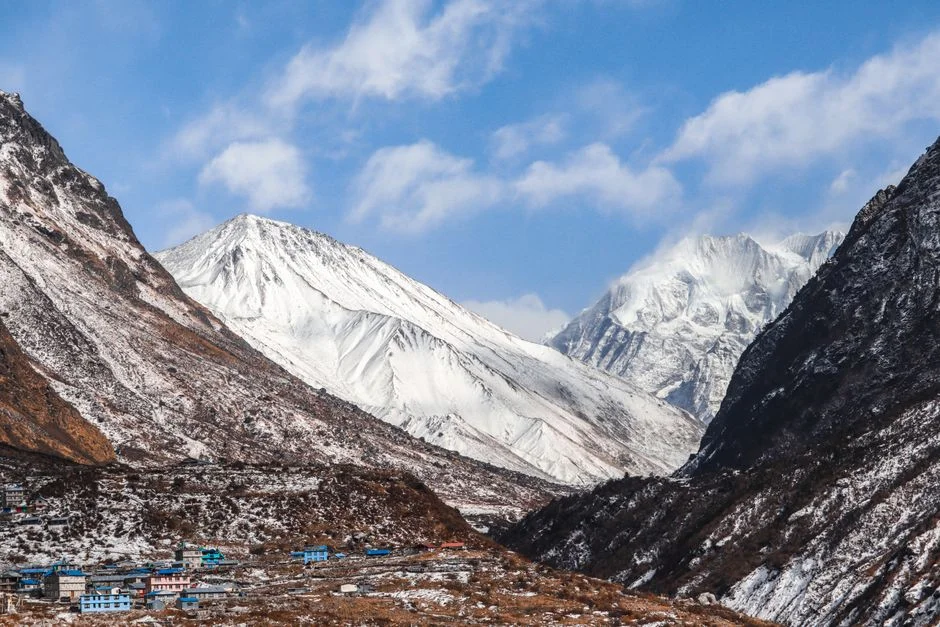
The initiative underscores the growing importance of environmental security in South Asian diplomacy. Climate change is not just an ecological issue but a matter of economic stability and national security. For Nepal, the Himalayas are a critical resource, providing water to millions of people downstream. The health of these glaciers directly impacts agriculture, hydropower, and water supply in both India and China.
India and China have a history of border disputes and strategic competition. However, they share a long border and common environmental vulnerabilities. Nepal’s proposal suggests that climate change could serve as a neutral ground for cooperation. By focusing on a shared threat, the two nations might find common ground beyond their political differences. This approach aligns with broader trends in Asian diplomacy, where environmental issues are increasingly used as a tool for engagement.
The proposal also reflects Nepal’s desire to enhance its geopolitical relevance. By hosting or facilitating dialogue between two major powers, Kathmandu can secure greater attention and resources. Climate finance and technology transfer are key components of this strategy. Nepal aims to leverage its unique position to attract investment for climate adaptation projects. This could include infrastructure for disaster resilience and renewable energy development.
Regional observers note that climate cooperation could have broader implications. A successful alliance between India and China on environmental issues might set a precedent for other areas of collaboration. It could also influence how other countries in the region engage with climate diplomacy. The Himalayas are often referred to as the "Third Pole" due to their vast ice reserves. Protecting these reserves is crucial for global climate stability.
The initiative is still in its early stages, but it signals a shift in regional dynamics. Nepal is actively seeking to frame climate change as a unifying force. This approach contrasts with the traditional focus on military and economic competition. By highlighting shared vulnerabilities, Nepal hopes to foster a spirit of cooperation. The success of this initiative will depend on the willingness of India and China to engage.
For Singapore and the broader Asian region, this development is relevant. The Himalayas play a crucial role in the monsoon patterns that affect agriculture and water security across South and Southeast Asia. Changes in the Himalayan environment can have ripple effects on supply chains and food production. Understanding the dynamics between India, China, and Nepal is essential for assessing regional climate risks.
The proposal also aligns with global efforts to address climate change. International climate finance mechanisms are increasingly focused on adaptation in vulnerable regions. Nepal’s initiative could attract support from global partners who are keen on stabilizing the region. This could lead to increased investment in climate-resilient infrastructure and technology.
As the proposal moves forward, the focus will be on concrete actions. Nepal will likely seek to organize high-level dialogues or joint working groups. These platforms could facilitate the exchange of data and best practices between India and China. The outcome of these discussions will determine whether the initiative translates into tangible cooperation.
Looking ahead, the coming months will be critical. Nepal is expected to present the proposal to key stakeholders in New Delhi and Beijing. The response from these capitals will indicate the level of interest and willingness to collaborate. If successful, this could mark a new chapter in Himalayan diplomacy, where climate change serves as a catalyst for unity.
See Also


- Nigeria Faces Liquidity Crunch as 27 Nations Queue for World Bank Cash
- South Korea Ruling Party Wins Most Local Seats — But Faces Losing Seoul
By highlighting shared vulnerabilities, Nepal hopes to foster a spirit of cooperation. Nepal is expected to present the proposal to key stakeholders in New Delhi and Beijing.
What is the latest news about nepal proposes climate alliance to unite india and china?
Why does this matter for environment-nature?
What are the key facts about nepal proposes climate alliance to unite india and china?