Flood-hit families in Gyirong County are searching for missing relatives while Beijing maintains a strict information blackout, leaving the broader Himalayan border region in uncertainty. The sudden deluge in this critical trade corridor has exposed vulnerabilities in cross-border logistics that connect Tibet to Nepal and, by extension, to wider Asian supply chains.
Immediate Facts and the Logistics Bottleneck
Heavy monsoon rains triggered landslides and flash floods in Gyirong County, a strategic border district in the Tibet Autonomous Region. The event has disrupted the Gyirong Port, one of the few land crossing points between China and Nepal. This port serves as a vital artery for goods moving between the two nations, and its temporary closure or reduced capacity sends immediate ripples through regional trade networks.

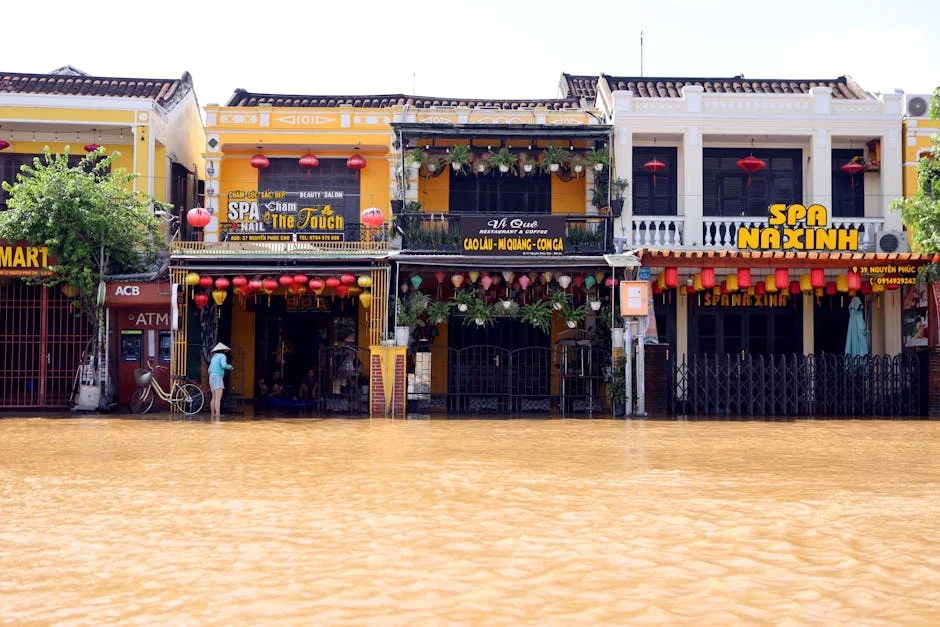
Reports indicate that residential areas and infrastructure in the county were severely damaged. Local residents describe a scene of chaos as families scramble to locate missing members amidst the debris. The lack of real-time updates from Chinese authorities has compounded the anxiety. This silence is not merely a communication gap; it is a strategic choice that affects how international partners and neighboring countries assess the severity of the disaster.
The disruption at Gyirong Port is particularly sensitive because it sits at the heart of the China-Nepal trade route. Goods ranging from textiles to electronics pass through this checkpoint. When the port slows down, inventory buffers for businesses in Kathmandu and beyond shrink rapidly. For Singapore, which acts as a key hub for re-exporting goods to Southeast Asia and beyond, any friction in this north-south corridor can alter routing decisions and cost structures.
Logistics companies operating in the region are now facing a dilemma. Do they reroute goods through other ports, such as Rasuwagadhi or Kodari, which may already be at capacity? Or do they wait for the Gyirong crossing to reopen, risking further delays? The decision depends on the extent of the damage to the roads leading to the port. Landslides often block these access roads for weeks, turning a temporary border closure into a prolonged supply chain bottleneck.
The human cost is rising alongside the logistical challenges. Families in Gyirong are grappling with the loss of homes and livelihoods. The absence of detailed official data makes it difficult for international aid organizations to plan their response. This uncertainty is a recurring theme in disaster management in remote Himalayan regions. The silence from Beijing is often interpreted as a desire to control the narrative, but it leaves local communities to fend for themselves in the immediate aftermath.
For observers in Singapore, the situation in Gyirong is a reminder of how fragile cross-border trade can be. A single landslide can halt the flow of goods between two major economies. The port’s status today will determine the cost of imports for Nepalese manufacturers and exporters in the coming months. Any delay translates directly into higher prices and reduced competitiveness for goods that eventually reach global markets.
Background and the Geopolitical Context

Gyirong County is more than just a border town; it is a symbol of China’s growing influence in the Himalayas. The region has been a focal point for Beijing’s efforts to integrate Tibet’s economy with the rest of China and with neighboring countries. The construction of the Gyirong Port was part of a broader strategy to boost trade and strengthen diplomatic ties with Nepal. The port was designed to handle significant volumes of cargo, reducing reliance on older, more congested crossings.
The current flood is not an isolated incident. The Himalayan region is increasingly vulnerable to extreme weather events due to climate change. Glacial lakes are expanding, and rainfall patterns are becoming more erratic. These environmental changes pose a long-term threat to infrastructure and trade routes. The Gyirong flood highlights the need for resilient infrastructure that can withstand such shocks. Without such resilience, the region’s economic potential remains at risk.
The silence from Beijing is also a reflection of the political sensitivity of the region. Tibet is a key area for China’s domestic stability and its geopolitical ambitions. Information control is a priority, especially during disasters that could reveal weaknesses in governance. The government’s decision to limit the flow of information is consistent with its broader approach to managing public perception. However, this approach can delay international assistance and complicate coordination with neighboring countries.
For Singapore, the situation in Gyirong underscores the importance of diversified supply chains. Relying on a single route for critical goods is risky. The flood serves as a case study in how local events can have global repercussions. Singapore’s role as a trade hub means that any disruption in major trade corridors affects its own logistics ecosystem. Companies in Singapore must be agile enough to adapt to such disruptions quickly.
The geopolitical implications are also significant. China’s relationship with Nepal is crucial for its access to the Indian Ocean and its influence in South Asia. A stable trade route through Gyirong strengthens this relationship. Conversely, a prolonged disruption could weaken China’s leverage and provide an opportunity for other powers, such as India or the United States, to increase their presence in the region. The flood, therefore, is not just a humanitarian crisis; it is a test of China’s regional clout.
Understanding why Gyirong County matters requires looking at the broader context of Asian trade. The region is a gateway between the world’s two most populous countries, China and India. Goods moving between these economies often pass through Nepal. The efficiency of the Gyirong Port directly impacts the cost and speed of this trade. Any inefficiency here affects the competitiveness of goods in the broader Asian market.
The environmental update for the region is also crucial. The frequency and intensity of floods are increasing. This trend is expected to continue as global temperatures rise. Infrastructure investments in the Himalayas must account for this reality. The current damage in Gyirong is a warning sign that past infrastructure designs may not be adequate for future conditions. Singapore, with its expertise in urban resilience and smart infrastructure, could play a role in helping the region adapt to these challenges.
Broader Implications and What to Watch Next
The disruption at Gyirong Port will have lasting effects on regional trade. Businesses will need to reassess their supply chain strategies. Diversification of routes and increased inventory buffers will become more important. This shift will increase costs in the short term but may enhance resilience in the long term. For Singapore, this means a higher demand for logistics services that offer flexibility and speed.
The silence from Beijing will also shape how international partners engage with the region. Aid organizations and neighboring governments may adopt a more cautious approach to information sharing. This could lead to a more fragmented response to future disasters. The lack of transparency makes it harder to coordinate efforts and allocate resources effectively. Singapore, as a neutral and trusted partner, could step in to facilitate better communication and coordination.
The impact on local communities in Gyirong will be profound. Families who lost their homes and livelihoods will need significant support to recover. The lack of detailed information makes it difficult to assess the full extent of the damage. This uncertainty will prolong the recovery process. International aid will be crucial, but its delivery depends on the availability of accurate data and the cooperation of local authorities.
For Singapore, the Gyirong flood is a reminder of the interconnectedness of global trade. A local disaster in the Himalayas can have global ripple effects. The region’s stability and efficiency are vital for the smooth flow of goods. Singapore’s role as a logistics hub means that it must be prepared for such disruptions. Building resilience into supply chains is no longer optional; it is a competitive necessity.
Looking ahead, the reopening of Gyirong Port will be a key indicator of the disaster’s severity. If the port reopens quickly, the impact on trade will be limited. If it remains closed for weeks, the consequences will be more severe. International observers will be watching for signs of a coordinated response from Beijing. The speed and transparency of the recovery efforts will reflect on China’s governance and its commitment to regional stability.
Finally, the environmental dimension of the Gyirong flood should not be overlooked. Climate change is making the Himalayas more unpredictable. Infrastructure investments must be guided by long-term climate projections. Singapore’s experience in managing urban resilience could be valuable in this context. The region needs innovative solutions to protect its people and its economy from future shocks. The Gyirong flood is a wake-up call for the entire Himalayan region.
See Also
- World Fertility Hits Record Low — And the Economic Alarm Bells Are Ringing
- China's New Reusable Rocket Takes Direct Aim at SpaceX's Commercial Dominance