Leaders from the Association of Southeast Asian Nations met their Russian counterparts in Kazan this week, issuing a joint statement that reaffirmed commitments to expand economic and trade cooperation despite ongoing geopolitical headwinds. The summit, hosted at the Kazan Expo international venue, brought together senior officials from across ASEAN's ten member states alongside Russia's deputy prime ministers and trade ministers.
Summit Produces Economic Roadmap
The gathering produced a framework document outlining expanded cooperation in energy, agriculture, and infrastructure development. Russian officials presented data showing two-way trade with ASEAN nations reached $28 billion in the previous calendar year, a figure both sides expressed ambition to grow substantially over the next five years. The joint statement called for removing barriers to investment in sectors including liquefied natural gas, fertiliser production, and port logistics.
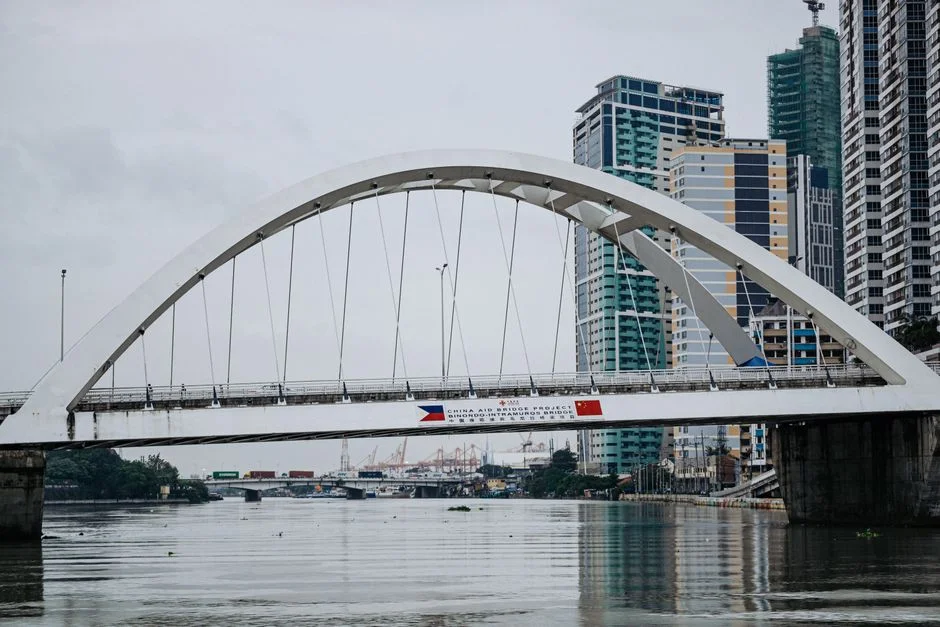
Analysts noted the timing carries weight for regional markets. Singapore-based commodity traders have maintained significant positions in Russian energy exports since 2022, adapting to new payment mechanisms and routing arrangements. The summit's emphasis on infrastructure connectivity signals both sides recognise the economic imperative of sustaining these commercial flows.
Payment Systems and Trade Financing

A key obstacle discussed in Kazan involved the mechanics of cross-border payments. Western sanctions have complicated dollar-denominated transactions, prompting Russian and ASEAN banks to develop alternative settlement channels. Officials confirmed pilot programmes using national currencies are operational between Russia and three ASEAN members, with negotiations underway to expand coverage.
For Singapore's financial institutions, this represents both a challenge and an opportunity. The city-state's banks have navigated evolving compliance requirements while maintaining facilitation roles for legitimate trade. The Monetary Authority of Singapore has issued guidance noting that transactions complying with applicable sanctions regimes remain permissible.
Commodity Flows and Singapore's Role
Singapore's position as a hub for commodity trading means any shift in Russia-ASEAN trade patterns carries direct consequences for local businesses. Russian aluminium, nickel, and wheat shipments flow through networks involving Singapore-registered trading houses and financing arrangements structured through the city. The summit's infrastructure pledges could reshape competitive dynamics in these commodity chains.
Energy cooperation featured prominently in the summit's economic agenda. Russia proposed joint ventures in LNG terminal construction across Southeast Asia, competing with Australian and American suppliers for market share in a region where demand grows steadily. Kazakhstan, which holds observer status in ASEAN, expressed interest in serving as a transit corridor for Russian exports heading south.
Sanctions Environment Shapes Deal-Making
Compliance considerations loomed over the summit's commercial discussions. Companies considering new ventures with Russian partners must navigate a complex sanctions landscape that tightens periodically. Singapore's Ministry of Trade and Industry has emphasised that businesses must conduct thorough due diligence and maintain robust compliance programmes.
The summit did not produce binding commercial agreements. Instead, officials established working groups tasked with developing specific proposals for consideration at future meetings. This incremental approach reflects both sides' recognition that concrete deals require extensive private-sector involvement and regulatory clearance.
Regional Geopolitical Context
Russia has deepened engagement with Asian partners as its traditional European markets contracted following the 2022 invasion of Ukraine. ASEAN nations have generally maintained neutrality, refusing to join Western sanctions while continuing normal trade relations. This balanced approach creates space for commercial cooperation without direct political alignment.
The summit venue itself carried symbolic weight. Kazan, the capital of Russia's Republic of Tatarstan, represents an effort to showcase Russian economic potential beyond Moscow and St. Petersburg. The city's industrial base includes aerospace manufacturing and petrochemical processing, sectors where Russian officials see opportunities for ASEAN investment.
Market Implications for Regional Players
Investors tracking ASEAN-Russia dynamics should monitor several indicators. Payment infrastructure development will determine whether trade growth ambitions translate into actual volume increases. Regulatory clarity in ASEAN jurisdictions will shape which companies can participate viably. Commodity price movements will affect the economics of proposed joint ventures.
Singapore's Economic Development Board has historically supported companies exploring diversified market opportunities while emphasising compliance requirements. Industry observers expect the city-state's trade agencies to issue updated guidance following the summit's outcomes.
What Comes Next
The working groups established in Kazan are expected to deliver preliminary reports within six months. A follow-up ministerial meeting is tentatively scheduled for the second quarter of next year, likely in a Southeast Asian capital. Businesses considering Russia-related opportunities should prepare compliance frameworks now, given the lead time required for structured entry into new markets.
The trajectory of ASEAN-Russia economic relations will ultimately depend on whether political commitments produce measurable commercial results. The summit demonstrated mutual interest, but investors await concrete deals that demonstrate viability under current constraints. Watching the next round of working group recommendations will reveal whether ambitions expressed in Kazan translate into actionable investment opportunities.
See Also
- Hegseth Warns Asia Allies to Boost Defence as US Stays Committed
- ONU Firing Exposes Global Workplace Risks for Investors
This incremental approach reflects both sides' recognition that concrete deals require extensive private-sector involvement and regulatory clearance.Regional Geopolitical ContextRussia has deepened engagement with Asian partners as its traditional European markets contracted following the 2022 invasion of Ukraine. The city's industrial base includes aerospace manufacturing and petrochemical processing, sectors where Russian officials see opportunities for ASEAN investment.Market Implications for Regional PlayersInvestors tracking ASEAN-Russia dynamics should monitor several indicators.