U.S. Secretary of State Marco Rubio has arrived in Kolkata to launch a pivotal four-day diplomatic tour of India. This high-profile visit signals a strategic deepening of economic ties between Washington and New Delhi. Singaporean investors are watching closely as these geopolitical shifts reshape regional supply chains.
Strategic Pivot in South Asian Trade
The timing of Rubio’s arrival in Kolkata is not merely ceremonial. It coincides with critical negotiations on semiconductor partnerships and defense procurement. These sectors represent billions of dollars in potential revenue for allied nations. Singapore, as a key hub for Asian logistics and finance, stands to gain from increased trade fluidity.

Markets in Singapore reacted positively to the news. The Singapore Exchange saw a modest uptick in tech and logistics stocks. Investors are pricing in the likelihood of reduced tariffs on Indian goods entering the U.S. market. This reduction could lower costs for Singaporean firms that source components from India.
Impact on Singaporean Supply Chains


Singapore’s economy is highly exposed to the volatility of South Asian trade flows. A stronger U.S.-India alliance often leads to a more stable regional currency environment. This stability benefits Singaporean exporters who rely on predictable exchange rates. The Indian rupee’s performance against the U.S. dollar will be a key metric to watch.
Many Singapore-based multinationals use India as a manufacturing base. These companies include major players in electronics and pharmaceuticals. Any friction in U.S.-India relations can disrupt their just-in-time delivery models. Rubio’s visit aims to smooth out these potential frictions through high-level diplomatic engagement.
Logistics and Port Activity
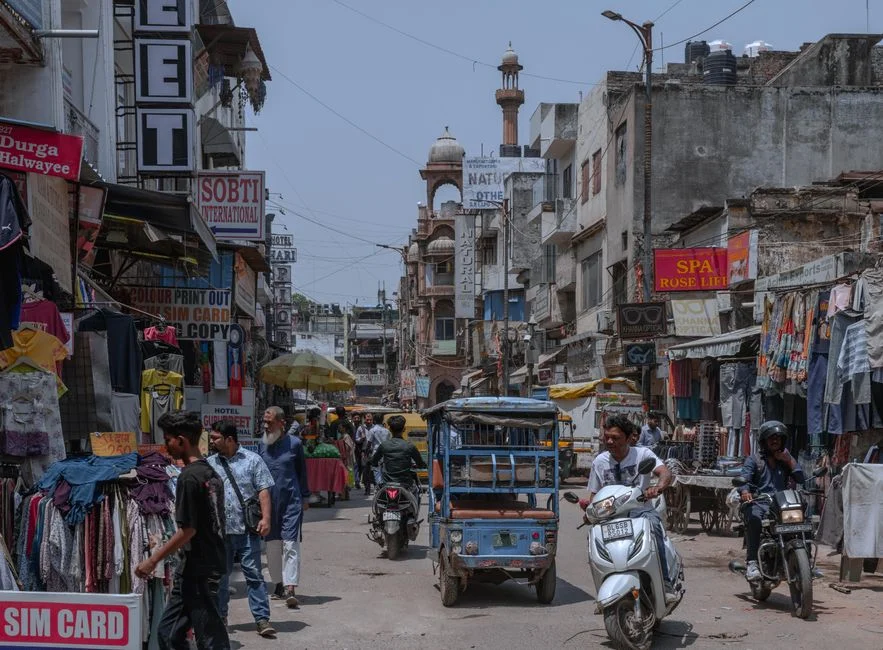
Kolkata serves as a critical gateway to eastern India. Increased trade volume with the U.S. will likely boost activity at the Port of Kolkata. Singaporean shipping giants like Neptune Orient Lines may see higher freight rates. This surge in demand could translate into stronger quarterly earnings reports for these logistics firms.
The infrastructure development in Kolkata is accelerating to meet this demand. New warehousing facilities and digital customs systems are being deployed. These improvements reduce the lead time for goods moving between India and global markets. Singaporean investors have already begun acquiring stakes in these logistics assets.
Investment Flows and Capital Markets
Capital flows from the U.S. to India are expected to accelerate following this visit. Singapore is a primary conduit for foreign direct investment entering South Asia. This role positions Singaporean financial institutions as key beneficiaries. Banks and asset managers in the city-state will see increased transaction volumes.
The Indian government has introduced new incentives for foreign investors. These policies target high-growth sectors such as renewable energy and digital infrastructure. Singaporean venture capital firms are actively scouting for opportunities in these areas. The regulatory clarity provided by U.S. support enhances the attractiveness of these investments.
Analysts predict a rise in cross-border mergers and acquisitions. Singaporean companies may look to acquire Indian startups to gain market share. This trend is already visible in the fintech and e-commerce sectors. The strategic alignment between Washington and New Delhi reduces political risk for these deals.
Technology and Semiconductor Cooperation
Semiconductors are at the heart of the U.S.-India economic partnership. Both nations seek to reduce dependence on Asian manufacturing hubs like China. Singapore plays a crucial role in this supply chain as a testing and packaging center. The collaboration aims to create a more resilient global chip ecosystem.
Rubio’s discussions in Kolkata will likely focus on joint ventures in chip manufacturing. These ventures could involve Singaporean firms that specialize in advanced packaging technologies. The integration of these technologies can improve the efficiency of the supply chain. This efficiency gain is vital for maintaining competitive pricing in the global market.
The technology sector in Singapore is well-positioned to capitalize on this trend. Local firms have established strong R&D centers in India. The diplomatic support from Washington will help secure long-term contracts for these firms. This security allows for greater investment in innovation and workforce development.
Energy Security and Green Transition
Energy cooperation is another critical component of the bilateral relationship. India is rapidly expanding its renewable energy capacity to meet growing demand. The U.S. is providing financial and technological support for this transition. Singaporean energy firms are active participants in India’s green energy projects.
Singapore’s energy strategy also relies on diversification of sources. Closer ties with India can enhance Singapore’s access to liquefied natural gas and solar technology. This diversification helps stabilize energy prices in the city-state. Stable energy costs are essential for maintaining competitiveness in manufacturing and services.
The environmental update from this visit highlights commitments to carbon reduction. These commitments may lead to new green bonds issued in Singapore. Investors in Singapore are increasingly looking for sustainable investment opportunities. The alignment of U.S. and Indian climate goals creates a favorable environment for green finance.
Business Confidence and Consumer Sentiment
Business confidence in Singapore is closely linked to global economic stability. Positive developments in U.S.-India relations contribute to this stability. Companies are more likely to invest and hire when the geopolitical outlook is bright. This confidence translates into stronger consumer spending and economic growth.
Consumer sentiment in Singapore is also influenced by inflation trends. Trade agreements that lower import prices can help curb inflation. The potential reduction in tariffs on Indian goods could lower costs for everyday items. This price relief would be welcomed by Singaporean households facing rising living costs.
Corporate leaders in Singapore are optimistic about the visit. They see it as a catalyst for long-term economic integration. This optimism is reflected in recent earnings guidance from major corporations. Companies are raising their revenue forecasts based on the expected boost in trade volumes.
Regional Geopolitical Dynamics
The U.S.-India partnership has broader implications for Southeast Asia. It helps to balance the economic influence of neighboring powers. Singapore benefits from a multipolar regional order that encourages trade and investment. This balance reduces the risk of economic fragmentation in the Asia-Pacific region.
Other ASEAN nations are also watching these developments. They seek to replicate the success of the U.S.-India trade relationship. Singapore can act as a model for integrating into these new economic corridors. The city-state’s experience in managing diverse trade relationships is valuable to its neighbors.
The diplomatic engagement in Kolkata sets the stage for future summits. These summits will address broader issues such as digital trade and intellectual property rights. Singapore’s proactive approach to these issues will help shape regional standards. This leadership role enhances Singapore’s influence in global economic governance.
What to Watch Next
Investors should monitor the official joint statements released after Rubio’s meetings. These documents will outline specific commitments and timelines for implementation. The market will react to any announcements regarding tariff reductions or new investment zones. These details will provide clarity on the immediate economic benefits.
The next key event is the follow-up ministerial meeting in New Delhi. This meeting will focus on operationalizing the agreements made in Kolkata. Singaporean firms should prepare for increased bidding opportunities in the coming months. Staying informed about these developments is crucial for strategic planning.
Watch for changes in the Indian rupee’s exchange rate against the Singapore dollar. Currency fluctuations can significantly impact profit margins for exporters. Additionally, monitor the performance of Singaporean logistics and tech stocks. These sectors are likely to show early signs of the economic impact of this diplomatic visit.
See Also
- Singapore Food Output Shifts: Eggs Dip as Veggies Rise
- Jyothi Vennam and Dhiraj Bommadevara Eye Asian Games Glory Amid Market Optimism
This optimism is reflected in recent earnings guidance from major corporations. Currency fluctuations can significantly impact profit margins for exporters.