Singapore has sent formal condolences to Timor-Leste following the death of former president and independence leader Xanana Gusmão, who helped forge the foundations of the Southeast Asian nation's modern state. President Tharman Shanmugaratnam conveyed Singapore's sympathies in a letter addressed to his Timorese counterpart, acknowledging Gusmão's foundational role in establishing Timor-Leste as an independent nation.
Letter From Singapore's President
President Tharman Shanmugaratnam sent official condolences on behalf of Singapore following the passing of Xanana Gusmão. The communication addressed Timor-Leste's sitting president, expressing grief at the loss of a figure who shaped the nation's trajectory since its founding in 2002. Singapore's Ministry of Foreign Affairs confirmed the message had been transmitted to Dili.
The note from President Tharman recognised Gusmão's decades of service to his people and his contributions to regional peace. Gusmão led Timor-Leste through its most turbulent years as both resistance leader and later as president of a newly independent nation.
A Life Shaped by Independence Struggle


Xanana Gusmão rose to prominence as the commanding general of Falintil, the guerrilla force that resisted Indonesian occupation from 1975 to 1999. He spent years imprisoned by Indonesian authorities before being released in 1999 as part of negotiations following a United Nations-sponsored referendum in which Timorese voters overwhelmingly chose independence.
He went on to serve as Timor-Leste's first president from 2002 to 2012. During his tenure, he championed reconciliation over revenge, famously inviting former enemies to work within his government. His diplomatic approach helped secure international recognition and aid for the young nation, which had emerged from decades of conflict with its institutions and infrastructure in ruins.
Gusmão shared the 1996 Nobel Peace Prize with Carlos Filipe Ximenes Belo, the Roman Catholic bishop who had sheltered Timorese civilians during Indonesian military operations. The award recognised their efforts toward a just and peaceful resolution to the long-running dispute.
Singapore's Investment in Regional Stability
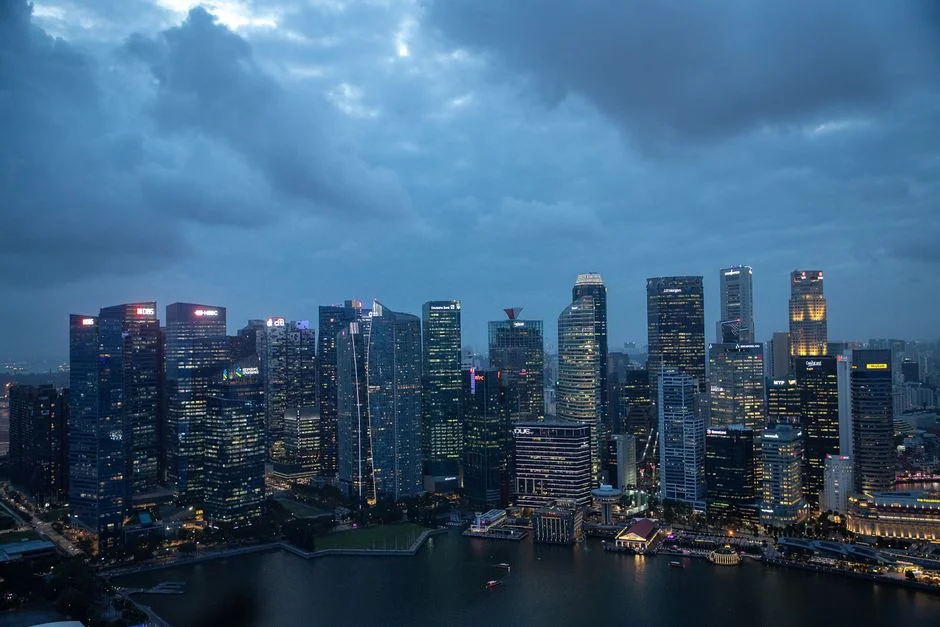
Singapore has maintained diplomatic ties with Timor-Leste since the latter's independence in 2002. The two nations share membership in ASEAN through Timor-Leste's observer status, though full membership negotiations continue. Singaporean companies have explored business opportunities in Timor-Leste's energy sector, where petroleum revenues dominate the economy.
The death of a founding figure creates uncertainty for investors monitoring political continuity. Gusmão remained an influential elder statesman even after leaving office, often mediating during periods of political crisis. His passing removes a stabilising presence that international partners had come to rely upon during moments of domestic tension.
Trade and Investment Ties
Timor-Leste's economy relies heavily on petroleum exports from the Timor Sea, where Singapore-based firms have participated in exploration and services contracts. Non-oil sectors remain underdeveloped, though the government has expressed ambitions to grow agriculture and tourism. The loss of Gusmão's institutional knowledge poses questions about how effectively development plans will proceed under new leadership.
Regional shipping lanes and port operations also connect the two economies, with Singapore serving as a transshipment hub for Timorese trade. Any disruption to political stability could affect these commercial flows.
What Comes Next
Timor-Leste's government has announced national mourning arrangements. The outpouring of tributes from across the region underscores Gusmão's standing as a founding father whose influence extended well beyond his own borders.
Investors and regional partners will watch closely to see how Timor-Leste's institutions manage the transition. The country faces ongoing challenges including poverty reduction, infrastructure development, and the management of petroleum wealth for future generations. How the government addresses these priorities in the absence of Gusmão's unifying presence will shape perceptions among foreign investors and development partners.
See Also
- Trump-Xi Summit Triggers Market Jitters Over Taiwan Arms and Iran
- Jho Low Demands Trump Pardon — Markets Brace for Legal Shock
Singaporean companies have explored business opportunities in Timor-Leste's energy sector, where petroleum revenues dominate the economy.The death of a founding figure creates uncertainty for investors monitoring political continuity. Gusmão remained an influential elder statesman even after leaving office, often mediating during periods of political crisis.
What is the latest news about singapore offers condolences to timorleste after former leader gusmãos death?
Why does this matter for politics-governance?
What are the key facts about singapore offers condolences to timorleste after former leader gusmãos death?