President Donald Trump announced on Thursday that Iran has agreed to hand over its enriched uranium stockpile, a claim that has sent ripples through global markets and geopolitical circles. The statement came as the U.S. president sought to highlight progress in his administration's efforts to curb nuclear proliferation in the Middle East. The announcement, made during a press briefing in Washington, D.C., has sparked both cautious optimism and skepticism among investors and policymakers.
Trump’s Claim and Immediate Market Reactions
The president’s assertion came as a surprise to many, given the long-standing tensions between the U.S. and Iran over nuclear capabilities. While the exact details of the agreement remain unclear, the announcement triggered a brief rally in global stock markets, with the S&P 500 rising 0.7% in early trading. Investors appeared to be reacting to the perceived de-escalation of a potential conflict in the Middle East.
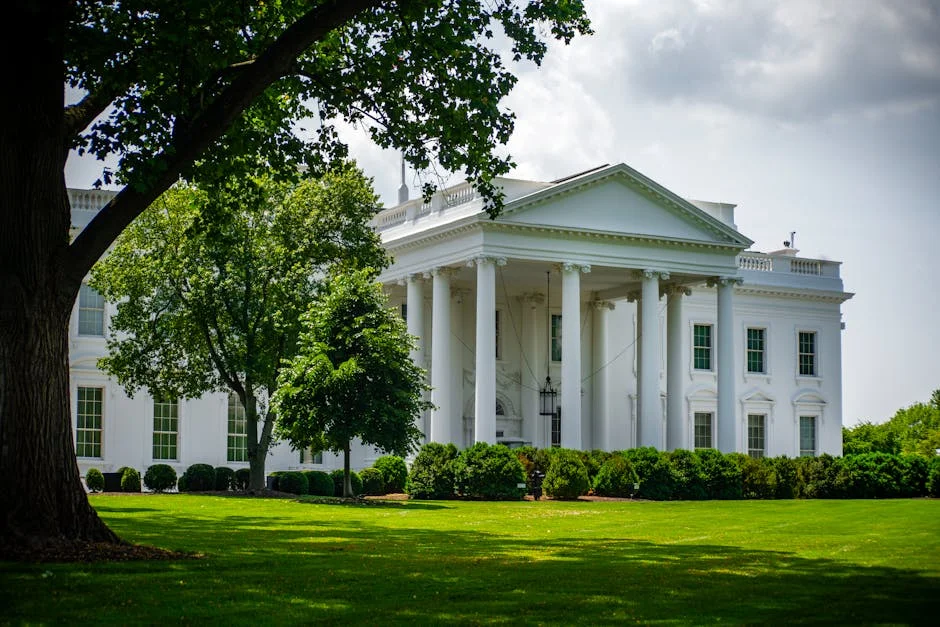
However, the lack of concrete evidence or a formal statement from Iran has raised questions about the validity of the claim. The White House did not provide a timeline or specific terms of the agreement, leaving markets uncertain about the long-term implications. Analysts at JPMorgan warned that the market’s initial optimism could fade if further details remain elusive.
Geopolitical Implications for the Middle East


The Middle East has long been a focal point of nuclear non-proliferation efforts, with Iran’s nuclear program at the center of international disputes. The 2015 Iran nuclear deal, formally known as the Joint Comprehensive Plan of Action (JCPOA), aimed to limit Iran’s nuclear activities in exchange for sanctions relief. Trump’s administration withdrew from the deal in 2018, leading to heightened tensions in the region.
If Iran were to surrender its enriched uranium, it could mark a significant shift in U.S.-Iran relations. However, the absence of a clear mechanism or verification process has led to skepticism. The International Atomic Energy Agency (IAEA) has not confirmed the claim, and Iranian officials have not publicly acknowledged the agreement. This lack of transparency has left many wondering whether the deal is real or a political maneuver.
Impact on Businesses and Investors
The announcement has had a mixed effect on businesses operating in the Middle East. Energy companies, particularly those with operations in the Gulf region, have seen a slight uptick in stock prices, as investors anticipate a reduction in geopolitical risk. However, the uncertainty surrounding the deal has also led to increased volatility in commodity markets, with oil prices fluctuating in response to shifting expectations.
For investors, the situation highlights the importance of monitoring geopolitical developments that could impact global markets. The U.S. dollar, often seen as a safe-haven asset, saw a minor decline against major currencies following the announcement, as traders reassessed risk appetite. Meanwhile, regional businesses, especially those reliant on stable oil prices, remain cautious about the long-term implications of the claim.
Regional Stability and Regional Players
The potential agreement could also affect other Middle Eastern nations, particularly those with close ties to both the U.S. and Iran. Saudi Arabia, for example, has historically been wary of Iran’s nuclear ambitions and has supported U.S. efforts to contain its influence. If the deal holds, it could lead to a more stable regional environment, potentially easing some of the tensions that have driven up energy prices in recent years.
On the other hand, if the claim proves to be unfounded, it could further erode trust in U.S. diplomacy and lead to renewed hostilities. This scenario would likely have a negative impact on trade and investment flows in the region, particularly for companies with operations in key markets like Dubai, Doha, and Tehran.
What to Watch Next
The coming days will be critical in determining the validity of Trump’s claim. The IAEA is expected to issue a statement on the matter, and Iranian officials may provide further clarification. Investors should also pay close attention to any developments in U.S.-Iran relations, as well as the broader geopolitical landscape in the Middle East.
For Singapore-based businesses with exposure to the region, the situation underscores the need for careful risk management. The next major event to watch is the upcoming U.S. Senate vote on potential sanctions against Iran, which could provide further clarity on the administration’s stance.
See Also
- Twitter Exits India — Ad Revenue Shifts to Singapore
- Russia Backs India as Iran Mediator, Testing Market Nerves
For investors, the situation highlights the importance of monitoring geopolitical developments that could impact global markets. This scenario would likely have a negative impact on trade and investment flows in the region, particularly for companies with operations in key markets like Dubai, Doha, and Tehran.