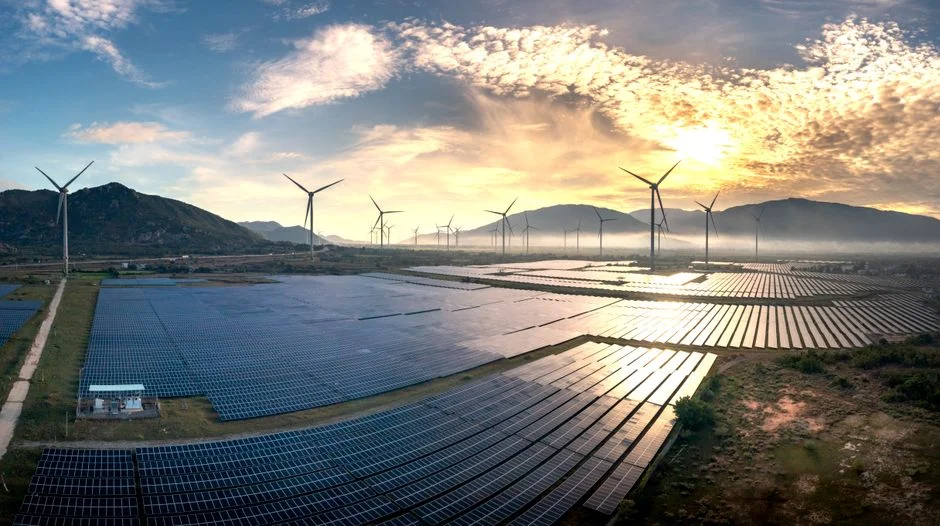
Across Southeast Asia, homeowners are installing solar panels at the fastest pace in years. The surge comes as the Iran conflict disrupts global energy markets, pushing electricity bills higher and forcing households to seek alternatives. In Singapore alone, solar panel inquiries jumped significantly in the first quarter, installers told local media.
Rising Bills Drive Households Toward Solar
Electricity tariffs across the region have climbed steadily since tensions in the Middle East escalated. Natural gas prices, which feed into power generation across Southeast Asia, rose by roughly 30 percent over the past six months, according to regional energy exchanges. For a typical Singapore household, that translates to an extra SGD 40 to 60 on monthly bills.
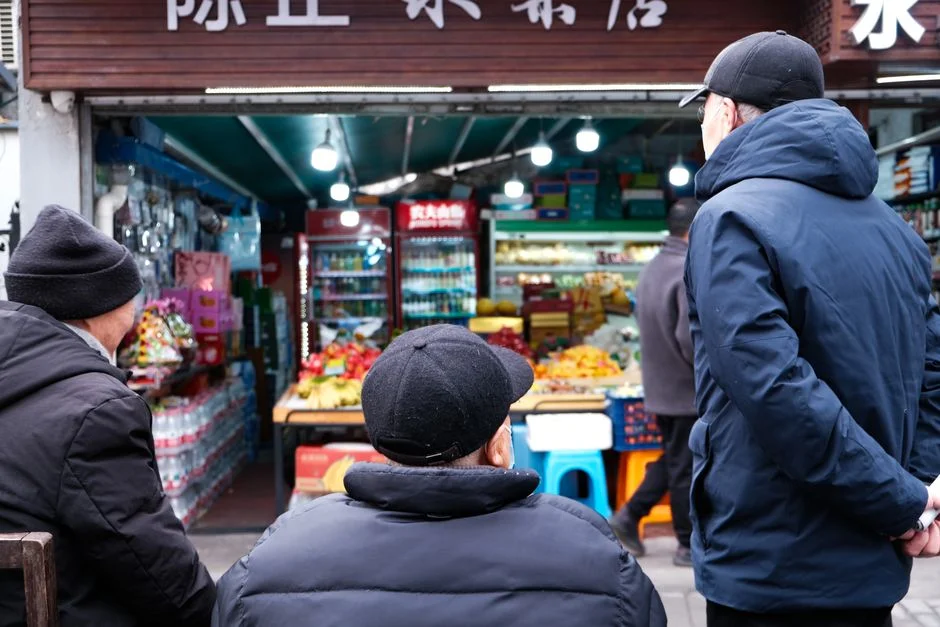
"We were paying SGD 200 before. Now it is closer to SGD 260," said one homeowner in Jurong West who requested anonymity. "The solar quote we got would pay for itself in four years."
The economics have shifted decisively in favour of residential solar. Installation costs have fallen by more than half since 2019, while traditional electricity prices have moved in the opposite direction.
Singapore Leads Regional Adoption Push

The city-state has positioned itself as a regional hub for solar deployment. The Energy Market Authority reported that distributed solar generation capacity reached 652 megawatt-peak as of last year, surpassing earlier targets. The government has set a goal of achieving at least two gigawatt-peak of solar capacity by 2030.
Households can now sell excess solar power back to the grid under the SolarNova programme, creating a small revenue stream that accelerates payback periods. A typical five kilowatt-peak residential system generates enough to offset most daytime electricity usage for a landed property.
Installers Struggle to Keep Up with Demand
Singapore-based solar firms say they are booked solid for months ahead. One major installer, Sunseap Group, told the Business Times that enquiry volumes had doubled compared with the same period last year. The company expanded its installation crews by 25 percent in response.
"We cannot hire fast enough," said a sales manager at a mid-sized solar firm who declined to be named. "Every week there are new leads. The Iran situation made people realise relying on the grid is not as stable as they thought."
Wait times for residential installations now stretch to eight weeks in some areas, up from three weeks six months ago.
Thailand and Vietnam Follow Suit
Singapore is not alone. In Thailand, the Metropolitan Electricity Authority reported a 35 percent increase in solar interconnection applications from residential customers. Vietnam's government relaxed regulations on rooftop solar last year, and installations have continued climbing.
The pattern reflects a broader shift. Indonesia, the region's largest economy, is targeting 23 percent renewable energy by 2025. Malaysia offers net metering schemes that allow homeowners to offset their electricity consumption.
Investment Implications for Clean Energy Stocks
The demand surge is creating winners beyond rooftop installers. Companies manufacturing inverters, batteries, and mounting equipment are seeing tighter supply chains. Shares of First Solar and Enphase Energy have climbed on American exchanges, buoyed partly by strong demand signals from Asian markets.
Regional players are attracting investor attention too. Singapore's Sembcorp Industries and Thailand's B.Grimm Power have both expanded their solar portfolios in recent quarters. Analysts at Maybank noted that distributed generation assets offer stable, long-term returns that appeal to infrastructure funds.
For retail investors, the takeaway is straightforward: energy transition themes remain intact despite broader market volatility. Household solar adoption creates recurring revenue streams for installers through maintenance contracts and monitoring services.
What Comes Next
The pace of adoption will depend heavily on how long energy prices remain elevated. If global oil and gas supplies stabilise, the urgency driving household decisions could ease. However, most analysts expect volatility to persist as Middle East dynamics remain fluid.
Battery storage is emerging as the next frontier. Several Singapore homeowners who installed solar panels two years ago are now adding home battery systems to store excess generation for evening use. This combination could further reduce grid dependence.
Regulatory frameworks are also evolving. The Singapore government is reviewing whether to expand net metering schemes and simplify installation approvals. Those decisions, expected by the third quarter, could accelerate or constrain the residential solar market.
Broader Economic Consequences
The shift carries implications beyond individual household savings. If millions of Southeast Asian homes generate their own electricity, demand for fossil fuel imports could decline. That would reduce the region's exposure to geopolitical shocks originating in the Middle East.
Utility companies face pressure to adapt their business models. Some are launching their own rooftop solar programmes or offering green electricity tariffs to retain customers. The traditional utility revenue model, built on high volumes of kilowatt-hour sales, becomes harder to sustain as self-generation grows.
For now, the momentum favours solar. Homeowners who locked in installations before the waiting times lengthened are already seeing the benefits on their monthly statements. Those still deciding will be watching electricity tariffs closely over the coming months.
See Also
- Nigeria Issues Flood Warnings as 33 States Face Emergency
- Twitter India Policy Head to Exit — and the Timing Could Not Be Worse